
Landscaping
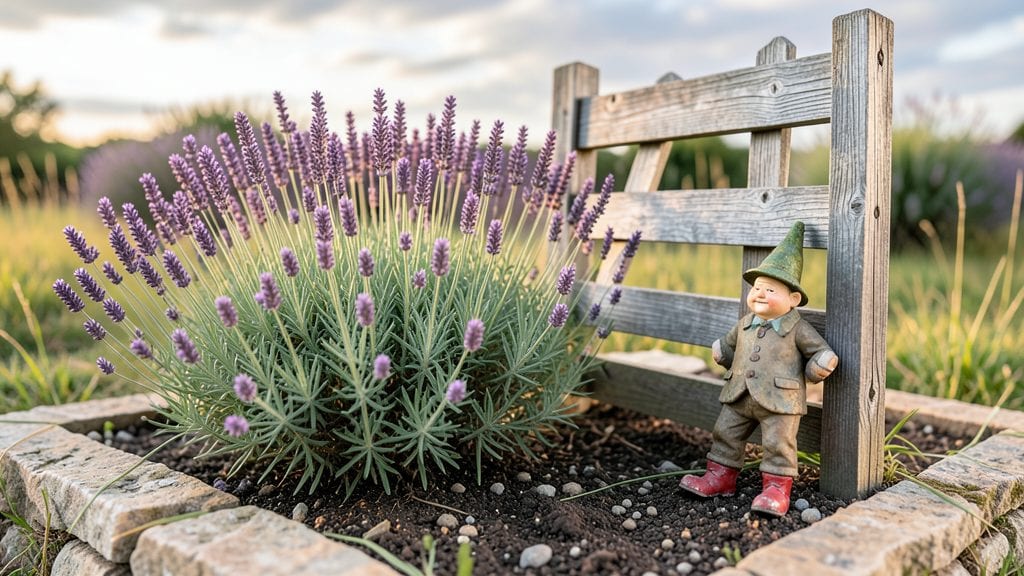
This simple outdoor garden idea proves year-round beauty doesn’t need constant work—just the right mix of plants and smart design. I’ve transformed my own yard into a lush, low-maintenance retreat by focusing on perennials, evergreens, and seasonal blooms that thrive together without fuss.
The key is layering plants that handle heat, cold, and drought while still looking stunning all year.
Think of it like building a living tapestry: evergreen shrubs like boxwood or holly provide structure, while perennials like coneflowers and black-eyed Susans add color. Add a few ornamental grasses for movement and texture, and you’ve got a garden that feels alive year-round.
Best of all, these plants handle neglect—no deadheading, no fussing with wilting blooms, just steady, reliable beauty.
You’ll end up with a space that’s always inviting, whether it’s the deep greens of winter, the bold blooms of summer, or the fiery hues of fall. The best part?
Once established, these gardens require minimal upkeep—just a little pruning and seasonal cleanup. It’s the kind of garden that makes you proud without making you exhausted.
Perfect for small yards, large backyards, or even container gardens on patios. Let’s make your outdoor space a year-round sanctuary that feels like a vacation every time you step outside.
Hidden Factors Behind Plant Struggles
Even the hardiest outdoor plants can falter if key conditions aren’t met. Understanding the why behind common garden challenges helps you create a thriving, low-maintenance space. Here’s what’s really going on beneath the soil—and how to fix it.
Soil isn’t just dirt—it’s a living ecosystem. If it’s compacted, nutrient-poor, or lacks structure, plants suffocate or starve. Clay-heavy soil holds too much water, drowning roots, while sandy soil drains too quickly, depriving plants of moisture and nutrients.
Even "good" soil can degrade over time due to erosion or over-fertilization, leaving plants struggling to access what they need.
Actionable fix:
- Test your soil (DIY kits or local extension offices) to check pH (ideal: 6.0–7.0 for most plants) and texture.
- Amend with organic matter: Mix in 2–3 inches of compost or aged manure to improve drainage and fertility.
- For clay soil: Add coarse sand or perlite to break up compaction.
- For sandy soil: Blend in peat moss or coconut coir to retain moisture.
Pro tip: 💡 Mulch (2–4 inches of wood chips or straw) locks in moisture, regulates temperature, and slowly feeds the soil as it breaks down.
Plants are picky about light—too little, and they stretch weakly (etiolation); too much, and they scorch. Incorrect placement (e.g., shade-loving ferns in full sun) triggers stress, yellowing leaves, or stunted growth. Even seasonal changes (like shorter winter days) can disrupt a plant’s light requirements if you’re not paying attention.
Actionable fix:
- Match plants to zones: Group sun-lovers (e.g., lavender, rosemary) in full sun (6+ hours/day) and shade-tolerant plants (e.g., hostas, ferns) under dappled light or partial shade (3–6 hours/day).
- Observe your space: Use a sun map (track sunlight patterns for a week) to identify hotspots and shaded areas.
- Adjust gradually: If moving plants, acclimate them over 7–10 days to avoid shock.
Pro tip: ✨ For container gardens, rotate pots weekly to ensure even light exposure on all sides.
Overwatering or underwatering are the top killers of outdoor plants. Overwatering suffocates roots by cutting off oxygen (anaerobic conditions), while underwatering causes wilting, crispy edges, or nutrient deficiencies. Even "low-maintenance" plants need consistent moisture—just not soggy soil.
Actionable fix:
- Check soil moisture: Stick your finger 1–2 inches deep. If it’s dry, water; if damp, wait. Use a moisture meter for precision.
- Water deeply but less often: Aim for 1–1.5 inches per week (including rain), delivered slowly to encourage deep root growth.
- Improve drainage: Raise containers on feet, or amend garden beds with perlite/pumice to prevent waterlogging.
- Mulch heavily: Reduces evaporation and keeps roots cool (critical in summer).
Pro tip: 🌡️ Water in the early morning to minimize evaporation and fungal risks.
Chewed leaves, sticky residue, or wilting plants often signal pests—not just bugs, but fungal infections, bacteria, or even soil-borne pathogens. Aphids, spider mites, and slugs thrive in crowded, stressed plants, while root rot (from overwatering) or powdery mildew (from poor airflow) can devastate a garden overnight.
Actionable fix:
- Prevent crowding: Space plants for airflow (follow tag guidelines) to deter fungal diseases.
- Inspect regularly: Check undersides of leaves and stems for eggs, webs, or spots.
- Natural defenses:
- Neem oil spray (for soft-bodied pests like aphids).
- Diatomaceous earth (food-grade) for crawling insects.
- Beer traps (for slugs—bury a shallow dish filled with beer).
- Remove infected plants: Isolate and dispose of (don’t compost) diseased foliage.
Pro tip: 🎯 Attract beneficial insects: Plant marigolds, basil, or dill to lure ladybugs and lacewings, which devour pests.
Sudden temperature swings (like late spring frosts or scorching summer heat) can shock plants into dormancy or stress. Cold-sensitive plants (e.g., citrus, bougainvillea) may drop leaves, while heat-lovers (e.g., succulents, cacti) can sunburn or pucker. Even nighttime temps matter—some plants need cool evenings to thrive.
Actionable fix:
- Know your plant’s hardiness zone (USDA Zone Map) and microclimates in your yard (e.g., south-facing walls trap heat).
- Protect tender plants:
- Frost cloth or row covers for cold snaps.
- Shade cloth (30–50% coverage) for peak summer sun.
- Mulch heavily in winter to insulate roots.
- Group plants by needs: Cluster heat-lovers together and shield them from wind.
Pro tip: 🔥 For container plants, move them to sheltered spots during extreme weather.
Practical fixes for common garden woes
Transforming your outdoor garden from a struggle to a stunning, low-maintenance retreat starts with addressing the root causes of common problems. Below, we’ve mapped out practical, step-by-step solutions for the most frequent garden headaches—plus prevention tips to keep your space thriving year-round. No green thumb required!
Cause: Fast-growing weeds, invasive species, or plants outpacing their space. Fix:
- Prune strategically 🔪: Trim back overgrown foliage in early spring or late fall to encourage bushier growth. Use clean, sharp shears to avoid damaging stems.
- Mulch like a pro 🌡️: Apply a 2–3 inch layer of organic mulch (wood chips, straw, or pine needles) to suppress weeds and retain moisture. Refresh annually.
- Replace problem plants 🌿: Swap out aggressive spreaders (like mint or bamboo) for slow-growing, clumping varieties. Opt for native plants—they’re hardier and require less intervention.
Prevention Tip: 💡 Plan your layout with "thug-proof" spacing! Leave at least 18–24 inches between plants to prevent crowding. Group fast growers together for easier maintenance.
Cause: Poor drainage, clay-heavy soil, or foot traffic compacting the earth. Fix:
- Aerate the soil 🏗️: Rent a core aerator or use a garden fork to poke holes 6–12 inches deep, then top with compost. Do this in early fall or spring.
- Amend with organic matter 🥗: Mix in 2–3 inches of compost, peat moss, or coconut coir to lighten clay soil. For sandy soil, add composted manure or leaf mold.
- Raise beds for problem areas 🏗️: If compaction is severe, consider raised garden beds filled with a mix of topsoil, compost, and perlite for better drainage.
Prevention Tip: ✨ Walk on paths, not plant beds! Use stepping stones or mulched trails to protect soil structure.
Cause: Overwatering, lack of natural predators, or attractive plants (like hostas for slugs). Fix:
- Handpick or hose pests off 💦: For aphids, blast them with a strong stream of water in the morning. For slugs, set out beer traps (bury a shallow dish filled with beer) or use iron phosphate pellets.
- Encourage beneficial bugs 🐞: Plant companion flowers like marigolds, lavender, or alyssum to attract ladybugs and lacewings. Avoid pesticides—they kill good bugs too!
- Protect vulnerable plants 🛡️: Use physical barriers like chicken wire (for deer) or row covers (for cabbage moths). For slugs, create a copper tape barrier around beds.
Prevention Tip: 🎯 Rotate crops and plants annually to disrupt pest life cycles and reduce buildup.
Cause: Inconsistent watering, poor irrigation setup, or soil that doesn’t retain moisture. Fix:
- Upgrade your watering system 💦: Install a drip irrigation system or soaker hoses to deliver water directly to roots. Set timers for 2–3 times per week (early morning is best).
- Group plants by needs 🌿: Cluster drought-tolerant plants (like succulents or lavender) together and water-loving plants (like ferns or hostas) separately.
- Test soil moisture 🌡️: Stick your finger 1–2 inches into the soil—if it’s dry, water; if damp, wait. Overwatering is just as harmful as underwatering!
Prevention Tip: 💡 Mulch heavily (4+ inches) to lock in moisture and reduce evaporation.
Cause: Harsh winters, exposed locations, or tender plants left unprotected. Fix: - Mulch for insulation ❄️: Apply a thick layer (4–6 inches) of straw or shredded leaves around perennials and shrubs to protect roots from freeze-thaw cycles. - Wrap vulnerable plants 🛡️: Use burlap or frost cloth to shield tender stems (like roses or hydrangeas) from wind and frost.
Secure loosely to avoid moisture buildup. - Choose cold-hardy varieties ❄️: Swap out frost-sensitive plants (like citrus or bougainvillea) for hardy alternatives like hellebores, pansies, or Russian sage.
Prevention Tip: 🔥 Plant windbreaks! Tall evergreens (like arborvitae) or shrubs can shield smaller plants from harsh winds.
Cause: Fungal infections, nutrient deficiencies, or physical damage. Fix: - Remove affected plants immediately 🚫: Snip off diseased leaves (don’t compost them!) and dispose of them in the trash.
Sterilize pruners with rubbing alcohol between cuts. - Boost plant health 💪: Fertilize with a balanced, slow-release fertilizer (like 10-10-10) or a compost tea to strengthen roots.
For fungal issues, apply neem oil or copper fungicide. - Improve airflow 🌬️: Thin out dense foliage to reduce humidity and prevent fungal spores from spreading.
Prevention Tip: 🌡️ Water at the base, not overhead, to minimize fungal spores splashing onto leaves.
For instant fixes, keep these go-to tools handy:
- Pruners (for clean cuts)
- Garden gloves (to protect from thorns/pests)
- Compost (the cure-all for most soil issues)
- Spray bottle with soapy water (for quick aphid removal)
With these solutions, your garden will go from "ugh, why is this happening?" to "wow, why didn’t I do this sooner?" 🌟 Start with one fix this week, and watch your outdoor space transform into a low-stress, high-reward sanctuary.
Frequently asked questions
What’s the easiest way to create a low-maintenance outdoor garden?
Start with perennials and evergreens—they come back every year and handle neglect better than annuals. Group plants by water needs (drought-tolerant succulents together, thirsty ferns separately) and use mulch (2-3 inches) to suppress weeds and retain moisture. Add a few ornamental grasses for movement and texture without extra work.
How can I make my small outdoor space look bigger?
Use vertical gardening with trellises or wall-mounted planters to draw eyes upward. Choose light-colored containers and mirrored surfaces to reflect light and create the illusion of depth. Keep pathways clear and use uniform plant heights to avoid visual clutter.
What are the best plants for year-round color?
Combine evergreen shrubs (like boxwood or holly) for structure, perennials (such as coneflowers or black-eyed Susans) for summer blooms, and winter interest plants (like hellebores or ornamental grasses) for texture. Add seasonal bulbs (tulips in spring, dahlias in fall) for pops of color without high maintenance.
Can I create a beautiful garden on a budget?
Start with native plants (they’re cheap and thrive locally). Use free or low-cost materials like rocks, logs, or recycled containers for borders. Shop dormant plants in late winter/early spring when prices drop. Swap cuttings with neighbors or propagate from existing plants to expand your garden without spending.
How do I keep pests away without chemicals?
Plant companion flowers like marigolds or lavender to repel pests naturally. Use physical barriers (copper tape for slugs, row covers for insects) and handpick pests in the morning. Introduce beneficial insects (like ladybugs) by planting dill or alyssum. Keep your garden healthy—stressed plants attract more pests!