
Companion Plants
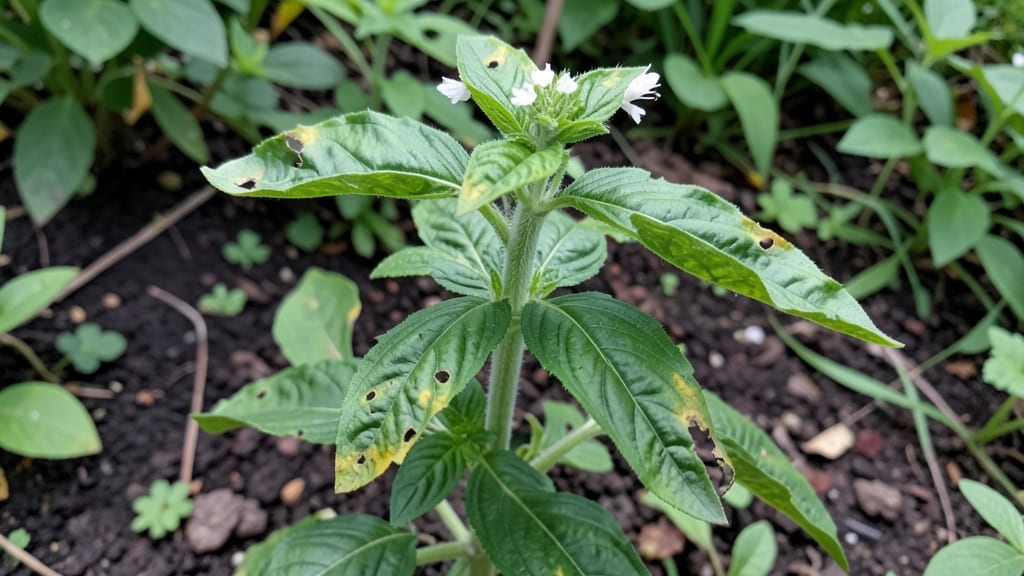
Gardening basil plants has turned my kitchen windowsill into a fragrant, year-round herb haven—no grocery store needed. 🌿 The difference between store-bought and homegrown is night and day. The key? Pruning at the right time and keeping it happy with just a few simple tweaks.
You’ll need well-draining potting mix, a sunny spot (or grow light), and a pot with drainage holes—nothing fancy. Basil thrives on consistency: water when the top inch feels dry, and pinch off flowers to keep the plant focused on leaf production.
Most beginners overwater or let it get too crowded, but once you master these basics, you’ll have lush, productive plants year-round.
The real magic happens when you start pruning regularly. Snip the top sets of leaves just above a pair of lower leaves, and your plant will branch out like crazy.
Within weeks, you’ll have enough basil for pesto, salads, and sandwiches—with enough left over to share. The smell alone makes it worth it.
Works for containers, window boxes, or even indoor setups. Whether you’re a beginner or a seasoned gardener, this method guarantees a steady supply of the freshest basil you’ve ever tasted. Let’s get growing!
📚 In This Guide
- What you need
- Instructions
- Tips and common mistakes
- Wrapping up and next steps
What you need
- ● Basil plants: 6–10 seeds (genovese, sweet, or Thai basil) or
- ● 3–5 seedlings (potted or nursery-bought)
- ● Containers: 1–2 5–6 inch pots (per plant) with drainage holes or
- ● 1 large container (12+ inches wide) for multiple plants
- ● Potting mix: 1 bag (1–2 cubic feet) of well-draining, organic potting soil (avoid garden soil—it compacts too much!)
- ● Fertilizer: Balanced liquid fertilizer (10-10-10) or
- ● Slow-release granular fertilizer (like Osmocote)
- ● Tools: Hand trowel
- ● Pruning shears (sharp!) or clean scissors
- ● Spray bottle (for watering seedlings)
- ● Sunlight: 6+ hours of direct sunlight daily (south/west-facing windows or outdoor spot)
- ● Temperature: Ideal range: 70–80°F (21–27°C) (basil bolts in heat over 90°F/32°C)
- ● Water: Keep soil consistently moist (not soggy!)—water when top inch feels dry
- ○ Humidity: Optional: Pebble tray or humidity dome for indoor plants
- ● Grow lights (LED, full-spectrum) for indoor setups
- ● Mulch (straw or shredded leaves) to retain moisture
- ● Companion plants (tomatoes, peppers, or marigolds—basil loves them!)
- ● Epsom salt (1 tbsp per gallon of water monthly for extra magnesium)
Step-by-step instructions for gardening basil plants
Here’s how to grow lush, productive basil plants that keep giving all season.
🌱 Step 1: Choose the Right Spot and Prepare the Soil
Basil thrives in full sun—at least 6 hours daily—so pick a warm, sheltered spot in your garden or a sunny windowsill indoors. If planting outside, amend the soil with 2-3 inches of compost to improve drainage and fertility. Basil hates soggy roots, so avoid low-lying areas where water pools.
For containers, use a well-draining potting mix and ensure the pot has drainage holes. I like to add a handful of perlite to the mix—this keeps roots aerated and prevents waterlogging. Test the soil moisture by sticking your finger 1 inch deep; if it feels dry, it’s ready for planting.
🌿 Step 2: Plant Basil Seeds or Transplants
Sow seeds ¼ inch deep or transplant seedlings after the last frost when soil temperatures reach at least 50°F. Space plants 12-18 inches apart to allow airflow and prevent fungal diseases. Crowding leads to weak stems and poor air circulation, which invites pests.
If starting from seed, keep the soil consistently moist until germination (7-14 days). Once seedlings emerge, thin them to the strongest 1-2 plants per pot or 12 inches apart in the garden. You’ll know they’re ready when they develop 2-3 true leaves—that’s your cue to start pruning for bushier growth.
☀️ Step 3: Water and Fertilize for Maximum Growth
Water basil deeply 1-2 times per week, aiming for 1 inch of water per week. Let the top 1 inch of soil dry out between waterings to prevent root rot. Overwatering is the #1 killer of basil—you’ll see yellowing leaves or wilting stems as warning signs.
Feed plants every 3-4 weeks with a balanced liquid fertilizer (10-10-10) diluted to half strength. I prefer organic options like fish emulsion or compost tea. Stop fertilizing 4-6 weeks before harvest to avoid bitter flavors. Watch for dark green, vibrant leaves—they’re your signal that the plant is thriving.
✂️ Step 4: Prune for Bushier Growth and Continuous Harvest
Here’s the secret to year-round basil: prune regularly. Pinch off the top set of leaves when the plant reaches 6 inches tall to encourage branching. This creates a fuller bush and more harvestable stems. Always cut just above a leaf node (the point where leaves meet the stem) to promote new growth.
Harvest leaves before flowering for the best flavor. Cut stems 2-3 inches above the base to stimulate regrowth. If your basil flowers, snip them immediately—they signal the plant to stop producing leaves and focus on seeds, ruining your harvest. With consistent pruning, you’ll get continuous growth all season long.
🪴 Step 5: Protect and Overwinter (If Needed)
Basil is an annual, but you can extend its life indoors. Before the first frost, cut back the plant to 4-6 inches tall and move it to a sunny windowsill or under grow lights. Reduce watering slightly—indoor basil needs less moisture than outdoor plants.
Watch for pests like aphids or spider mites, which love stressed plants. Spray with neem oil if you spot them. If growing in containers, bring pots inside before temperatures drop below 40°F. With care, your basil can keep producing leaves for months beyond its natural season.
Tips & tricks for perfect basil plant care
Growing basil isn't rocket science, but these little tricks make all the difference between a sad, leggy plant and a thriving, flavorful bush.
Sunlight Strategy: While basil needs at least 6 hours of sun daily, I've found that morning sun plus afternoon shade works best in hot climates. If growing indoors, place basil within 12 inches of a south-facing window or use grow lights for 12-14 hours daily. Too much direct afternoon sun can scorch tender leaves, especially when temperatures climb above 85°F.
Soil Temperature Matters: Don't rush planting until soil temperatures consistently reach 50°F—cold soil slows germination and root growth. I test this by placing a thermometer 2 inches deep in soil for 24 hours. For container growers, use black pots which absorb and retain heat better than white or colored ones. This helps establish strong roots faster, especially when starting from seed.
Pruning Precision: When your basil reaches 6 inches tall, pinch off the top set of leaves using your thumb and forefinger—no need for scissors! This encourages branching at the leaf nodes below. I make sure to cut just above a leaf node (where leaves meet the stem) to promote new growth from that point. This simple technique can triple your harvest potential over time.
Winter Survival Hack: Before bringing basil indoors, give it a good pruning back to 4-6 inches tall. This reduces stress on the plant and prevents pests from hitching a ride inside. I also recommend wiping down leaves with a damp cloth to remove any dirt or potential pests before moving them to their indoor spot. Reduce watering by about 30% once inside—indoor basil needs less moisture than outdoor plants.
Pro Tips for Gardening Basil Plants
- Growing basil isn't rocket science, but these little tricks make all the difference between a sad, leggy plant and a thriving, flavorful bush.
- Sunlight Strategy: While basil needs at least 6 hours of sun daily, I've found that morning sun plus afternoon shade works best in hot climates.
- Soil Temperature Matters: Don't rush planting until soil temperatures consistently reach 50°F—cold soil slows germination and root growth.
Frequently asked questions
Got questions about growing basil like a pro? Here are some of the most common queries—and their answers—to help you cultivate a thriving, flavorful basil garden all year long!
How often should I prune my basil plants for maximum yield?
Prune your basil regularly—about every 2–3 weeks—to encourage bushier growth and more leaves. Always snip just above a leaf node (where new branches form) to promote branching. Avoid cutting more than ⅓ of the plant at once, or you’ll stress it. Check out our pruning secrets for year-round harvests!
When is the best time to harvest basil leaves?
Harvest leaves early in the morning when flavors are most concentrated. Pick outer leaves first to avoid damaging the plant’s center. For continuous harvests, trim stems just above a pair of leaves—this encourages new growth. Pro tip: Avoid harvesting more than ⅓ of the plant at a time to keep it healthy!
Can I grow basil indoors, and what’s the ideal temperature?
Basil thrives indoors near a sunny window or under grow lights (6–8 hours/day). Keep temperatures between 60–75°F (15–24°C)—it’s sensitive to cold drafts and heat above 80°F (27°C). Use a humidity tray or mist leaves occasionally to mimic its Mediterranean roots.
What should I do if my basil leaves turn yellow or develop holes?
Yellow leaves often signal overwatering or nutrient deficiency (like nitrogen). Holes? Likely pests like aphids or spider mites. Fix it: Adjust watering, fertilize lightly with balanced fertilizer, and spray plants with neem oil or insecticidal soap. Read more troubleshooting tips here!
Are there any companion plants that help basil grow better?
Yes! Basil loves being near tomatoes, peppers, and oregano—they repel pests like mosquitoes and whiteflies. Avoid planting it near rue or sage, as these can stunt its growth. For container gardens, pair basil with marigolds or nasturtiums for natural pest control.
Wrapping up and next steps
Growing your own basil is a rewarding journey that brings fresh, flavorful herbs right to your kitchen with minimal effort! 🌿 Whether you’re a beginner or a seasoned gardener, the key to a thriving basil plant lies in pruning, sunlight, and consistency—plus, the right companion plants to keep pests at bay.
With these pruning secrets and year-round care tips, you’ll enjoy a bountiful harvest that rivals store-bought (and tastes so much better!).
Ready to take the next step? Start small: Pick one basil variety to grow this season, experiment with pruning techniques, and share your harvest with friends or in your favorite recipes. Happy gardening—your taste buds (and dinner guests) will thank you! 🍅😊