
Planting
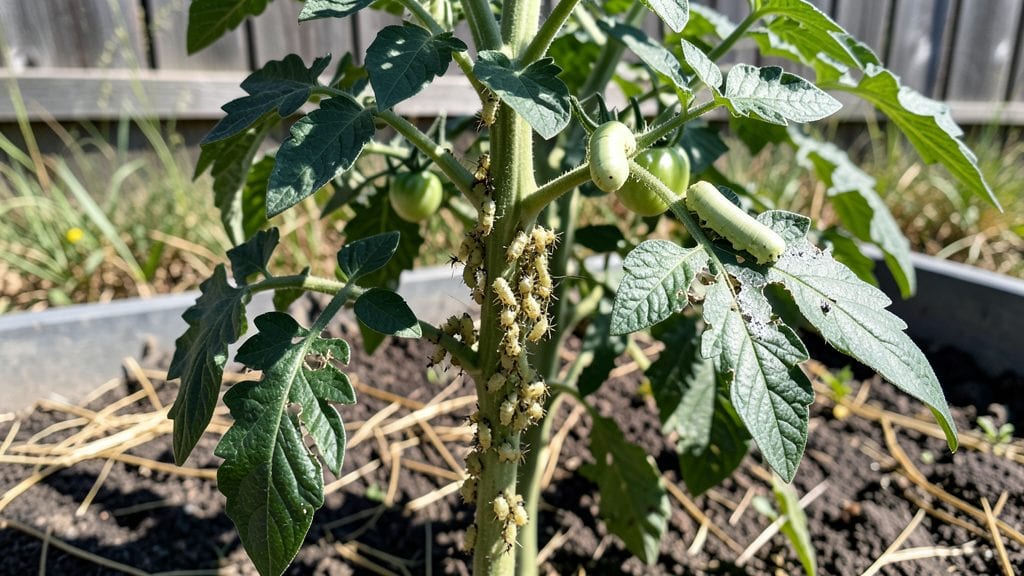
My garden plant pests story started with a kale plant that looked like someone had dipped it in cotton candy—except it was aphids, not sugar. These tiny invaders don’t just ruin leaves; they sap plant strength, leaving behind sticky residue that attracts even worse problems.
The good news? I’ve since learned to spot them early and stop them before they take over.
Most pests—aphids, slugs, beetles—thrive when gardens are out of balance. Too much nitrogen, overwatered soil, or crowded plants create the perfect buffet. My go-to fixes now include introducing ladybugs for aphids, setting out beer traps for slugs, and handpicking beetles before they multiply.
These methods work because they address the root cause, not just the symptom.
You’ll end up with plants that bounce back faster, fewer chewed leaves, and a garden that stays productive all season. The key is acting at the first sign of trouble—yellowing leaves, holes in foliage, or that telltale sticky mess.
Once you know what to watch for, pests become manageable instead of overwhelming.
Whether you’re dealing with a sudden beetle outbreak or slugs that show up after every rain, these solutions adapt to the problem. The goal isn’t perfection—it’s keeping your garden thriving with minimal fuss. Let’s get those pests under control for good.
Root Causes Of Plant Invaders
Understanding why pests target your garden starts with recognizing the environmental triggers, biological needs, and human habits that create the perfect storm for infestations. Here’s a breakdown of the key reasons your plants become a buffet for unwanted critters—and how their behavior ties back to science.
Pests thrive where plants are stressed or struggling—think of them as opportunistic roommates crashing in a house with broken locks. When plants are overcrowded, their defense mechanisms weaken, making them easier targets.
- Lack of sunlight 🌞: Shady spots reduce photosynthesis, leaving plants nutrient-deficient and vulnerable.
Pests like aphids and spider mites detect these weak signals and move in. - Poor soil health 🌍: Compacted, nutrient-poor soil limits root growth, stressing plants. Root maggots and fungus gnats love this environment because stressed roots emit volatile organic compounds (VOCs) that attract them. - Overwatering or drought 💧: Both extremes disrupt a plant’s natural defenses. Slugs and snails prefer soggy conditions, while caterpillars attack drought-stressed leaves, which have lower tannin and silica content (natural pest repellents).
Pro Tip: 💡 Test your soil’s pH and drainage—most pests avoid plants with balanced nutrients and good airflow.
Not all plants are equally appealing to pests.
Some act like magnets because of their: - Soft, tender leaves (e.g., basil, lettuce) – favorites of chewing insects like cabbage worms. - Sweet nectar or sap (e.g., roses, fruit trees) – draws sap-sucking pests like aphids and scale insects. - Strong aromas (e.g., herbs like dill, fennel) – some pests use scent trails to locate host plants.
Example: 🌿 Tomatoes often attract hornworms because their leaves contain high levels of solanine, a compound that some caterpillars find irresistible.
Your gardening routine might be unwittingly welcoming pests.
Common culprits include: - Over-fertilizing with nitrogen 🧪: This promotes lush, soft growth that attracts Japanese beetles and flea beetles, which love tender new shoots. - Ignoring garden debris 🗑️: Leaves, stems, and fallen fruit create hiding spots for earwigs, cutworms, and slugs during the day and emergence sites for pests like beetles at night. - Monoculture planting 🌾: Growing only one type of plant (e.g., a huge zucchini patch) makes it easier for pests to find and devastate the entire crop. Colorado potato beetles are notorious for this.
Pro Tip: ✨ Interplant with pest-repelling herbs (e.g., marigolds, basil) to disrupt pest navigation and confuse their scent trails.
Pests are highly sensitive to climate changes, and their life cycles sync with:
- Warm, humid conditions 🌡️: Fungal pests like powdery mildew and black spot spread rapidly when humidity exceeds 75%.
- Mild winters ❄️: Many pests (e.g., aphids, whiteflies) survive cold snaps in dormant eggs or larvae, then explode in numbers when spring arrives.
- Drought stress 🔥: Plants under water stress produce more sugars in their leaves, making them more attractive to sap-sucking insects.
Example: 🐛 Squash vine borers time their emergence with warm soil temperatures (60°F+), ensuring their larvae hatch just as squash plants begin flowering.
Some pests are hardwired to target specific plants at certain stages:
- Larval stages 🐛: Many pests (e.g., tomato hornworms, cabbage loopers) lay eggs on young leaves, where larvae can strip foliage before the plant matures.
- Overwintering habits ❄️: Beetles, weevils, and some caterpillars burrow into soil or plant debris to survive winter, emerging in spring to re-infest gardens.
- Chemical cues 🧪: Some pests (like Mexican bean beetles) use plant volatiles to locate host plants from miles away.
Key Insight: 🎯 Disrupting their life cycle—via crop rotation, trap plants, or beneficial insects—can break their reproductive cycle before they take hold.
A healthy garden ecosystem naturally keeps pests in check.
When this balance is thrown off: - Loss of natural predators 🐞: Spraying broad-spectrum pesticides can kill ladybugs, lacewings, and parasitic wasps, removing the first line of pest defense. - Lack of biodiversity 🌿: Monotonous gardens offer no refuge for beneficial insects, making pests more dominant. - Water sources nearby 💦: A damp mulch or birdbath can attract slugs, snails, and fungus gnats, turning your garden into a pest paradise.
Solution: 🌍 Encourage pollinators and predators by planting native flowers, avoiding chemical sprays, and providing water sources (like a shallow dish with pebbles).
Pests don’t invade randomly—they’re responding to environmental signals, plant chemistry, and human actions. By understanding these triggers, you can proactively weaken their advantage and strengthen your plants’ resilience. The next section will cover how to disrupt these cycles organically—without resorting to harsh chemicals.
Quick Fixes for Common Plant Problems
When pests and diseases strike your garden, acting fast can save your plants—and your sanity. Below are practical, organic solutions tailored to the most common culprits, along with prevention tips to keep your garden thriving long-term. No harsh chemicals here—just smart, nature-backed fixes!
Cause: These sap-sucking insects cluster on new growth, leaving sticky residue (honeydew) that attracts sooty mold.
How to Fix It: 🔥 Blast Them Off – Use a strong stream of water from your hose to dislodge aphids from leaves. Repeat every few days until gone. 🍳 Soapy Spray Solution – Mix 1 tsp mild liquid soap (like Castile) or 1 tbsp neem oil in 1 quart of water. Spray directly on infested areas. Test on a small leaf first! 👨🍳 Introduce Predators – Ladybugs, lacewings, and parasitic wasps love aphids. Buy them online or attract them with dill, fennel, or marigolds. 🥘 Prune & Destroy – Cut off heavily infested stems and compost them away from your garden (don’t toss them in your yard—aphids can reinfest!).
💡 Prevention Tip: Plant garlic, chives, or rosemary nearby—aphids dislike their strong scent!
Cause: Overwatering, poor airflow, or contaminated soil invite powdery mildew, rust, or black spot.
How to Fix It: 🌡️ Improve Airflow – Space plants 3–6 inches apart (check tags for mature size). Remove crowded leaves or stems. ✨ Baking Soda Spray – Mix 1 tsp baking soda + 1 tbsp oil + 1 quart water. Spray every 7–10 days (works best on mildew). 🔪 Copper Fungicide (Organic Option) – Use copper-based sprays (like Bordeaux mixture) for stubborn infections like rust. 📊 Rotate Crops & Sterilize Tools – Don’t plant the same family (e.g., tomatoes) in the same spot yearly. Disinfect pruners with rubbing alcohol between uses.
💡 Prevention Tip: Water early in the day so leaves dry quickly—fungi thrive in damp, dark conditions!
Cause: These slimy pests munch on leaves overnight, leaving slime trails and ragged edges.
How to Fix It: 🥘 Beer Traps – Bury a shallow dish filled with beer near plants. Slugs crawl in and drown. Refresh every 2–3 days. 🔥 Coffee Grounds Barrier – Sprinkle used coffee grounds around plants (caffeine repels them). Reapply after rain. 🎯 Handpick at Night – Use a flashlight and wet newspaper to lure and collect them. Drop them in soapy water. 🌡️ Diatomaceous Earth (DE) – Sprinkle food-grade DE around plants. It’s non-toxic but deadly to slugs (reapply after rain).
💡 Prevention Tip: Plant strawberries, lettuce, or hostas in elevated containers—slugs struggle to climb!
Cause: These tiny white bugs cluster on undersides of leaves, weakening plants with sticky honeydew.
How to Fix It: 🔪 Yellow Sticky Traps – Hang yellow cards coated with petroleum jelly near plants. Whiteflies get stuck! 🍳 Neem Oil Spray – Mix 2 tbsp neem oil + 1 tsp soap in 1 quart water. Spray every 5–7 days until gone. 👨🍳 Blow Them Off – Hold plants over a bucket of soapy water and shake gently to dislodge them. 🌡️ Reflective Mulch – Cover soil with aluminum foil or reflective plastic—whiteflies hate bright light.
💡 Prevention Tip: Keep plants healthy and well-watered—stressed plants attract more pests!
Cause: Tomato hornworms, cabbage worms, and loopers devour foliage overnight.
How to Fix It: 🔥 Handpick & Drop – Wear gloves and pluck them off into soapy water. Check undersides of leaves! 🍳 Bt (Bacillus thuringiensis) Spray – This organic bacteria kills caterpillars but is safe for bees. Reapply after rain. 👨🍳 Row Covers – Use floating fabric row covers to block eggs and adults before they lay. 🌡️ Plant Sacrificial Traps – Grow nasturtiums or marigolds nearby—they attract caterpillars away from veggies.
💡 Prevention Tip: Remove fallen leaves and debris where caterpillars hide as eggs!
🎯 Final Pro Tip: Inspect plants weekly—catching problems early means less damage and easier fixes! Keep a garden journal to track what works (and what doesn’t) in your space.
With these simple, organic methods, you’ll send pests packing—without harming your plants (or the planet)! 🌱💚
Frequently asked questions
What are the most common garden plant pests I should watch for?
Aphids, slugs, Japanese beetles, and caterpillars (like tomato hornworms) are the most frequent troublemakers. Aphids cluster on new growth, slugs leave slime trails at night, beetles skeletonize leaves, and caterpillars devour foliage overnight. Early detection is key—check undersides of leaves and soil surfaces regularly.
Can I use coffee grounds to repel pests naturally?
Sprinkle used coffee grounds around plants to deter slugs and snails—the caffeine acts as a natural repellent. For aphids and ants, the strong scent confuses them. Just reapply after rain, as it washes away. Bonus: Coffee grounds also improve soil health over time!
How do I know if my plant damage is from pests or disease?
Pest damage usually has holes, chewed edges, or sticky residue (honeydew), while diseases show powdery spots, mold, or discoloration. Check for live critters (like aphids) or eggs on undersides of leaves. Diseases often appear as fuzzy growths or leaf spots that spread without visible insects.
Are there any plants that naturally repel pests?
Yes! Marigolds, basil, garlic, and rosemary are powerhouse pest repellents. Marigolds deter nematodes and aphids, basil keeps flies and mosquitoes away, and garlic confuses beetles. Plant these strategically around your garden’s perimeter for maximum protection.
What’s the best time of day to check for pests?
Morning is ideal—pests like aphids, caterpillars, and slugs are most active when dew is present. Check undersides of leaves and soil surfaces before watering. For nocturnal pests (like slugs), use a flashlight after dark to spot them in action and set traps.