
Neem Oil
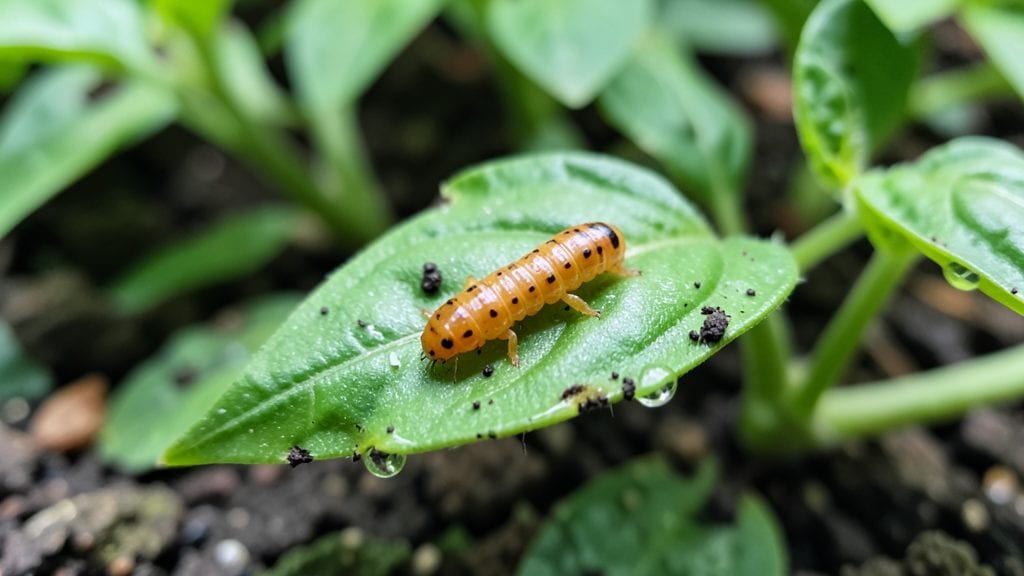
Neem oil for garden bugs works faster than you’d expect—within 24 hours of application, you’ll see aphids dropping like rain and spider mites scrambling for cover. 🌱 I’ve used it for years to save my roses, tomatoes, and herbs from total infestations, and the best part?
It doesn’t just kill pests—it disrupts their life cycles so they don’t come back stronger.
The secret lies in its dual action: it smothers bugs on contact while also acting as a feeding deterrent for their offspring. Most gardeners mess up by using it too late or mixing it wrong—too strong, and you’ll burn leaves; too weak, and the bugs laugh it off.
My foolproof formula uses 1 tablespoon per quart of water with a drop of dish soap as an emulsifier, and it’s ready in 10 minutes.
By sunset, your plants will look refreshed, not fried. The neem oil leaves a faint, earthy scent that fades within hours, and your veggies stay safe to harvest the next day.
No more sticky residues or chemical smells—just clean, effective pest control that actually works on aphids, whiteflies, and even fungal issues like powdery mildew.
Works in containers, raised beds, or open soil—and yes, even for organic certifications. The key? Timing and consistency. Spray in the early evening when bugs are active but before temps drop, and repeat every 7-10 days for stubborn pests. Your garden will thank you.
The Real Culprits Behind Garden Bugs
Garden pests aren’t just random annoyances—they’re drawn to your plants for specific reasons, often tied to biology, environmental cues, or even your gardening habits. Understanding why bugs invade helps you use neem oil effectively as a targeted defense. Here’s a breakdown of the key triggers and how they work.
Bugs like aphids, spider mites, and whiteflies thrive in gardens where plants are weak or packed too tightly. Here’s why:
- Nutrient competition: Overcrowded plants struggle to absorb enough nutrients, making them less resilient to pests. Weak leaves and stems become an easy meal for hungry insects.
- Poor airflow: Dense foliage traps moisture, creating a humid microclimate that favors fungal diseases (like powdery mildew) and pests that love damp conditions, such as slugs and snails.
- Stress signals: Plants under stress (from drought, overwatering, or poor soil) release volatile organic compounds (VOCs) that attract pests. For example, aphids are drawn to the sweet sap that stressed plants produce in excess.
Actionable fix: Thin out overgrown plants, mulch to retain moisture, and ensure proper spacing (check plant tags for guidelines). Neem oil’s antifeedant properties can deter pests before they latch onto stressed foliage.
Some bugs, like aphids and mealybugs, are magnetized by the sugary sap of young or damaged plants. Here’s the science:
- Honeydew production: Aphids pierce plant cells to feed, sucking out nutrients and excreting honeydew—a sticky, sugary substance that:
- Attracts ants (who “farm” aphids for honeydew).
- Encourages sooty mold, a black fungal growth that blocks sunlight.
- Creates a sticky trap for other pests like whiteflies and wasps.
- New growth appeal: Young leaves and stems are richer in sugars and thinner-skinned, making them a preferred buffet for sap-sucking insects.
Actionable fix: Prune new growth regularly to remove aphid hotspots. Neem oil disrupts their feeding by coating their bodies and blocking their ability to consume sap effectively.
Your garden’s “junk drawer” (leaves, weeds, mulch piles) is a bug hotel. Here’s how debris becomes a pest paradise:
- Hiding spots: Pests like earwigs, cutworms, and slugs use decaying organic matter as shelter during the day, emerging at night to feast.
- Breeding grounds: Weeds harbor alternative host plants for pests (e.g., dandelions attract aphids that later move to your veggies).
- Moisture traps: Rotted wood or thick mulch layers create high-humidity zones, perfect for fungal-loving pests like thrips and fungus gnats.
Actionable fix: Clear debris weekly, especially around plant bases. Neem oil’s repellent scent (from azadirachtin) deters pests from settling in the first place.
Bugs don’t just appear—they’re cued by environmental conditions. Here’s how weather patterns invite infestations:
| Condition | Pests Attracted | Why It Happens |
|---|---|---|
| Hot, dry spells | Spider mites, whiteflies | Drought-stressed plants reduce sap pressure, making them easier targets. Mites thrive in low humidity. |
| Warm, humid nights | Slugs, snails, fungus gnats | Moisture-loving pests emerge after rain or when soil stays damp. Humidity also speeds up fungal growth that pests feed on. |
| Cool, wet springs | Aphids, cabbage worms | Slow plant growth delays natural defenses (like tougher leaves), and pests reproduce faster in mild temps. |
Actionable fix: Monitor weather forecasts and apply neem oil preventatively before pests peak (e.g., spray in early evening during heatwaves to deter mites).
By addressing these root causes, you’re not just treating symptoms—you’re starving the problem at its source. Neem oil’s multi-pronged action (repellent, antifeedant, and growth disruptor) makes it a smart choice for gardens where pests are drawn by biology, not bad luck.
Natural Bug Control Solutions
Neem oil isn’t just a reactive fix—it’s a proactive shield for your garden. Below, we’ll tackle common bug issues with targeted, easy-to-follow solutions, using neem oil as the star player. Pair these fixes with prevention tips to keep pests at bay for good.
Cause: Tiny, sap-sucking invaders cluster on leaves, leaving sticky residue (honeydew) and stunting plant growth. Fix:
- 🌿 Dilute & Spray (Evening Application) Mix 1 tablespoon neem oil + 1 teaspoon mild dish soap + 1 quart water in a spray bottle. Shake well and apply directly to infested areas (under leaves too!). Reapply every 3–5 days until gone. Why it works: Neem disrupts aphids’ life cycle and deters new eggs from hatching.
- 💦 Rinse Off Stubborn Infestations For heavy cases, spray with neem solution + water (1:1 ratio) to physically wash away pests. Follow up with a hose spray to remove residue.
💡 Prevention Tip:
- Encourage predators: Ladybugs and lacewings love aphids. Plant dill, fennel, or marigolds nearby to attract them.
- Prune regularly: Remove crowded or diseased foliage where aphids hide.
Cause: These pests munch on leaves, stems, and roots, leaving jagged holes or wilting plants. Fix:
- 🍃 Stronger Neem Concentrate Use 2 tablespoons neem oil + 1 teaspoon soap + 1 quart water. Spray thoroughly on both leaf surfaces and soil (for grubs). Reapply every 4–7 days—chewing insects are tougher but not invincible!
- 🌱 Soil Drench for Grubs Mix 1 tablespoon neem oil + 1 gallon water and pour around the base of affected plants. This targets root-feeding grubs (like Japanese beetle larvae).
💡 Prevention Tip:
- Handpick large larvae (drop them in soapy water).
- Mulch with diatomaceous earth (food-grade) around plants to deter crawling pests.
Cause: Tiny red/yellow mites spin webs on leaves, causing stippling and yellowing. Fix:
- 🌧️ Direct Leaf Spray (Bottoms Up!) Use 1 tablespoon neem oil + 1 teaspoon soap + 1 quart water. Focus on undersides of leaves (their favorite hiding spot). Spray early morning or late evening to avoid sunburning plants. Pro tip: Add 1 drop of mineral oil to help the solution stick better.
- 🚿 Blast Away Webs Before spraying, gently wipe webs with a damp cloth or hose them off. Mites hate being dislodged!
💡 Prevention Tip:
- Keep plants hydrated: Spider mites thrive in dry conditions.
- Use a fan: Light airflow deters them—place a small fan near susceptible plants.
Cause: Fungal spores spread in humid conditions, creating white powder or dark spots on leaves. Fix:
- 🍄 Fungal-Fighting Spray Mix 1 tablespoon neem oil + 1 teaspoon baking soda + 1 quart water. Add a few drops of soap to help it adhere. Spray every 7–10 days or after rain.
- 🌿 Improve Airflow Prune overcrowded plants and space them 3–6 inches apart to reduce humidity pockets.
💡 Prevention Tip:
- Water at the base (not overhead) to keep leaves dry.
- Rotate crops annually to prevent fungal buildup in soil.
⚠️ Critical Note: Neem oil is safe for bees when used correctly—but only spray when flowers aren’t open (early morning or evening). Avoid spraying directly on blooms or during peak bee activity (10 AM–4 PM).
- Test first: Spray a small area to check for plant sensitivity (especially citrus or sensitive species).
- Reapply after rain: Water washes neem off, so reapply if it rains within 24 hours.
- Rotate methods: Combine neem with companion planting (e.g., basil repels flies) or physical barriers (row covers for cabbage worms).
🎯 Final Pro Tip: For persistent problems, combine neem oil with kaolin clay (a natural repellent) or garlic spray for a multi-layered defense. Consistency is key—pests don’t stand a chance with a regular neem schedule!
Frequently asked questions
Can I use neem oil on edible plants right before harvest?
Yes, but wait 24 hours after application before picking fruits or veggies. Neem oil breaks down quickly and leaves no harmful residue, but the strong scent may linger briefly. Always follow the 1 tablespoon per quart of water ratio for safety.
Does neem oil work on underground pests like grubs?
Mix 1 tablespoon neem oil with 1 gallon of water and pour it around the base of affected plants. This targets root-feeding pests like Japanese beetle larvae. Reapply every 7-10 days for stubborn infestations.
Will neem oil harm beneficial insects like ladybugs?
Neem oil is generally safe for beneficial insects when used correctly. Spray only in the evening when pollinators are less active, and avoid applying directly to flowers. The key compound, azadirachtin, targets harmful pests while being gentle on beneficial species.
How long does homemade neem oil spray last?
Homemade neem oil spray should be used within 24 hours for maximum effectiveness. Store-bought concentrated neem oil lasts longer (check the label), but always shake well before use. The dish soap emulsifier helps it stick better to plant surfaces.
Can I mix neem oil with other pesticides?
No, avoid mixing neem oil with chemical pesticides as it can reduce effectiveness and harm plants. For organic gardens, combine it with kaolin clay or garlic spray instead. Always test new mixtures on a small plant area first.