
Neem Oil
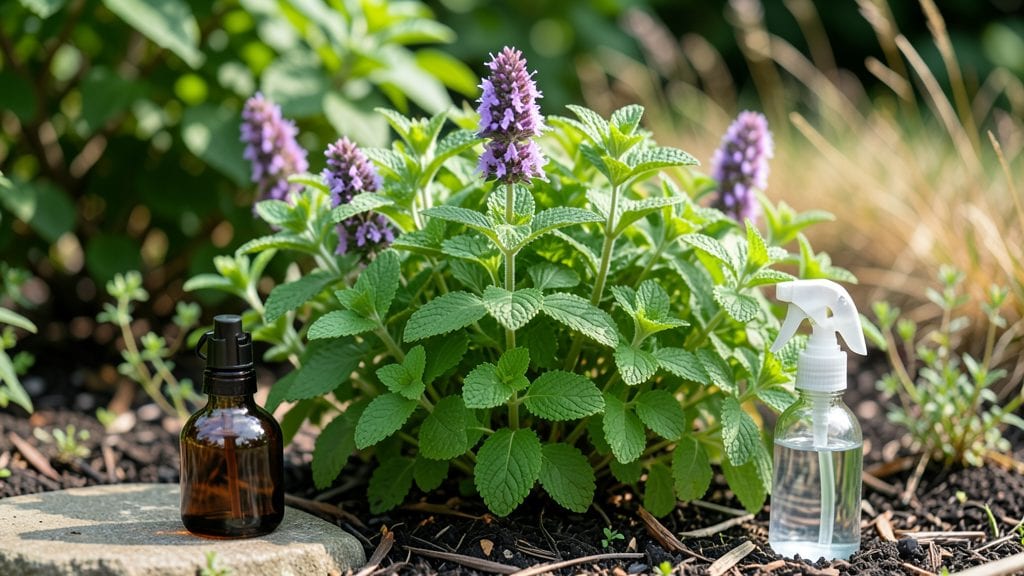
Using peppermint oil for garden pests effectively deters ants, aphids, spider mites, and other common intruders by scrambling their scent communication and feeding signals. Mix it with water at a 1:10 ratio and apply directly to plants, soil, or entry points for chemical-free pest management.
Peppermint oil’s secret weapon is its high menthol content, which overpowers pests' natural scent trails and confuses their navigation systems. 🌿 Unlike synthetic pesticides, this natural solution doesn’t kill pests outright—it disrupts their ability to find food or mates, often driving them away entirely.
I’ve found it works best on crawling insects like ants and spider mites, though flying pests may need repeated applications to stay deterred. The key is consistency: reapply every 7-10 days or after rain to maintain the protective barrier.
For maximum effectiveness, time your applications right—early morning or late evening when pests are most active. A few drops of dish soap added to the mix helps the solution stick better to plant leaves.
Just remember to keep it away from delicate flowers like roses, as peppermint’s strong scent can harm their petals over time.
💡 In This Article
- How Peppermint Oil Disrupts Pest Behavior
- DIY Peppermint Oil Spray Recipes for Targeted Pest Control
How peppermint oil disrupts pest behavior
The real magic of peppermint oil lies in its chemical composition, particularly menthol and menthone, which act like olfactory disruptors for insects. These compounds overwhelm pests' antennae receptors, scrambling their ability to detect pheromones and plant attractants.
For example, ants rely on scent trails to navigate—when peppermint oil interferes, they lose their way entirely. 🔥 The oil's strong aroma also masks the volatile organic compounds (VOCs) plants emit to attract pests, effectively making your garden invisible to them.
Scientific studies show menthol binds to insect odorant receptors with 100-1000x greater affinity than plant-based attractants, creating sensory overload. Flying pests like aphids face additional challenges because peppermint's volatile compounds evaporate quickly, creating a moving scent barrier they struggle to penetrate.
However, this volatility means applications need reapplication every 7-14 days or after rainfall, as the protective effect diminishes when the oil breaks down in sunlight or moisture.
What makes peppermint particularly effective against crawling pests is its non-repellent repellency—it doesn't kill insects outright but makes their environment uninhabitable. For instance, spider mites avoid treated surfaces because the oil disrupts their silk-laying behavior, while ants abandon foraging paths when they can't follow scent markers.
The key difference from flying pests is that crawling insects have more direct contact with the oil's surface residue, creating a physical barrier.
Temperature plays a surprising role in effectiveness. Cooler weather (60-75°F) preserves the oil's potency longer because evaporation slows down, while hotter conditions (>85°F) cause it to break down 30-50% faster.
This is why early morning applications work best—the cooler air helps maintain the protective barrier throughout the day. The oil's persistence varies by pest type too: ants show avoidance within 24 hours, while spider mites may take 3-5 days to fully vacate treated areas.
Here's what happens at the molecular level: Menthol mimics insect alarm pheromones, triggering defensive behaviors without actual danger present. Meanwhile, menthone interferes with their feeding rhythms by altering plant surface chemistry, making leaves less appealing.
The combination creates a double-pronged attack on pest behavior that synthetic pesticides can't match. 💫 For gardeners, this means fewer dead insects and more natural pest control that's safer for beneficial pollinators.
One important distinction is between direct contact and airborne effects. While peppermint oil works well against crawling pests through direct contact, flying insects require more frequent applications because they can bypass treated surfaces.
The oil's effectiveness against specific pests follows this general hierarchy: ants > spider mites > aphids > whiteflies, with the most mobile pests requiring the most maintenance.