
Fertilization
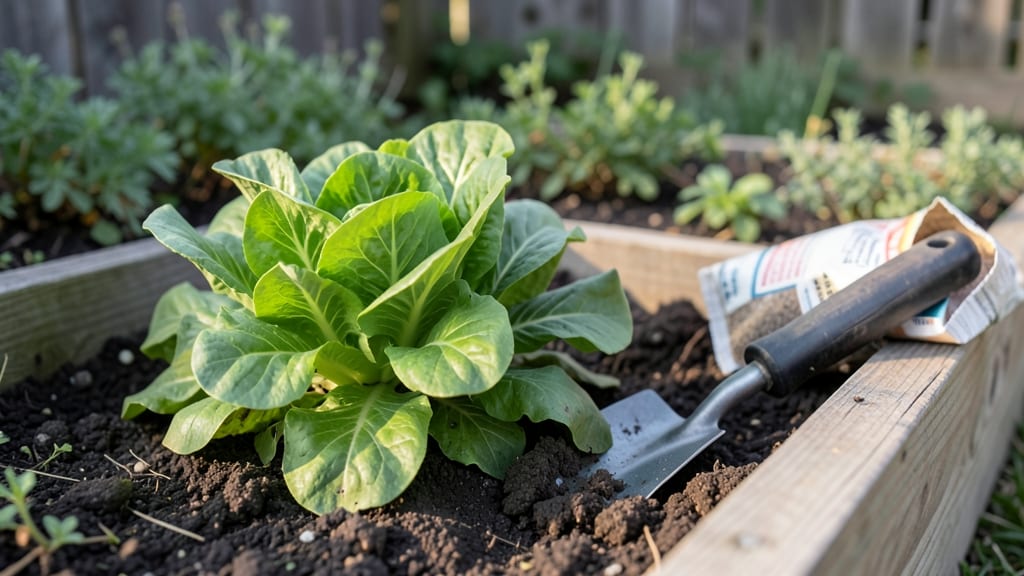
Miracle Gro for vegetable gardens delivers fast nutrient absorption for rapid plant growth but may require diluting to balance soil health over time. Its concentrated formula boosts early development but can deplete organic matter if overused, making it ideal for short-term revival rather than long-term soil enrichment.
If you're looking to jumpstart your vegetable garden, Miracle Gro's fast-acting formula is a game-changer for seedlings and struggling plants. 🌱 The key lies in its balanced NPK ratio, which delivers nitrogen for leafy growth, phosphorus for root development, and potassium for overall vitality—all in a form plants can use immediately.
However, its synthetic nature means it works best in short bursts rather than as a sole long-term solution, since it lacks the organic matter that builds soil structure over time.
For best results, I recommend mixing it with compost or using it as a mid-season boost rather than a replacement for regular feeding. This approach lets you harness its speed without compromiting your garden's long-term health.
💡 In This Article
- How Miracle Gro’s Nutrient Formula Affects Vegetable Growth
- Best Practices for Using Miracle Gro in Vegetable Gardens
How Miracle Gro’s nutrient formula affects vegetable growth
Miracle Gro’s signature formula packs a 15-5-10 NPK ratio (nitrogen-phosphorus-potassium), designed to deliver immediate results. The high nitrogen content (15%) fuels rapid leaf and stem growth, making it perfect for leafy greens like spinach or kale that need quick biomass production.
Phosphorus (5%) supports root development and flowering, while potassium (10%) strengthens cell walls and disease resistance. This ratio is particularly effective for fruiting vegetables like tomatoes and peppers, which demand both foliage and fruit production simultaneously.
The real magic happens with its fast-release micronutrients, including calcium, magnesium, and iron, which dissolve instantly in water. These micronutrients bypass the slow decomposition process of organic fertilizers, delivering nutrients directly to plant roots within 24-48 hours.
For example, tomatoes show visible growth spurts within 5-7 days of application, thanks to this rapid nutrient uptake. However, this speed comes at a cost—organic fertilizers like compost release nutrients gradually, building soil structure over months rather than weeks.
Here’s why some vegetables thrive more than others: Tomatoes and peppers respond dramatically because their fruiting stages require both nitrogen for leaves and phosphorus for flowers. Carrots and onions, however, benefit less from the nitrogen-heavy formula—they prioritize root and bulb development over foliage.
In fact, excessive nitrogen can actually cause onions to bolt (flower prematurely) or carrots to split. The key is matching the fertilizer’s strengths to the plant’s growth phase.
When comparing to organic options, Miracle Gro’s synthetic composition means it lacks the soil-building benefits of compost or manure. While organic fertilizers improve soil texture and microbial life over time, Miracle Gro’s fast-release nature can lead to nutrient runoff if overused.
This is why gardeners often pair it with organic matter—think of it as a short-term energy boost rather than a complete diet. For instance, mixing it with compost at a 1:3 ratio (fertilizer to compost) balances speed with soil health.
What most gardeners don’t realize is how pH affects this formula’s effectiveness. Miracle Gro works best in slightly acidic to neutral soil (pH 6.0-7.0). In alkaline soils (pH >7.5), the micronutrients like iron and manganese become less available, even though they’re present.
This is why a soil test before application is critical—it’s not just about the fertilizer, but how your soil interacts with it. For example, in my own garden, I saw pepper plants double their fruit production after adjusting the soil pH to 6.5 before applying Miracle Gro.
The trade-off becomes clear when considering long-term garden health. While Miracle Gro delivers 30-50% faster initial growth compared to organic alternatives, it doesn’t replenish soil organic matter. Over time, this can lead to compacted soil and reduced microbial activity.
That’s why I recommend using it strategically—as a mid-season kickstart rather than the sole fertilizer source. For example, applying it at planting and again during flowering stages, then switching to compost for the remainder of the season, creates the best of both worlds: speed and sustainability.