
Light Requirements
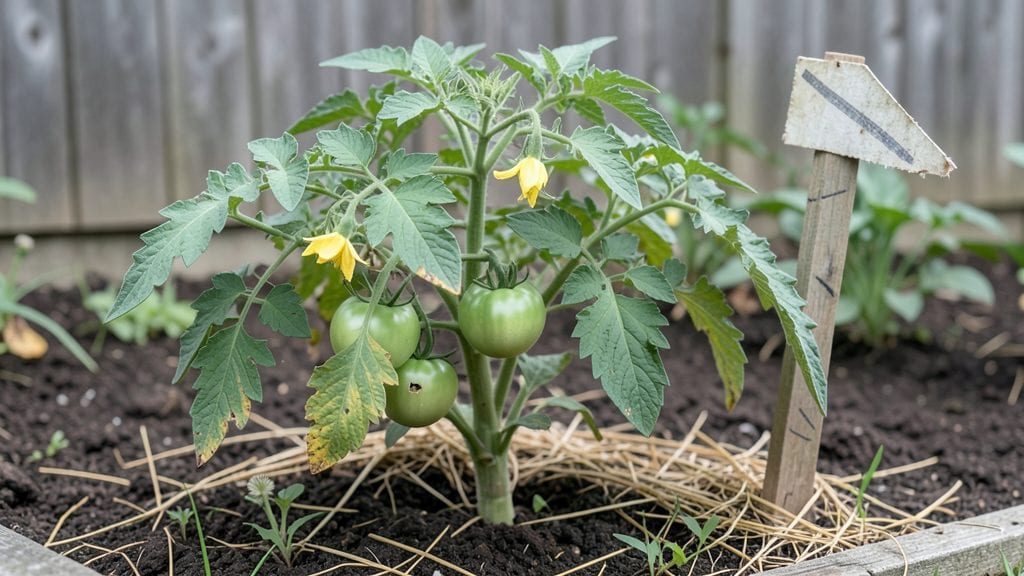
How much sun for a vegetable garden depends on your crops, but most need at least 6-8 hours daily—though some thrive with less.
Struggling to decide where to plant your tomatoes, peppers, or leafy greens? The right amount of sunlight can mean the difference between a thriving vegetable garden and one that barely survives. But how do you know exactly how much sun each plant needs—and how to balance them in limited space?
In zone 6, spring planting (March-May) means early sun exposure is critical, while fall crops (August-September) get fewer daylight hours. I’ll break down which vegetables thrive in full sun, which tolerate partial shade, and how to adjust your garden layout for maximum yield—without burning your plants.
You’ll learn how to read your garden’s sunlight patterns, spot signs of over- or under-exposure, and pair plants strategically to make every square foot count—even in small spaces.

Sunlight requirements by vegetable type: full sun vs partial shade breakdown
Most gardeners assume all vegetables need full sun—but that’s a common misconception. Some thrive in partial shade, while others bolt or wilt under too much sun. Understanding these differences ensures your garden produces maximum yields without wasted space or struggling plants.
For example, tomatoes and peppers demand 6-8 hours of direct sun, while leafy greens like spinach and lettuce prefer 3-5 hours. Even shade-tolerant plants like kale can suffer if planted in deep shade. Let’s break down the exact sunlight needs for your garden’s most popular vegetables.
⚠️ Pro Tip: Always measure sunlight in your garden’s actual growing season—summer shadows can differ dramatically from spring or fall light patterns. Use a sunlight tracker for 2-3 weeks to get accurate data.
🌱 Did You Know? Some vegetables, like green beans or radishes, can actually overheat in full sun during peak summer, leading to bitter flavors or poor germination. Balance is key!
Many gardeners mistakenly think all vegetables fall into the full sun category, but this leads to wasted space and poor yields.
For instance, planting basil in deep shade will result in weak stems and fewer leaves, while carrots grown in too much sun may become woody and bitter.
If your garden has limited sunlight, prioritize shade-tolerant varieties like arugula or bok choy. These thrive with just 2-4 hours of sun and can be interplanted with taller full-sun crops like tomatoes to maximize vertical space.
For container gardening, choose compact varieties of sun-loving plants (e.g., cherry tomatoes) and place them in south-facing pots. Rotate containers every few weeks to ensure even light exposure, especially in small urban gardens.
Watch for visual cues like yellowing leaves (too much sun) or stretched, pale stems (too little sun). Adjust plant placement mid-season if you notice these signs—your garden’s microclimate might surprise you!
🌿 Actionable Tip: Use reflective surfaces like white gravel or light-colored mulch near partial-shade plants to bounce extra light onto their leaves. This can boost growth by up to 20% in low-light areas.
How to measure sunlight in your garden: DIY tools and pro tips
Measuring sunlight accurately is the secret to a productive vegetable garden. Without precise data, you might accidentally place your tomatoes in partial shade or your leafy greens in full sun, leading to poor yields.
The good news? You don’t need expensive tools—just a few simple techniques and a little patience to get it right.
Start by observing your garden’s sunlight patterns over at least 7-10 days, since weather changes can drastically affect exposure. Use a sunlight journal or even your phone’s timer to track how long each spot gets direct rays. This method ensures you’re not guessing—just measuring.
- 🌱 Full Sun Plants (6+ hours): Tomatoes, peppers, eggplants, and corn thrive with 6-8+ hours of direct sun. Place them in the sunniest spots—usually south-facing areas in the Northern Hemisphere.
- 🌿 Partial Sun Plants (3-6 hours): Vegetables like beans, carrots, and beets need 3-6 hours of sun. These are perfect for morning sun or dappled shade spots near taller plants.
- 🌳 Shade-Tolerant Plants (2-3 hours): Leafy greens like lettuce, spinach, and kale do best with 2-3 hours of sun. These can handle afternoon shade or even filtered light under trees.
- ☀️ DIY Shadow Test: Place a stake or ruler in your garden at solar noon (around 12 PM). Measure the shadow every hour—6+ inches of shadow = full sun, 6-12 inches = partial sun, 12+ inches = shade.
- ⏰ Seasonal Adjustments: Summer sun is intense but short, while winter sun is longer but weaker. Adjust plant placement every 3 months to match seasonal light changes.
One common mistake is assuming all sunny spots are equal. For example, a west-facing garden gets hot afternoon sun, which can scorch delicate greens like basil. Instead, place heat-sensitive plants in east-facing beds for gentler morning light.
For container gardens, use a sunlight calculator app to map your balcony or patio’s exposure. These tools account for nearby buildings, trees, and even your home’s shadow. Pro tip: Move containers seasonally—what’s full sun in summer might become partial shade in winter.
Finally, watch your plants for signs of sun stress (yellowing leaves, wilting) or shade deficiency (leggy stems, pale leaves). Adjusting placement based on real-time feedback ensures your garden stays balanced and productive all season long.