Planting
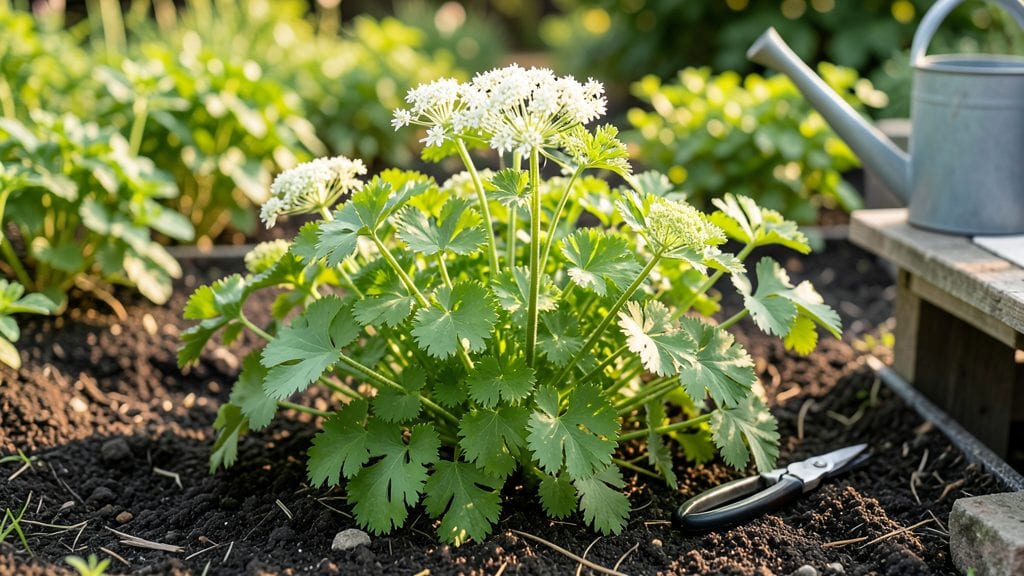
Transform your cilantro plant garden into a thriving kitchen staple in just 3-4 weeks—no nursery needed, just fresh seeds and a little patience. 🌱 I’ve grown cilantro for years, and the secret isn’t fancy soil or... expensive tools—it’s timing, shade, and a little patience to keep it from bolting before you get to harvest.
The first time I pulled fresh leaves for tacos, I never went back to store-bought again.
You’ll need a sunny spot with partial shade (cilantro hates scorching heat), well-draining soil, and a container or garden bed with at least 6 inches of depth. Scatter seeds ¼-inch deep, 1-2 inches apart, and keep them moist until sprouts appear in 5-10 days.
The key to fast growth is consistent moisture—neither soggy nor bone-dry—and a light hand with fertilizer (too much makes it bolt early).
By week 4, you’ll be snipping lush, fragrant leaves for salsas, soups, or garnishes—bolting be damned. The trick to keeping it productive? Harvest outer leaves first, avoid overwatering, and plant a second batch every 2-3 weeks for a continuous supply.
My cilantro patch stays green all summer long, thanks to a little shade cloth and regular trimming.
Works perfectly in containers, raised beds, or alongside tomatoes, peppers, and beans. Once you master this, you’ll wonder why you ever bought cilantro in bags. Let’s get those seeds in the ground!
📚 In This Guide
- What you need
- Instructions
- Tips and common mistakes
- Wrapping up and next steps
What you need
- ● Cilantro seeds: 1–2 packets (about 50–100 seeds per packet). Choose organic or heirloom varieties like Santo or Calypso for best results.
- ● Containers or garden bed: Pots: 6–12-inch deep containers (3–4 plants per 12-inch pot). Ensure they have drainage holes!
- ● In-ground: Full-sun spot (6+ hours of sunlight daily) with well-draining soil.
- ● Potting mix: 1–2 bags of high-quality, organic seed-starting mix (sterile and light). Avoid garden soil—it can harbor pests!
- ● Watering can or spray bottle: With a fine rose attachment for gentle watering.
- ○ Fertilizer (optional but helpful): Balanced liquid fertilizer (e.g., 10-10-10) or compost tea for organic growth.
- ● Slow-release granular fertilizer (like Osmoote) for long-term nourishment.
- ● Grow lights (if starting indoors before the last frost).
- ● Row covers or shade cloth (to protect from pests or hot sun).
- ● Pruning shears (for harvesting and shaping plants).
- ● Mulch (straw or shredded leaves) to retain moisture and suppress weeds.
- ● pH test kit (ideal soil pH for cilantro: 6.2–6.8).
Step-by-Step instructions for growing cilantro from seed to snip
Here’s the quick, foolproof method I use to grow cilantro fast—no more waiting weeks for slow starts.
🌱 Step 1: Prepare Soil and Plant Seeds Directly
Cilantro grows fastest when planted directly in the garden or containers, so skip the seed-starting tray. Use the 3 gallons of potting mix (or garden soil amended with 1 cup compost) and work it until it’s loose and crumbly. Cilantro hates compacted soil—roots need air to breathe for quick growth.
Scatter the 1 packet of cilantro seeds (about ½ teaspoon) over the surface, spacing them ½ inch apart. Press them lightly into the soil with your fingers—just enough to make contact. Don’t bury them deeper than ¼ inch, or they’ll take forever to sprout. Water gently with a spray bottle until the soil is damp but not soggy.
💧 Step 2: Keep Soil Consistently Moist for Germination
Cilantro seeds germinate fastest in cool soil (60–70°F) and need steady moisture. Water once daily with ½ cup of water until seedlings appear—usually 5–10 days. If the soil dries out, seeds may not sprout at all. You’ll know it’s right when the surface feels damp but not wet.
Once sprouts emerge, reduce watering to every 2–3 days, giving ½ cup per plant each time. Overwatering causes the roots to suffocate, and underwatering makes leaves bitter. The goal is even moisture—not drenched, not dry.
☀️ Step 3: Provide Partial Shade Until Established
Young cilantro plants bolt (go to seed) quickly in hot sun, so protect them until they’re 3–4 inches tall. Place pots in morning sun with afternoon shade, or use a shade cloth if growing outdoors in summer. You’ll see leggy, pale stems if they’re getting too much heat—this is your cue to move them.
After 2–3 weeks, when plants have 4–6 true leaves, gradually introduce full sun (6+ hours daily). Cilantro thrives in moderate sunlight—too much heat sends it to seed fast, but too little slows growth. Watch for bright green, bushy leaves—that’s your sign it’s happy.
✂️ Step 4: Harvest Outer Leaves for Continuous Growth
Ready to snip in just 4–6 weeks! Cut the outer leaves first, leaving the inner stems intact. This encourages bushier regrowth instead of letting the plant bolt. Harvest in the morning when oils are most concentrated—leaves taste strongest then.
If the plant starts flowering (bolting), trim the seed stems immediately to redirect energy back to leaf production. You’ll get 3–4 harvests per season this way, with fresh cilantro ready in record time. Just keep the soil moist and the shade on during heatwaves!
Tips & tricks for fast-growing cilantro plants
Fast cilantro growth starts with these key tricks that cut down on waiting time and prevent common pitfalls.
Soil Aeration Secret: The 3 gallons of potting mix should be fluffed until it resembles crumbled cake—cilantro roots need oxygen to grow quickly. If your soil feels dense, mix in an extra ½ cup of perlite to improve drainage and prevent waterlogging, which can stunt growth. I learned this the hard way after watching seedlings rot in compacted soil.
Germination Speed Hack: Place your planted seeds on a heat mat set to 70°F to mimic ideal germination conditions. This can shave 2-3 days off the 5-10 day germination window mentioned in Step 2. Just be sure to remove the heat source once sprouts appear to prevent leggy growth. The key is maintaining that 60-70°F range consistently.
Shade Strategy: For the partial shade in Step 3, I recommend using a lightweight shade cloth with 30-50% coverage instead of moving pots around. This gives you more control over light exposure and prevents the stress of transplanting young plants. You'll know your shade is working when you see compact, dark green leaves rather than the pale, stretched stems that signal too much sun.
Harvesting Technique: When harvesting outer leaves in Step 4, use clean, sharp scissors to avoid crushing stems. I like to snip just above a leaf node where new growth is already visible—this encourages bushier regrowth. For maximum flavor, harvest in the morning after the dew has dried but before the sun gets too intense, as this is when essential oils are most concentrated.
Pro Tips for Cilantro Plant Garden
- Fast cilantro growth starts with these key tricks that cut down on waiting time and prevent common pitfalls.
- Soil Aeration Secret: The 3 gallons of potting mix should be fluffed until it resembles crumbled cake—cilantro roots need oxygen to grow quickly.
- Germination Speed Hack: Place your planted seeds on a heat mat set to 70°F to mimic ideal germination conditions.
Frequently asked questions
Got questions about growing cilantro in your garden?
You’re not alone! Here are some of the most common queries—and their easy, actionable answers—to help you cultivate fresh, flavorful cilantro like a pro.
How long does it take for cilantro to grow from seed?
Cilantro is a fast grower! With the right conditions, you’ll see sprouts in 5–10 days, and harvest-ready leaves in just 3–4 weeks after planting. For a continuous supply, sow seeds every 2–3 weeks—this prevents bolting (when it flowers and tastes soapy).
Can cilantro survive frost? What’s the best time to plant?
Cilantro is cold-hardy and thrives in cooler weather—perfect for early spring or fall gardens! Plant seeds 2–4 weeks before your last frost date (Zone 2–11) for best results. Avoid planting in hot summer months (above 80°F/27°C), as it’ll bolt quickly. For year-round harvests, try slow-bolt varieties like ‘Santo’ or ‘Calypso.’
Why does my cilantro taste bitter or soapy?
Bitter or soapy flavors usually mean your cilantro is bolting (flowering) due to heat, drought, or overmaturity. To prevent this:
- Harvest leaves frequently (pinch stems to encourage bushier growth).
- Keep soil consistently moist (not soggy!).
- Use shade cloth (30–50%) in hot climates.
- Try container gardening for easier temperature control.
If it’s already bolted, harvest the leaves and stems before flowers open—they’re still edible (just milder).
What can I plant with cilantro to improve growth?
Cilantro loves companion plants that share similar needs (moisture, partial shade) and deter pests. Pair it with:
- Leafy greens (lettuce, spinach, kale)—they thrive in the same conditions.
- Carrots—cilantro’s scent repels carrot flies.
- Tomatoes—cilantro deters hornworms (a tomato pest!).
- Avoid planting near dill or fennel (they’re cilantro’s “cousins” and can cross-pollinate or stunt growth).
For a no-fuss setup, grow cilantro in a dedicated pot with basil or parsley.
What’s the best alternative if cilantro won’t grow in my climate?
If cilantro struggles in your area (too hot, humid, or prone to bolting), try these flavorful substitutes:
- Coriander leaves (same as cilantro!)—just harvest before seeds form.
- Parsley (flat-leaf for a brighter taste)—hardier and slower to bolt.
- Chives or green onions—add a mild onion-cilantro hybrid flavor.
- Mexican tarragon (a cilantro-like herb with a citrusy kick).
- Store-bought cilantro—buy organic bunches and keep them fresh in a jar of water (like flowers!).
Pro tip: Freeze cilantro in ice cubes for cooking—it retains flavor better than drying!
Wrapping up and next steps
Growing your own cilantro plant garden is a rewarding journey that brings fresh, flavorful herbs right to your kitchen! Whether you're a beginner or a seasoned gardener, this fast-growing herb thrives with just a little care—think sunshine, water, and patience.
Now that you know the ins and outs, it’s time to roll up your sleeves and get planting!
Ready to take the next step? Start small with a few seeds, experiment with containers, and soon you’ll be harvesting bright, zesty cilantro for tacos, soups, and salads. Happy growing—your taste buds will thank you! 🌱✨