
Tools
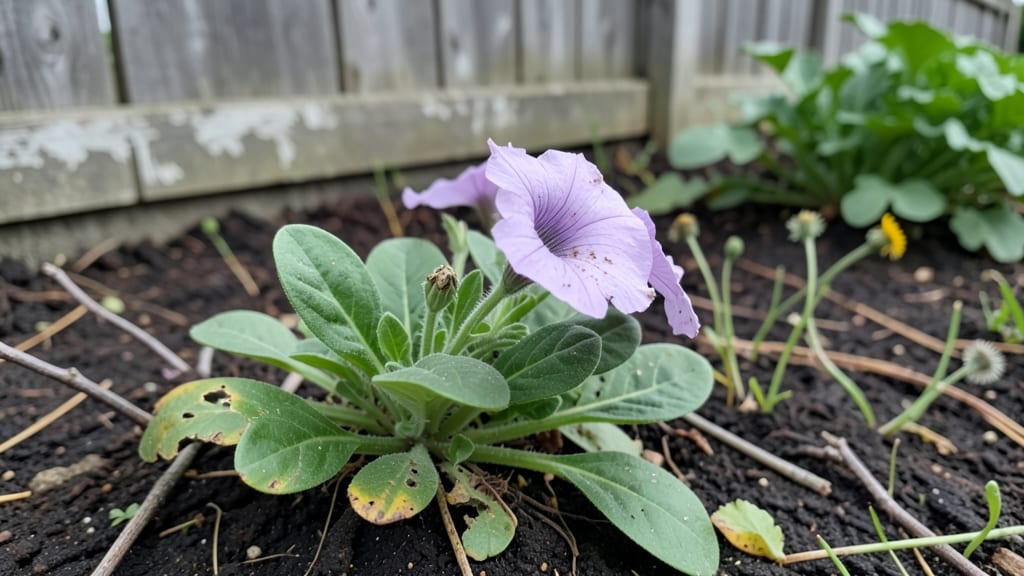
Creating a pet-friendly garden means selecting safe plants, eliminating hazards, and designing spaces that keep animals protected and comfortable. Always avoid lilies, oleander, and sago palms, which are deadly to pets.
Your garden can be a safe haven for pets when you focus on their needs first. 🌿 Start by replacing toxic plants with pet-safe alternatives like spider plants or cat grass, which are non-toxic and even beneficial.
I’ve found that adding mulch alternatives—such as cypress mulch instead of cocoa bean hulls—can prevent accidental ingestion while keeping the soil healthy. For extra safety, designate a shaded area with fresh water and consider raised beds to protect small pets from digging hazards.
Beyond plants, secure tools, fertilizers, and chemicals in locked sheds or containers.
Pets are naturally curious, so even items like slug bait or rodent poison can be deadly if ingested. 🚫 A quick tip: train your pets to stay out of certain areas using positive reinforcement—treat them when they obey commands like "stay" or "leave it."
This builds trust and keeps them away from potential dangers.
💡 In This Article
- Toxic Plants to Avoid in Pet Gardens
- Designing a Pet-Safe Garden Layout
Toxic plants to avoid in pet gardens
Some garden plants contain compounds that can cause serious illness or even death in pets. Azaleas and rhododendrons, for example, contain grayanotoxins that disrupt nerve function, leading to vomiting, drooling, and weakness within 2-12 hours of ingestion. Cats are particularly vulnerable because their livers metabolize toxins more slowly than dogs.
Foxglove plants, with their distinctive bell-shaped flowers, contain cardiac glycosides that can cause irregular heartbeats, seizures, and respiratory failure in as little as 15 minutes after consumption.
The visual cues for these dangers are often subtle but critical. Azaleas have glossy, dark green leaves with clusters of pink or white flowers, while foxglove features tall spikes of purple or white blooms.
Mushrooms, another hidden risk, can appear as harmless as 1-inch wide caps with red or orange hues—but some contain amatoxins that destroy liver cells within 6-24 hours. The key is recognizing these traits: shiny leaves, unusual flower shapes, or brightly colored berries should raise red flags.
Symptoms of poisoning vary by plant but often include excessive drooling, lethargy, and abdominal pain. In severe cases, pets may experience tremors or collapse. What most people don’t realize is that even small amounts of certain plants—like 0.1 ounces of oleander leaves—can be fatal to a 10-pound dog.
The toxicity mechanism often involves organ failure: lilies, for instance, trigger acute kidney injury by damaging tubular cells within 36-72 hours of ingestion.
Here’s what’s actually happening chemically: Many toxic plants contain alkaloids or glycosides that interfere with cellular respiration. For example, sago palms release cycasin, which breaks down into a compound that attacks liver mitochondria—essentially starving cells of energy.
The result? Liver failure that progresses rapidly. 🌿 This is why immediate veterinary care is critical: early treatment with activated charcoal can prevent absorption of up to 60% of ingested toxins if administered within 2 hours.
Beyond the obvious risks like lilies, other common garden plants pose hidden dangers. English ivy, with its heart-shaped leaves, contains saponins that cause gastrointestinal distress, while sweet peas emit hydrogen cyanide when chewed.
The science behind this involves cyanide’s ability to block cellular oxygen use—a process that can lead to coma within 30 minutes in severe cases. Always check the ASPCA’s toxic plant database before adding new flora to your garden.
For visual learners, here are the top 3 warning signs to spot toxic plants:
- Shiny, waxy leaves: Often indicates high moisture content and toxic compounds (e.g., azaleas)
- Brightly colored berries: Red or orange berries frequently contain cyanogenic glycosides (e.g., bittersweet nightshade)
- Unusual flower shapes: Bell-shaped blooms (foxglove) or clustered spikes (oleander) are classic red flags
Remember: Pets explore with their mouths, so the safest approach is prevention. Replace high-risk plants with pet-safe alternatives like sunflowers or catnip, and always supervise outdoor time. 💛