
Companion Plants
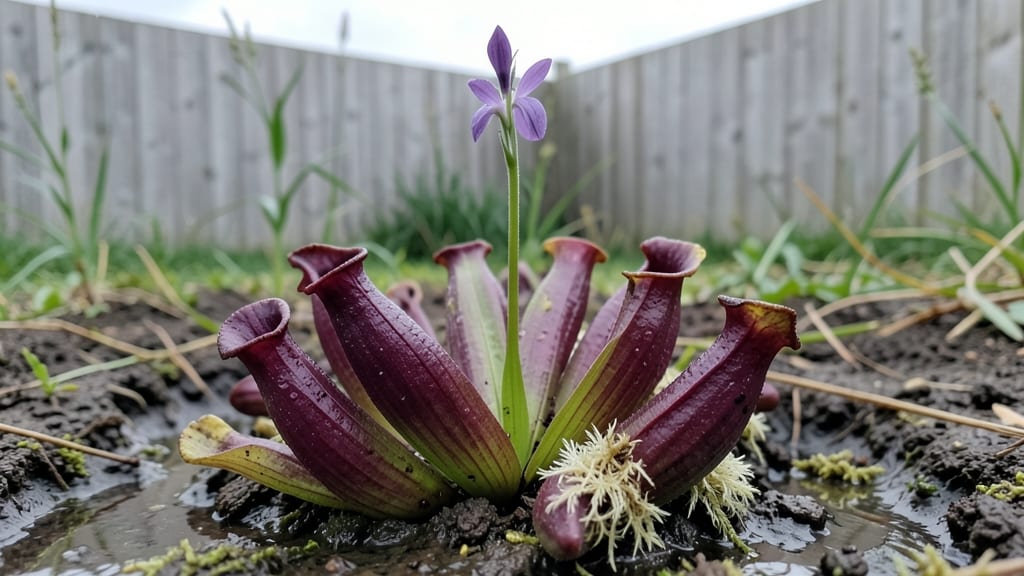
Your soggy backyard could be a lush paradise with the right boggy garden plants—these moisture-loving varieties don’t just survive wet soil, they thrive in it. 💚 I’ve spent years transforming soggy patches into vibrant wetlands, and the secret isn’t draining the water—it’s choosing plants that want to drink it all up.
The right species turn standing water into an asset, not a problem.
Native picks like cattails, pickerelweed, and blue flag iris handle waterlogged conditions like pros, while non-natives such as water lilies, swamp milkweed, and sweet flag bring bold color and texture. The key is matching plants to your soil’s moisture level—some handle temporary saturation, while others need permanent wet feet.
I’ll show you how to pair them with simple soil tweaks (like compost or sand) to keep roots happy.
You’ll end up with a garden that stays lush and green even after heavy rains, plus a haven for pollinators and wildlife. No more muddy messes—just vibrant foliage, striking blooms, and a space that feels alive year-round. Ready to turn your soggy spot into a showstopper?
Works for rain gardens, pond edges, or any area where water pools. Here’s how to pick the perfect plants for your soggy soil—no guesswork, just results.
📚 In This Guide
- What you need
- Instructions
- Tips and common mistakes
- Wrapping up and next steps
What you need
- ● Moisture-loving plants: 3–5 varieties (e.g., Calla lilies, Canna lilies, Hostas, Mints, Sedges, or Water hyacinths for ponds).
- ● Well-draining soil amendments: Peat moss (1–2 bags, 2–3 cubic feet each)
- ● Compost (1 bag, 40 lbs)
- ● Perlite or coarse sand (1 bag, 50 lbs)
- ● Drainage solutions: French drains or corrugated pipes (if needed, 5–10 ft length)
- ● Landscape fabric (1 roll, 4 ft wide)
- ● Mulch: Pine bark or straw (1–2 bags, 2–3 cubic feet each)
- ● Garden tools: Trowel (1)
- ● Garden fork (1)
- ● Pruners (1 pair)
- ○ Wheelbarrow (optional, for hauling soil)
- ● Rain garden kit: Pre-made soil mixes designed for wet areas (check local garden centers).
- ● Plant markers: Stakes or labels (10–20) to track varieties.
- ● Water testing kit: To monitor soil pH/moisture (especially for acid-loving plants like Azaleas).
- ● Solar-powered pond pump: For water features (if incorporating aquatic plants).
- ● Knee pads or gloves: For comfort during planting!
Step-by-Step guide to designing a thriving bog garden
Creating a lush, water-loving garden starts with the right plants—here’s how to build a resilient, moisture-rich landscape.
🌱 Step 1: Select Plants Adapted to Wet Conditions
Choose native or wetland-adapted species that naturally thrive in 6+ inches of standing water or consistently damp soil. My top picks include cattails (with their iconic feathery plumes), soft rush (a grass-like groundcover), water iris (for bold foliage and striking blooms), and swamp milkweed (essential for pollinators). These plants not only survive soggy soil but also purify water by filtering excess nutrients.
If your site floods seasonally, prioritize deep-rooted perennials like pickerelweed or blue flag iris, which anchor themselves and prevent erosion. Avoid garden center plants labeled "moisture-tolerant"—many still struggle in true bog conditions. Instead, source from specialty nurseries that specialize in wetland species.
🪴 Step 2: Prepare the Soil for Optimal Moisture Retention
Test your soil’s drainage by digging a 12-inch-deep hole and filling it with water. If it drains within 4 hours, your site is too dry—amend with 2 inches of peat moss mixed into the top 6 inches of soil. For clay-heavy areas, blend in 1 part sand to 3 parts soil to improve aeration without compromising moisture.
Line the planting area with landscape fabric to block weeds while allowing water to seep through. Top with 3–4 inches of organic mulch (like shredded bark or pine needles) to insulate roots and maintain humidity. This layer also prevents soil compaction from foot traffic—a common issue in bog gardens.
☀️ Step 3: Plant Strategically for Sun and Water Flow
Group plants by their sunlight requirements: shade-tolerant species like swamp azalea belong at the north or west edges, while sun-lovers such as cardinal flower thrive in the center. Space them 18–36 inches apart, depending on mature size, to allow airflow and reduce fungal risks. I plant taller varieties (like Joe Pye weed) toward the back to avoid shading shorter plants.
Create gentle slopes or berms to guide water flow naturally. Avoid flat areas where water pools stagnantly—this invites mosquito breeding and root rot. Instead, design subtle contours that funnel excess moisture toward a central wetland basin or overflow drain. Test your layout by simulating rainfall with a hose before planting.
💧 Step 4: Maintain Consistent Moisture Without Overwatering
Once established, bog plants rarely need supplemental watering—they’re designed to handle natural rainfall. However, during prolonged dry spells (more than 7–10 days without rain), top-dress the soil with 1 inch of mulch to retain moisture. Never let the soil dry out completely, as this stresses roots and invites invasive weeds.
Monitor for yellowing leaves, a sign of either too much or too little water. If leaves appear limp but the soil is soggy, your plants may need better drainage. Conversely, crispy edges signal underwatering—amend with a 1-inch layer of compost to boost moisture retention. Fertilize lightly in early spring with a balanced, slow-release formula (10-10-10) to support growth without encouraging excessive leafy topgrowth.
✂️ Step 5: Prune and Divide for Long-Term Health
Deadhead spent blooms in late summer to redirect energy into root growth, but leave seed heads on native perennials to support local wildlife. In early spring, trim back overwintered foliage (like cattails) by one-third to encourage fresh, vigorous shoots. Avoid cutting into old growth—this removes stored nutrients the plant needs to rebound.
Divide clumping plants like swamp milkweed every 3–4 years in early spring or fall. Dig up the root ball, separate into 3–5 inch sections with a clean knife, and replant immediately. This rejuvenates the parent plant and gives you free propagation material. Always replant divisions at the same depth they grew originally.
Tips & tricks for perfect bog garden planting
Transforming a soggy spot into a thriving wetland haven takes more than just tossing in some plants—here’s how to ensure your bog garden stays lush and resilient.
Plant Selection Wisdom: When choosing your cattails, water iris, or swamp milkweed, prioritize plants with natural water-purifying properties. For example, pickerelweed and blue flag iris not only handle 6+ inches of standing water but also filter excess nutrients that can cause algae blooms in nearby water sources. I always double-check plant tags for the phrase "wetland-adapted"—this guarantees they won’t just tolerate moisture but thrive in it.
Soil Test Hack: That 4-hour drainage test in Step 2 is your secret weapon. If water disappears too quickly, your soil needs the 2 inches of peat moss mixed into the top 6 inches—this creates a sponge-like layer that holds moisture while still allowing oxygen to reach roots. For clay-heavy areas, the 1:3 sand-to-soil ratio prevents compaction without sacrificing moisture retention. Pro tip: Test multiple spots in your garden—soil composition can vary dramatically even within a small area.
Water Flow Design: The subtle slopes and berms mentioned in Step 3 aren’t just decorative—they’re functional. I’ve seen too many bog gardens fail because water pooled in flat areas, creating stagnant zones that breed mosquitoes and rot roots. Create a central wetland basin as your focal point, then design gentle contours to funnel excess water toward it. Before planting, simulate rainfall with a hose to identify any potential low spots that might need adjustment.
Long-Term Maintenance Strategy: The 3–4 year division schedule for swamp milkweed might seem arbitrary, but it’s based on how fast these plants deplete soil nutrients. When you divide, keep those 3–5 inch root sections intact—broken roots take years to regenerate. And here’s a little-known trick: Save some of the divided sections to create new bog gardens elsewhere. Just be sure to replant at the same depth they grew originally to avoid shocking the roots.
Pro Tips for Boggy Garden Plants
- Transforming a soggy spot into a thriving wetland haven takes more than just tossing in some plants—here’s how to ensure your bog garden stays lush and resilient.
- Plant Selection Wisdom: When choosing your cattails, water iris, or swamp milkweed, prioritize plants with natural water-purifying properties.
- Soil Test Hack: That 4-hour drainage test in Step 2 is your secret weapon.
Frequently asked questions
Which plants tolerate wet soil the best?
Native bog plants like Caltha palustris (marsh marigold), Carex sedges, and Iris pseudacorus (yellow flag iris) are top picks. For shadier spots, try Gunnera manicata (giant rhubarb) or Hosta varieties. Always check your climate zone—some plants prefer cooler, wetter conditions!
When is the best time to plant boggy garden varieties?
Spring or early fall is ideal for most moisture-loving plants. Avoid planting in winter (unless it’s a frost-hardy perennial) or during peak summer heat. Give roots time to establish before heavy rains or cold snaps hit. Pro tip: Amend soggy soil with compost or peat moss to improve drainage slightly!
What if my garden stays too wet year-round?
If water doesn’t drain within 24–48 hours, consider raised beds or containers with drainage holes. For severe cases, install a French drain or plant in a natural depression where water naturally pools. Skimmia japonica or Astilbe can handle occasional standing water—just avoid root rot by monitoring soil.
Can I grow flowers in a boggy garden?
Try Lobelia cardinalis (cardinal flower), Mentha aquatica (water mint), or Primula denticulata (cowslip) for vibrant blooms. Just ensure they get enough sunlight (most need 4+ hours daily) and avoid overcrowding. Bonus: Wetland flowers attract pollinators like bees and butterflies!
What plants should I avoid in wet soil?
Stick to drought-tolerant plants like lavender, rosemary, or succulents in boggy areas—they’ll struggle and may rot. Even some perennials (e.g., Salvia or Echinacea) prefer well-draining soil. When in doubt, research a plant’s USDA wetland indicator status for guidance.
Still stumped?
Drop your specific soil or plant concerns below—we’re happy to help you design a soggy-soil sanctuary!
Wrapping up and next steps
Transforming your soggy garden into a lush, thriving space is easier than you think! With the right boggy garden plants, you can turn wet soil into a vibrant oasis that’s both beautiful and functional.
From hardy carex grasses to striking ligularia, these moisture-loving varieties not only survive but flourish in conditions that challenge other plants.
Ready to take the next step? Start small—plant a few of these resilient stars in your wettest spots, and watch your garden bloom with confidence. 🌿 Before you know it, you’ll be the envy of the neighborhood with a garden that’s as tough as it is stunning!