
Pests
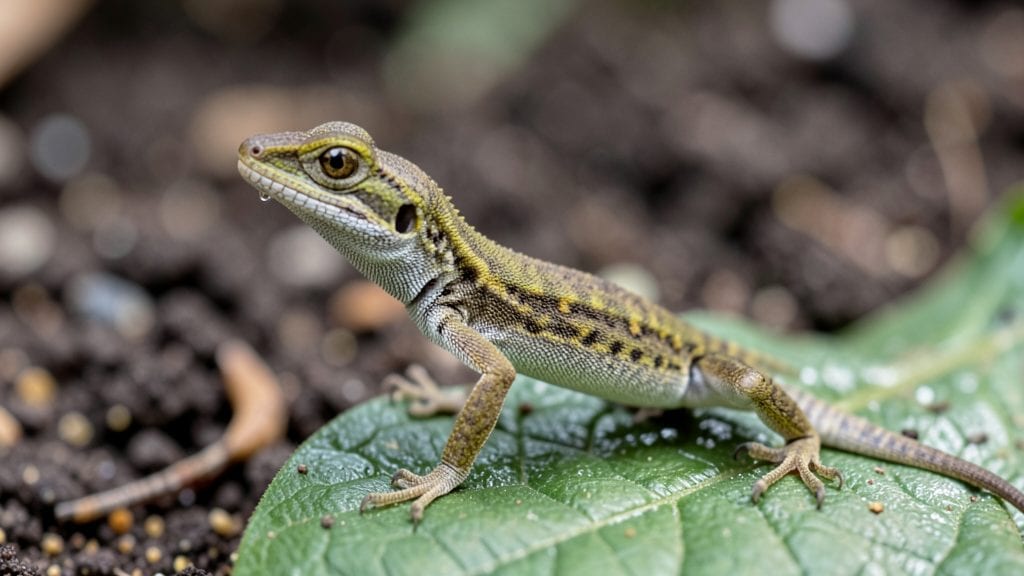
Identifying common garden lizards means spotting species like anoles, skinks, and fence lizards in sunny, plant-filled areas where they hunt insects. These beneficial reptiles often wander indoors seeking shelter or food, so look for their sleek bodies, smooth scales, and lightning-fast movements before gently relocating them outside.
These small reptiles play a crucial role in your garden by keeping pest populations in check—think mosquitoes, spiders, and even small beetles. 🌿 Many homeowners mistake them for pests themselves, but their presence actually signals a healthy ecosystem.
The key to peaceful coexistence is recognizing their non-aggressive nature: they rarely bite and prefer to flee when threatened. If you spot one indoors, simply guide it toward an open door with a cup and paper—no need for traps or harm.
What sets them apart from snakes or insects is their ability to thrive in both wild and suburban environments. For example, green anoles often bask on fences or walls, while skinks may burrow near mulch piles.
Understanding their habits helps you create a lizard-friendly yard while keeping them from becoming unwelcome houseguests.
💡 In This Article
- Identifying Common Garden Lizard Species by Region
- Humane Removal Methods for Garden Lizards
Identifying common garden lizard species by region
North American gardens host several distinct lizard species, each adapted to specific climates and ecosystems. The Eastern Fence Lizard (found east of the Rockies) typically measures 2-3 inches long with a blue-tinged throat in males during breeding season.
Its rough, granular scales and preference for sunny rock walls or fence posts make it easy to spot in southern states like Florida or Texas. In contrast, the Green Anole thrives in humid regions, displaying a bright green body with a pink or orange throat fan when threatened.
Coastal regions often feature the Common House Gecko, recognizable by its 1-2 inch length, round pupils, and distinctive toe pads that allow them to climb smooth surfaces. These nocturnal hunters prefer warm, tropical climates where they can feed on insects like mosquitoes and roaches.
Their vocalizations—a rapid chirping sound—often give them away at night. Meanwhile, skinks (like the Common Five-lined Skink) favor woodland edges and gardens with leaf litter, using their smooth scales and ability to detach tails as a defense mechanism.
The key to accurate identification lies in understanding habitat preferences shaped by climate. For instance, desert-dwelling species like the Western Whiptail have pale, sandy-colored scales that blend into arid landscapes, while rainforest anoles exhibit vibrant hues to signal toxicity to predators.
Temperature also influences behavior—lizards in cooler regions (50°F and below) become sluggish, whereas those in 80°F+ environments remain highly active. 🌵
Behavioral traits offer additional clues: fence lizards often bob their heads to communicate, while geckos use their tails to grip surfaces when startled. Green anoles display territorial "push-ups" during mating season, creating a telltale pattern of movement.
These visual and auditory cues, combined with scale texture (smooth vs. granular), help distinguish between species at a glance. For example, a lizard with keel-shaped scales along its back is likely a skink, whereas flat, overlapping scales suggest an anole.
Regional variations extend to diet: fence lizards in drier climates consume more plant matter, while their coastal counterparts rely heavily on insects.
This ecological specialization explains why you might spot a Blue-tailed Skink in California gardens but never see it in the southeastern U.S. Understanding these patterns helps gardeners create habitats that support native species without encouraging unwanted visitors.
A simple rock pile or log stack can attract beneficial lizards while keeping them outdoors where they belong.
One common misidentification involves distinguishing lizards from snakes. Look for movable eyelids and external ear openings—features snakes lack. Additionally, lizards' bodies are typically more cylindrical, while snakes appear elongated with no visible joints. This distinction is crucial for safe handling, as snakes often require professional removal. 🐍