
Tools
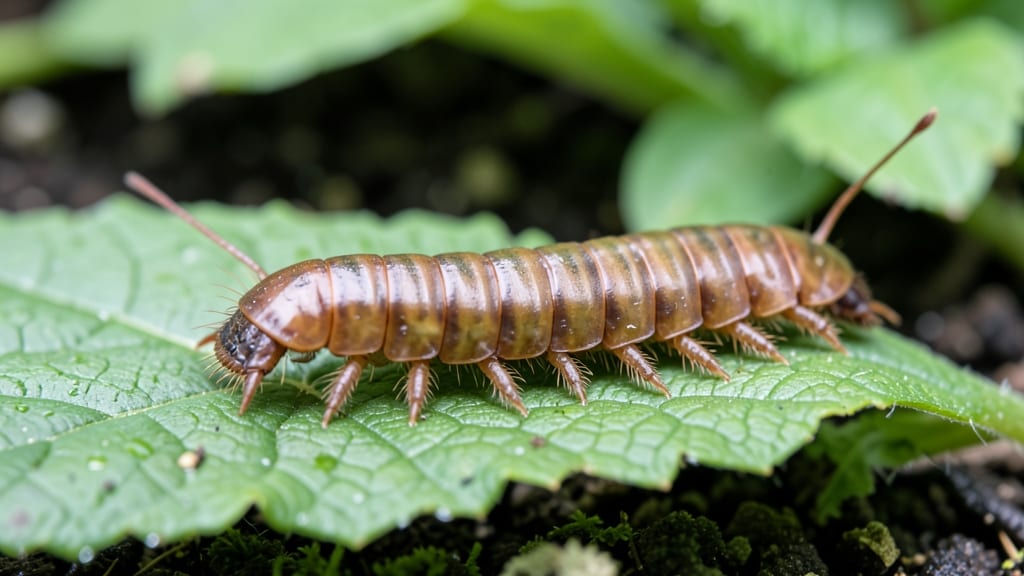
Millipedes in your garden aren't just creepy—they're sneaky plant destroyers that turn your soil into a buffet. 🌱 I’ve battled them for years, and these traps work without harming your garden’s ecosystem.
The key is understanding their behavior: they love damp, leafy debris and will roll up like little armored caterpillars when threatened.
You don’t need harsh chemicals—just a few simple tools like diatomaceous earth (food-grade), rolled-up cardboard traps, or even a shallow dish of beer (yes, really). Place traps near problem areas, like under mulch or near foundation plants where they gather.
Check them every 2-3 days and dispose of the trapped millipedes far from your garden.
The payoff? Within 2 weeks, you’ll see fewer slime trails on leaves and healthier roots. Millipedes break down organic matter, but when they overpopulate, they chew through young seedlings and leave behind a sticky mess. This method keeps them in check without disrupting beneficial insects like beetles or worms.
Works for vegetable gardens, flower beds, and even patios—just adjust trap locations based on where you spot their telltale trails. No more digging through soil to find them lurking. Let’s get them out of your garden for good.
What Draws Them Into Gardens
Millipedes may seem like harmless garden visitors, but their sudden appearance—especially in large numbers—can signal underlying issues. Understanding the root causes helps you address the problem effectively. Here’s why these many-legged critters invade your outdoor space:
Millipedes thrive in damp, humid environments, making your garden a prime target if:
- Overwatering creates soggy soil, mimicking their natural forest-floor habitat.
- Leaf litter, mulch, or compost piles provide shelter and food (decomposing plant material).
- Poor drainage traps excess moisture near roots, attracting them to feed on decaying roots and fungi.
Actionable fix: 💡 Reduce irrigation near plant bases, aerate compacted soil, and keep mulch at least 6 inches from stems to deter moisture buildup.
Millipedes are detritivores—they feast on:
- Decaying leaves, twigs, and plant debris (their favorite buffet).
- Fungal hyphae growing on organic matter (they need fungi for digestion).
- Living plants (especially seedlings or stressed plants with soft stems).
Actionable fix: ✨ Rake up leaf litter regularly, remove fallen fruit/vegetables, and avoid over-fertilizing, which can attract fungal growth.
Millipedes seek:
- Dark, humid spots under rocks, logs, or dense ground cover.
- Thick mulch layers (over 4 inches) that trap moisture and debris.
- Gaps in lawns or bare soil where they can burrow near roots.
Actionable fix: 🔥 Prune overgrown plants to improve airflow, store firewood away from garden edges, and replace thick mulch with a 2-inch layer of coarse material (like pine straw).
- Spring rains swell their populations as they emerge from winter hiding spots.
- Hot, dry summers force them to seek moisture in gardens (even if yours isn’t overly wet).
- Frost or drought stress in their natural habitats pushes them to migrate to more stable environments—like yours.
Actionable fix: ⏰ Monitor weather patterns and temporarily reduce irrigation if millipedes surge after rain. Use drip irrigation (instead of overhead) to minimize soil saturation.
Millipedes often hide in:
- Newly purchased plants (especially perennials or bare-root stock).
- Potting soil or compost brought in from nurseries or garden centers.
- Firewood or garden tools stored near infested areas.
Actionable fix: 👨🍳 Inspect plants before transplanting, quarantine new additions for 2 weeks, and clean tools with a 10% bleach solution to kill hitchhikers.
Neglect breeds millipedes. Areas with:
- Untrimmed grass or weeds create ideal hiding spots.
- Standing water (from clogged gutters or low spots) becomes a magnet.
- No predators (like birds, toads, or centipedes) left to keep populations in check.
Actionable fix: 🎯 Mow regularly, remove standing water, and encourage natural predators with birdhouses or a small pond.
Key Takeaway: Millipedes aren’t just random visitors—they’re responding to specific conditions in your garden. By targeting moisture, food, shelter, and seasonal triggers, you can make your space less appealing without harmful chemicals. 🚫💀
Practical Ways to Manage Garden Crawlers
Millipedes may seem harmless, but their presence in large numbers can damage plants, soil health, and even your garden’s aesthetic. The good news? You don’t need harsh chemicals to keep them in check.
Below are targeted solutions based on the root causes of their invasion—whether it’s moisture, decaying matter, or overcrowding—and how to address them effectively.
Millipedes thrive in moisture-rich environments, so if your garden retains excess water, they’ll stick around. Here’s how to dry things out:
- 🔥 Improve Drainage Amend heavy clay soil with organic matter like compost or coarse sand to help water drain faster. A well-draining garden is less inviting to moisture-loving pests.
- 🍳 Adjust Watering Habits Water deeply but less frequently—aim for early morning sessions to allow soil to dry between waterings. Avoid overhead sprinkling, which can create damp leaf litter where millipedes hide.
- 👨🍳 Use Mulch Strategically Opt for porous mulch like pine straw or shredded bark instead of thick layers of wood chips. These allow airflow while still suppressing weeds.
Millipedes feast on rotting leaves, logs, and compost piles. Reducing their food sources is the fastest way to discourage them:
- 🔪 Remove Organic Debris Regularly Rake up fallen leaves, trim dead plants, and clear away old mulch from garden beds. A tidy garden leaves them with no buffet.
- 🥘 Manage Compost Piles Properly Turn compost frequently and balance greens (nitrogen) with browns (carbon) to speed up decomposition. If millipedes are overwhelming your pile, consider relocating it to a covered bin with smaller air holes.
- ⏰ Schedule Seasonal Cleanouts In fall and spring, do a deep clean of garden beds. Remove old plant matter before it becomes a millipede magnet.
If millipedes are sneaking indoors, they’re likely using gaps in your home’s foundation or crawl spaces. Seal them up:
- 🛡️ Caulk Gaps in Foundation & Siding Use silicon caulk to seal cracks in basement walls, window frames, and door thresholds. Pay special attention to vent covers—millipedes can squeeze through tiny openings.
- 🪟 Install Fine Mesh Screens Cover ventilation openings, attic vents, and crawl space vents with 1/16-inch mesh (small enough to block millipedes but still allow airflow).
- 🌡️ Reduce Outdoor Humidity Near Entryways Use dehumidifiers in basements or crawl spaces, and keep gutters clean to prevent water pooling near your home’s foundation.
For a chemical-free approach, try these DIY solutions:
- 🍎 Citrus & Spice Barriers Millipedes dislike citrus peels, cayenne pepper, or crushed garlic. Sprinkle these around garden edges, patios, or entry points. Reapply after rain.
- 🪲 Beer Traps (Yes, Really!) Bury a shallow dish filled with beer near problem areas. Millipedes are attracted to the yeast and drown. Replace every few days.
- 🌿 Diatomaceous Earth (Food-Grade Only) Lightly dust food-grade diatomaceous earth (DE) around plants or entry points. It dehydrates millipedes but is safe for pets and plants when used correctly. Avoid using it on windy days.
Prevention is the best strategy. Here’s how to millipede-proof your garden:
- 🌿 Plant Millipede-Repelling Plants Some plants naturally deter millipedes, like lavender, mint, or marigolds. Plant them as borders around your garden beds.
- 🌡️ Monitor Soil Moisture with a Moisture Meter Keep soil slightly moist but not soggy (ideal for most plants). A moisture meter helps you adjust watering without guesswork.
- ✨ Encourage Natural Predators Birds, toads, and ground beetles eat millipedes. Create a welcoming habitat with rock piles, log borders, or a small pond to attract them.
- 🎯 Rotate Traps & Methods Millipedes can become resistant to single methods. Combine approaches (e.g., DE + beer traps + better drainage) for the best results.
By tackling the root causes—moisture, food sources, and entry points—you’ll create a garden that’s less appealing to millipedes while keeping your plants thriving. No chemicals, no fuss, just smart, sustainable control.
Frequently asked questions
Are millipedes actually harmful to my garden?
In small numbers, millipedes help break down organic matter—but large populations can damage seedlings and young plants by chewing through stems. Their sticky slime also coats leaves, reducing photosynthesis. The key is balance: they're beneficial in moderation but become pests when overpopulated.
Why do millipedes appear suddenly after rain?
Millipedes thrive in damp conditions, and heavy rain creates their ideal environment. They emerge from underground to feed on newly softened organic matter. After rain, check under mulch or dense ground cover—this is where they gather most. Reducing soil moisture helps prevent their overpopulation.
Will diatomaceous earth kill beneficial insects too?
Food-grade diatomaceous earth (DE) targets soft-bodied pests like millipedes while being safe for most beneficial insects when applied correctly. Use it in dry conditions only, and avoid spraying directly on bees or other pollinators. Apply a thin layer around plants, not on leaves.
Can millipedes damage wooden structures like deck railings?
While they primarily feed on plants and decaying matter, millipedes can contribute to wood rot by creating moist conditions. Their slime attracts fungi, which weakens wood over time. Keep decks dry, remove leaf litter, and use pressure-treated wood to prevent long-term damage.
How long does it take to see results from traps?
With consistent use, you should notice a reduction in millipede activity within 1-2 weeks. Beer traps and DE work fastest, while environmental changes (like improving drainage) take longer (4-6 weeks) but provide lasting prevention. Check traps daily for best results.