Pests
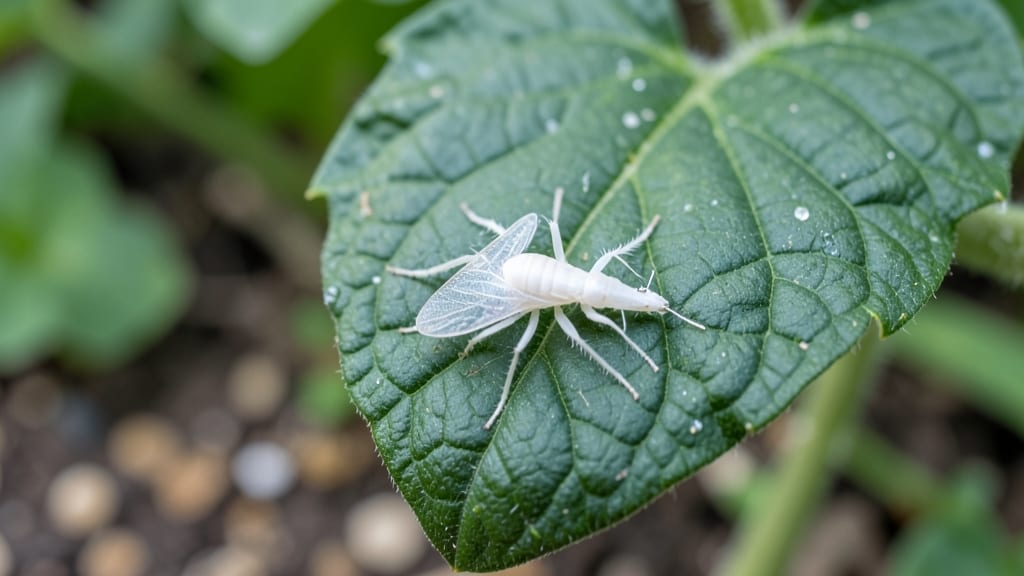
Whiteflies in your garden aren’t just annoying—they’re sucking the life out of your plants while you watch. 🌿 I’ve battled these tiny white pests, and the key to stopping them isn’t just spraying anything—it’s using the right organic solutions that actually work, not just mask the problem.
The damage starts small: leaves yellow, plants grow weak, and that sticky residue (called honeydew) attracts ants and sooty mold. Most store-bought sprays only kill what you see, but whiteflies hide on the undersides of leaves.
The real fix? Target their life cycle with neem oil, insecticidal soap, or even ladybugs that eat them alive.
You’ll see results within days—not weeks—if you hit them at the right time. A simple spray of neem oil disrupts their breeding cycle, while introducing beneficial insects creates a natural defense. The best part? These methods work for tomatoes, peppers, and even houseplants without harming your family or pets.
Prevention is easier than you think: reflective mulch confuses their flight patterns, and companion plants like basil or marigolds deter them. Once you’ve got the problem under control, these tricks keep your garden whitefly-free season after season.
Root Causes of Garden Whiteflies
Whiteflies may seem like tiny, harmless pests, but they can wreak havoc on your garden if left unchecked. Understanding why they invade is the first step to stopping them.
These sap-sucking insects thrive due to a mix of environmental, plant-related, and human factors. Let’s break down the key reasons they become a problem in your garden.
Whiteflies are drawn to plants that are already struggling. When plants are overcrowded, they compete for sunlight, water, and nutrients, weakening their natural defenses. Stress signals—like yellowing leaves, stunted growth, or wilting—attract these pests because they indicate an easy meal.
- Poor air circulation between plants creates a humid microclimate, which whiteflies love.
- Over-fertilization (especially with nitrogen) leads to soft, tender new growth—whitefly favorite snacking material.
- Drought or root damage weakens plants, making them more susceptible to infestations.
Actionable fix: Prune plants for better airflow, avoid heavy nitrogen feeds, and ensure consistent watering to keep foliage strong.
Whiteflies thrive in heat and humidity, which is why they’re often a problem in summer months or in greenhouses. Their life cycle accelerates in temperatures above 75°F (24°C), and they reproduce rapidly in moist conditions.
- Greenhouses and polytunnels act like incubators, trapping heat and humidity—perfect whitefly breeding grounds.
- Southern U.S. gardens (or tropical regions) provide ideal conditions year-round.
- Sudden heatwaves can trigger outbreaks if plants aren’t hardened off properly.
Actionable fix: Use shade cloth in peak sun, improve ventilation in greenhouses, and monitor humidity levels with a hygrometer.
Not all plants are equally appealing to whiteflies, but certain host plants act like a neon "Eat Me" sign. These pests have a preference for soft, succulent leaves, particularly in the Asteraceae (sunflower) and Solanaceae (tomato/pepper) families.
- Common whitefly magnets:
- Tomatoes 🍅
- Peppers 🌶️
- Eggplants 🍆
- Cassava 🌱
- Hibiscus 🌸
- Sweet potatoes 🍠
- Weedy hosts (like malva or purslane) can also harbor whiteflies and spread them to your prized plants.
Actionable fix: Remove infested plants immediately, rotate crops, and plant whitefly-repellent companions like marigolds, basil, or garlic nearby.
Whiteflies don’t just appear out of nowhere—they often hitch a ride or overwinter in your garden. If you’re not cleaning up properly, they can return year after year.
- Old plant debris (especially dried leaves) provides hibernation spots for pupae.
- Infested potted plants brought indoors (like houseplants) can reintroduce whiteflies after winter.
- Wind or water can carry tiny whitefly nymphs from nearby fields or gardens.
Actionable fix:
- Fall cleanup: Remove all plant debris, compost it away from your garden (not near it), and store pots indoors.
- Inspect new plants before bringing them home—quarantine them for a week.
- Use reflective mulch (like aluminum foil) to deter flying adults.
In a balanced ecosystem, whiteflies are kept in check by beneficial insects like ladybugs, lacewings, and parasitic wasps. But if your garden lacks biodiversity, whiteflies can explode in numbers.
- Overuse of broad-spectrum pesticides kills both pests and their natural enemies.
- Monoculture gardening (planting the same crops in rows) reduces habitat diversity.
- Urban or suburban gardens often have fewer predator species than wild or rural areas.
Actionable fix:
- Encourage pollinators & predators with native flowers, birdhouses, and bug hotels.
- Avoid chemical sprays—opt for neem oil, insecticidal soap, or kaolin clay instead.
- Release beneficial insects like Encarsia formosa (a whitefly-specific parasitoid wasp).
How to Fix Whitefly Infestations
Whiteflies may seem like a tiny, persistent nuisance, but with the right approach, you can reclaim your garden—without harsh chemicals. The key is to tackle the problem at its source while protecting your plants.
Below, we’ve mapped out practical, organic solutions based on the most common causes of whitefly outbreaks, plus prevention tips to keep them from returning.
Whiteflies thrive where plants are weak or packed too closely. Step up plant care to make your garden less inviting to them.
🍃 Prune & Space Plants Properly
- Trim back overgrown foliage to improve airflow—whiteflies love dense, shaded spots.
- Space plants 12–18 inches apart (check seed packet guidelines) to reduce humidity and stress.
- Remove heavily infested leaves (especially on the undersides) and dispose of them in a sealed trash bag.
💧 Adjust Watering Habits
- Water at the base (not overhead) to avoid dampening leaves, which attracts whiteflies.
- Avoid overwatering—soggy soil stresses plants, making them more vulnerable.
- Morning watering helps leaves dry faster, deterring pests.
🌱 Boost Plant Health Naturally
- Fertilize lightly with compost or a balanced organic fertilizer (like fish emulsion) to strengthen plants.
- Mulch around the base to retain moisture and regulate soil temperature.
- Rotate crops annually to prevent soil-borne stress and pest buildup.
Whitefly eggs and nymphs cling to leaf undersides, making them hard to spot. Physical removal is your first line of defense.
🧼 Soap & Water Spray (Safe & Effective)
- Mix 1 tbsp mild liquid soap (like Castile) + 1 quart water in a spray bottle.
- Spray directly on leaf undersides (where eggs/nymphs hide) until dripping.
- Repeat every 5–7 days until no more whiteflies appear.
- Pro Tip: 🌡️ Add a few drops of neem oil (½ tsp per quart) for extra pest-repelling power.
🧽 Yellow Sticky Traps
- Hang yellow sticky cards near infested plants—whiteflies are drawn to the color and get trapped.
- Check traps daily and replace when saturated (they’ll also catch beneficial insects, so use sparingly).
- Best for: Early detection and reducing adult populations.
🧹 Manual Removal for Heavy Infestations
- Wear gloves and inspect plants under bright light.
- Wipe leaves with a damp cloth or scrub with a soft brush to dislodge eggs/nymphs.
- Flush plants with a strong stream of water (early morning) to wash away pests.
Adult whiteflies spread quickly. Break their life cycle with these disruptors.
🕯️ Light Trap for Nighttime Hunters
- Place a white sheet or paper under a bright lamp (or hang a sheet over a light source).
- Whiteflies are attracted to light and will land on the sheet—shake them into soapy water in the morning.
- Best for: Large gardens or severe outbreaks.
🍃 Reflectors & Aluminum Foil
- Hang aluminum foil or reflective mulch near plants—whiteflies dislike shiny surfaces.
- Place foil strips vertically around the garden perimeter to confuse and deter them.
🌱 Introduce Beneficial Insects
- Ladybugs, lacewings, and parasitic wasps (like Encarsia formosa) devour whiteflies.
- Buy from garden centers or create a habitat (e.g., plant dill or fennel to attract ladybugs).
- Release in the evening when predators are most active.
Once you’ve eliminated an infestation, proactive steps will help prevent a comeback.
🌱 Plant Smart, Repel Naturally
- Interplant with whitefly-repelling herbs: Basil, mint, or marigolds confuse pests with their strong scents.
- Avoid over-fertilizing with nitrogen—it makes plants soft and attractive to whiteflies.
- Choose resistant varieties: Some plants (like collard greens or okra) are less appealing.
🧼 Keep Tools & Garden Beds Clean
- Disinfect pruners with rubbing alcohol between uses to prevent spreading eggs.
- Remove garden debris (old leaves, weeds) where whiteflies can hide.
- Rotate planting locations to disrupt their life cycle.
🌡️ Monitor & Act Fast
- Inspect new plants before bringing them home—quarantine for a week if possible.
- Check leaf undersides weekly, especially in warm, humid weather.
- Act at the first sign—whiteflies multiply quickly!
If your garden is heavily infested (e.g., whiteflies covering every leaf), consider:
- Neem oil spray (repeat every 5–7 days for 2–3 weeks).
- Kaolin clay (a natural barrier that confuses and repels pests).
- Professional pest control (for large-scale organic treatments).
Remember: Patience is key—whiteflies can take 2–4 weeks to fully disappear with consistent effort. But once you’ve restored balance, your garden will thrive without a single whitefly in sight! 🌿✨
Frequently asked questions
What do whiteflies look like up close?
Adult whiteflies are tiny (about 1/16 inch long), with white, moth-like wings that flutter when disturbed. Their larvae are yellow or orange and immobile, clinging to leaf undersides. Look for clusters of these pests near new growth or flower buds.
How do I know if my plants have whiteflies?
Watch for sticky residue (honeydew) on leaves, yellowing foliage, or black sooty mold growth. Shake plants over white paper—tiny white flies will scatter. Check leaf undersides with a magnifying glass for eggs or larvae.
Will neem oil kill whitefly eggs?
Neem oil disrupts whitefly life cycles but doesn't kill eggs directly. For best results, apply it every 5-7 days for 2-3 weeks to target emerging nymphs. Combine with insecticidal soap for faster results.
Can I use dish soap to kill whiteflies?
Yes! Mix 1 tbsp mild dish soap with 1 quart water in a spray bottle. Apply directly to leaf undersides (where eggs hide) until dripping. Repeat every 3-5 days—avoid harsh soaps that can damage plants.
Why do whiteflies keep coming back?
Whiteflies often return due to hidden eggs, poor plant health, or nearby infested plants. Check leaf undersides weekly, improve airflow, and use reflective mulch. Release beneficial insects like ladybugs for long-term prevention.