
Pests
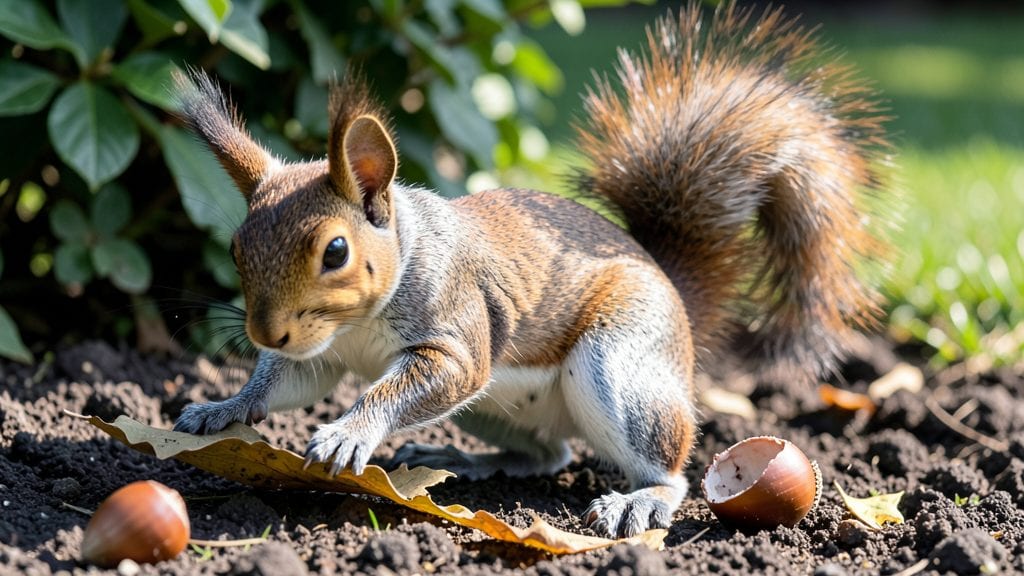
My outdoor garden used to be a squirrel buffet—until I learned how to blend wildlife-friendly design with real protection. 🌿 The key isn’t chasing them away but creating a space where they have some of what they want, while keeping your prized plants safe.
I’ve tested everything from wire cages to native plant buffers, and these layered strategies actually work without trapping or harming them.
Start with tall, sturdy cages wrapped in hardware cloth (not chicken wire—squirrels chew through it). Add native plants like oak, walnut, or black-eyed Susans that squirrels prefer over your veggies, and place them away from your garden’s edges.
A brush pile or small tree stump nearby gives them a reason to forage elsewhere. The secret? Make your garden less appealing than the alternatives.
You’ll end up with a garden that thrives and supports wildlife—no more frantic chases or ruined harvests. Squirrels will still visit, but they’ll leave your tomatoes, peppers, and bulbs alone.
Plus, the native plants add beauty and pollinators to your space. Ready to design a garden that works for both of you?
This approach works in urban backyards, suburban lots, and rural gardens—just adjust the plant choices for your region. The same principles apply whether you’re dealing with gray squirrels, red squirrels, or chipmunks. Let’s build a garden they can’t resist leaving alone.
Why Squirrels Invade Gardens
Squirrels may seem like harmless woodland friends, but when they invade your outdoor garden, they can wreak havoc on plants, bulbs, and even young seedlings. Understanding why they’re drawn to your garden is the first step in keeping them at bay.
Here’s a breakdown of the key reasons, backed by science and actionable insights.
Squirrels are opportunistic foragers, and when natural food sources—like nuts, seeds, and fruits—become scarce, they turn to gardens for an easy meal. In urban and suburban areas, wild food sources are often limited, making cultivated gardens a prime target.
- Seasonal hunger spikes: During late winter and early spring, squirrels rely on stored food (like buried nuts) but may deplete supplies.
Your garden’s emerging bulbs—such as tulips, daffodils, or crocuses—are irresistible protein-rich snacks. - High-calorie crops: Plants like corn, beans, and squash are packed with nutrients squirrels crave.
Even young fruit trees (like apples or peaches) are vulnerable to their gnawing. - Pro tip: 💡 If you notice bare spots in your lawn or dug-up soil, squirrels are likely digging for grubs or tubers—another high-protein food source.
Squirrels aren’t just after food—they’re also searching for safe nesting spots. Your garden might unintentionally provide the perfect conditions for them to build nests, especially if it’s dense with shrubs, mulch, or loose soil.
- Mulch and leaf litter: Thick layers of mulch or fallen leaves create ideal nesting material.
Squirrels will drag debris into piles to line their nests, often right near your plants. - Tree cavities and dense shrubs: If your garden has mature trees with hollows or overgrown bushes, squirrels may claim them as nesting sites, increasing their presence. - Actionable fix: 🌡️ Trim back dense vegetation, especially near high-value plants, and avoid over-mulching.
Consider using gravel or decorative rocks instead of organic mulch in critical areas.
Squirrels are intelligent and curious creatures. Once they discover a food source or nesting spot in your garden, they’ll return repeatedly, reinforcing the behavior. This habit can turn a minor nuisance into a persistent problem.
- Trial and error: If a squirrel finds one successful dig site (e.g., a bulb bed), it will keep returning to the same spot, expanding the damage over time. - Social learning: Squirrels communicate with each other.
If one discovers a bountiful garden, others will follow, turning a solo visitor into a squirrel squad. - Break the cycle: ✨ Disrupt their routine by altering the garden layout seasonally (e.g., rotating plant beds) or using temporary deterrents like bird netting until they lose interest.
A well-maintained garden with diverse plantings can look like a squirrel’s dream home—but it’s also a magnet for them. Features like water sources, tall grasses, and open spaces make gardens feel like an extension of the wild.
- Water sources: Birdbaths, dripping hoses, or even dew-covered leaves attract squirrels for hydration.
They’ll linger, increasing the chance they’ll spot food. - Open pathways: Gardens with clear walkways or lawns give squirrels easy access to dig and forage without obstacles. - Design tweaks: 🎯 Reduce their comfort zone by: - Removing shallow water sources (use deep, narrow birdbaths with sloped edges). - Planting thorny barriers (like roses or barberry) along garden edges. - Keeping lawns mowed short to eliminate hiding spots.
As human settlements expand, squirrels lose access to their natural habitats—woodlands and forests. With fewer wild options, they adapt by raiding gardens, patios, and even trash cans for food.
- Habitat fragmentation: Urban sprawl forces squirrels into closer proximity with human spaces, increasing conflicts.
- Food competition: With more pets (like cats) and predators in urban areas, squirrels must be more aggressive to secure meals.
- Long-term solution: 🏡 Support local wildlife corridors by planting native, squirrel-resistant plants (e.g., lavender, marigolds, or alliums) to encourage them to forage elsewhere.
Squirrels invade gardens for food, shelter, and habit reinforcement, often exacerbated by human-altered landscapes. The good news? By understanding their motivations, you can design your garden to remove the incentives—making it less appealing while protecting your plants.
Stay tuned for the next section on effective, layered barriers to keep these bushy-tailed bandits out!
Quick Fixes for Squirrel Garden Woes
Squirrels can turn your outdoor garden into a chaotic playground, but with the right strategies, you can reclaim your space—without resorting to expensive or extreme measures. Below, we’ve mapped out practical, step-by-step solutions tailored to common squirrel-related problems, from raided flower beds to chewed bulbs.
Each fix includes prevention tips to keep those bushy-tailed troublemakers at bay long-term.
Why it happens: Squirrels love digging up tulips, daffodils, and other spring bulbs for their roots or to stash them in hidden caches.
How to stop it: ✅ 🔥 Use Hardware Cloth or Wire Mesh
- Before planting, wrap bulbs in 1/4-inch hardware cloth (not chicken wire—squirrels can chew through it!). Bend the edges upward to create a physical barrier that squirrels can’t dig under.
- Pro tip: 💡 Prevent future digging by securing the mesh 6–8 inches deep and extending it 2–3 inches above soil level.
✅ 🍳 Plant Squirrel-Resistant Alternatives
- Swap vulnerable bulbs for squirrel-deterrent plants like alliums, snowdrops, or crocuses. Squirrels tend to avoid their strong scents.
- Bonus: 🌱 Interplant bulbs with daffodils—their toxic bulbs repel squirrels naturally!
✅ 👨🍳 Try Hot Pepper Spray (Temporary Fix)
- Spray a hot pepper repellent (like Captain Jack’s) around the garden edges. Reapply after rain.
- Warning: ⚠️ Avoid direct contact with plants—it can cause leaf burn.
Why it happens: Squirrels gnaw on tender shoots, flowers, and even young vegetable plants for fun or to build nests.
How to stop it: ✅ 🥘 Install Flexible Tree Guards
- Wrap tree guards or spiral wraps around vulnerable stems (like hostas, lettuce, or basil). Squirrels can’t chew through the smooth, plastic-like material.
- DIY hack: 🔧 Use aluminum foil wrapped tightly around stems—squirrels dislike the noise and texture!
✅ ⏰ Set Up Motion-Activated Sprinklers
- Devices like the Orbit Enforcer spray water when they detect movement. Squirrels learn to avoid the area after a few surprises.
- Placement tip: 🎯 Aim sprinklers near high-traffic squirrel paths (e.g., fence lines, bird feeders).
✅ 🌡️ Use Squirrel-Confusing Scents
- Place cotton balls soaked in peppermint oil or predator urine (coyote or fox) around the garden. Reapply every 2–3 days.
- Caution: 🚫 Avoid essential oils on edible plants—some can be toxic if ingested.
Why it happens: Squirrels knock over feeders, scatter seed, and contaminate your garden with invasive weeds (like sunflowers or millet).
How to stop it: ✅ 🔪 Use Squirrel-Proof Feeder Designs
- Opt for weight-activated feeders (e.g., Squirrel Buster) that close when a squirrel steps on them. Or try caged feeders with tiny perches only birds can use.
- Budget fix: 💰 Hang feeders from a pivoting arm (like a bungee cord or rope) so squirrels can’t climb up.
✅ 🎯 Relocate Feeders Away from Garden Borders - Place feeders at least 10 feet away from trees, fences, or your garden.
Squirrels are less likely to leap if the distance is too far. - Bonus: 🌳 Add a "squirrel bridge" (a fake perch) far from your garden to distract them.
✅ ✨ Offer Squirrel-Specific Food Elsewhere
- Set up a separate feeding station with squirrel favorites (like peanuts in the shell or corn cobs) away from your garden. This gives them an alternative food source.
Why it happens: Squirrels seek cozy spots in garden sheds, compost bins, or under decking to raise their young.
How to stop it: ✅ 🔧 Seal Entry Points with Steel Wool or Hardware Cloth
- Stuff steel wool (not wire!) into vents, gaps, or holes—squirrels can’t chew through it. Cover openings with 1/4-inch mesh.
- Prevention: 🏗️ Inspect structures in late winter before nesting season (February–March).
✅ 🌡️ Make the Space Unappealing
- Remove leaves, mulch, or debris where they might nest. Squirrels prefer clean, hidden spots—take those away!
- Quick fix: 🌿 Place a fake owl or rubber snake near nesting areas (move it weekly to avoid habituation).
✅ 🚫 Avoid Overwatering or Providing Shelter
- Squirrels love damp, shaded spots. Keep garden areas well-drained and prune overhanging branches to reduce hiding spots.
- 🌱 Plant squirrel-deterrent companions: Marigolds, lavender, and fennel repel squirrels with their strong scents.
- 🌙 Use reflective objects: Hang old CDs or aluminum pie pans on strings—they create unpredictable movements that squirrels dislike.
- 🌅 Keep your garden tidy: Remove fallen nuts, seed packets, or uneaten fruit—these attract squirrels like a buffet!
- 🕒 Time your planting: Squirrels are most active at dawn and dusk, so plant bulbs or seeds in the late afternoon to reduce exposure.
Final Thought: 🎯 Combine 2–3 methods for the best results—squirrels are smart, but they’re not invincible! Start with physical barriers, then layer in scents and distractions, and you’ll see a dramatic drop in garden raids within weeks.
Frequently asked questions
Are squirrels actually harmful to my garden?
Squirrels can be both beneficial and destructive. While they help with seed dispersal and pollination, they’ll dig up bulbs, chew plants, and raid crops like corn or beans. The key is redirecting their behavior—offer squirrel-friendly food sources (like peanuts) in one area while protecting vulnerable plants with barriers.
What’s the best way to squirrel-proof my vegetable garden?
Use hardware cloth cages (not chicken wire) over raised beds, and plant squirrel-deterrent companions like marigolds or lavender nearby. For individual plants, wrap stems in aluminum foil—squirrels dislike the noise and texture. Motion-activated sprinklers also work well near high-traffic paths.
Can I attract squirrels to a separate area of my yard?
Set up a dedicated feeding station with squirrel favorites (like sunflower seeds or corn cobs) at least 10 feet away from your garden. Add a brush pile or small tree stump nearby for nesting—this gives them everything they need while keeping your plants safe.
Will predator urine or peppermint oil really keep squirrels away?
Yes, but with caveats. Predator urine (coyote or fox) can work temporarily, but squirrels often adapt. Peppermint oil on cotton balls is safer—just reapply every 2-3 days. For edible plants, avoid essential oils directly on leaves. The best results come from combining scents with physical barriers.
How do I stop squirrels from nesting in my garden shed?
Seal all entry points with steel wool (not wire) and cover vents with 1/4-inch hardware cloth. Remove leaf litter or mulch where they might nest, and place a fake owl nearby (move it weekly to prevent habituation). Inspect sheds in late winter before nesting season begins.