Landscaping
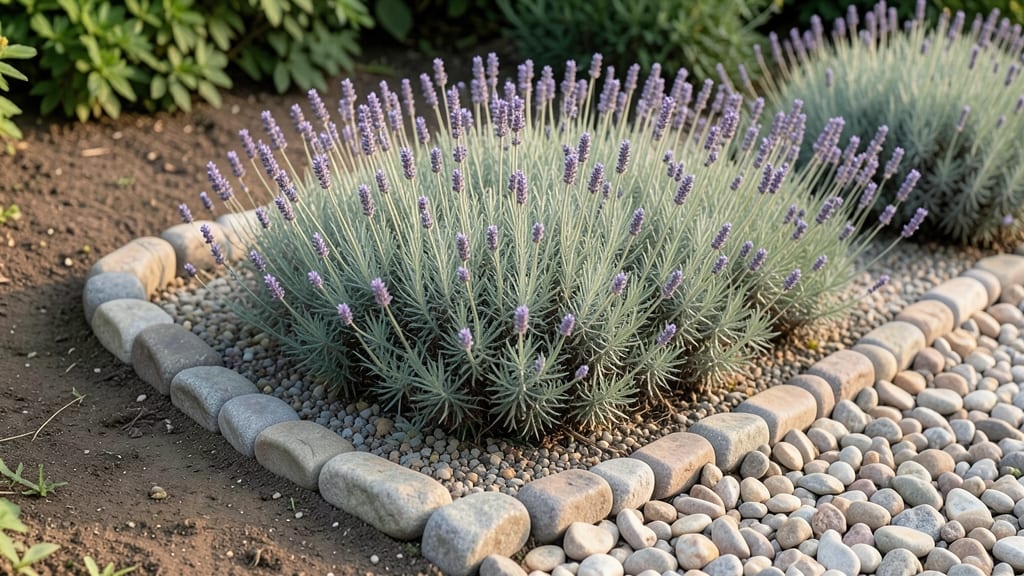
The elegant parterre garden design blends French formality with lush layered beauty—those geometric masterpieces that make every walk feel like a stroll through a Versailles courtyard. 🌿 I fell in love with the style after seeing how neatly clipped boxwoods framed vibrant borders. creating a sense of order that still feels alive.
The secret lies in symmetry without stiffness, where every plant has its place yet contributes to a dynamic, textured whole.
You don’t need a sprawling estate to pull this off—even a 4-foot-wide border can work with the right proportions. Start with a simple rectangular or circular shape using low, dense plants like boxwood or lavender for the edges, then layer in taller perennials and annuals behind.
The key is contrasting textures: velvety lamb’s ear next to spiky ornamental grasses, or glossy hostas underplanted with delicate ajuga. Maintenance is the trade-off, but the payoff is a garden that feels both timeless and effortlessly polished.
Imagine stepping into a space where every bloom aligns with the next, yet the colors shift with the seasons—deep purples in spring, fiery reds in summer, and golden hues in fall.
The borders stay tidy with regular trimming (every 6-8 weeks) and mulch to keep weeds at bay, while the layered plants thrive with moderate watering and a mix of sun and partial shade.
This isn’t just a garden; it’s a living work of art that turns heads and calms the soul.
For modern spaces, skip the rigid boxwoods and opt for contemporary alternatives like dwarf conifers or neatly pruned yews, or even gravel paths to define edges. Small yards can adapt with mini parterres—think a 2-foot-wide strip along a walkway or a circular bed in a courtyard.
The French didn’t invent perfection; they perfected the illusion of effortless grandeur. Let’s bring that magic to your yard.
📚 In This Guide
- What you need
- Instructions
- Tips and common mistakes
- Wrapping up and next steps
What you need
- ● Topsoil or garden soil: 2–4 cubic yards (depending on garden size), enriched with compost for fertility.
- ● Mulch: 2–3 bags of organic mulch (e.g., cedar chips or bark) to retain moisture and suppress weeds.
- ○ Gravel or crushed stone: 1–2 bags for pathways or edging (optional but recommended for structure).
- ● Hedges or low-growing shrubs: Boxwood, lavender, or dwarf yew (10–20 plants, depending on spacing).
- ● Perennials & annuals: Hardy varieties like roses, hydrangeas, or ornamental grasses (20–50 plants for fullness).
- ● Edging materials: Brick, stone, or metal edging (10–20 linear feet, depending on design).
- ● Shovel & spade (for digging and transplanting).
- ● Garden rake (for leveling soil).
- ● Wheelbarrow (for hauling materials).
- ● String & stakes (to mark garden lines and patterns).
- ● Pruners & shears (for shaping hedges and plants).
- ● Hose & sprinkler (for watering).
- ○ Optional: Laser level (for ultra-precise grading), kneeling pad (for comfort), and a garden cart (for heavy loads).
- ● Sunlight analysis: Ensure your garden gets 6+ hours of sunlight daily (most parterres thrive in full sun).
- ● Soil test: Check pH and nutrient levels (adjust with lime or fertilizer if needed).
- ● Design plan: Sketch your layout, including pathways, plant spacing, and symmetry (💡 Pro tip: French parterres often use geometric patterns like diamonds, rectangles, or spirals!).
- ● Water access: Plan irrigation (drip systems work best for formal gardens).
Instructions for crafting a classic parterre garden layout
Here’s how to blend French symmetry with layered planting for a timeless, structured yet lush garden.
🪴 Step 1: Define the Parterre’s Shape and Borders
Start by sketching your design on graph paper or directly in the garden using a hose or string. Classic parterres use geometric shapes—squares, rectangles, or kidney-shaped curves—with raised edges for definition. For a 4-foot-wide border (standard for walkways), dig a 6-inch-deep trench and line it with edging material like bricks, stone, or metal. Press the edges firmly into the soil to prevent erosion.
I always mark the center axis first, then mirror plantings symmetrically. Use stakes and string to outline curves before digging—this keeps your lines crisp. For a 10-foot-long parterre, divide it into three equal sections (left, center, right) to balance the design. The center section often gets the tallest plants or a focal point like a small fountain or sculpture.
🌿 Step 2: Layer Plants by Height and Texture
Begin with the tallest plants at the back or center (like boxwood hedges or lavender), then work downward to mid-height perennials (such as salvia or catmint), and finish with low-growing ground covers (like ajuga or creeping thyme). In a 4-foot-wide parterre, aim for three distinct layers: back (2-3 feet tall), middle (1-2 feet), and front (6-12 inches). This creates depth and visual interest.
For symmetry, repeat plant groupings every 18-24 inches along the border. For example, if you place three boxwood shrubs in the center back row, mirror them on either side. Use odd-numbered groupings (3, 5, or 7 plants) for a natural yet structured look. I always leave 12-inch gaps between clusters to allow for maintenance and prevent overcrowding.
☀️ Step 3: Install Pathways and Focal Points
For a 4-foot-wide parterre, incorporate a 2-foot-wide gravel or stone pathway down the center to guide visitors through the design. Use crushed stone or pavers for durability, and edge them with landscape fabric to prevent weeds. In the center of the pathway, add a small ornamental feature—like a sundial, bench, or low trellis—to draw the eye. This breaks up the symmetry and adds personality.
If your parterre has a curved edge, place a solitary specimen plant (like a dwarf conifer or ornamental grass) at the curve’s apex to highlight the shape. For straight edges, use boxwood or yew hedges clipped into tapered or rounded forms for a classic French touch. Avoid sharp corners—soften them with low mounds of ivy or vinca to maintain elegance.
✂️ Step 4: Add Seasonal Color and Maintenance Plan
Incorporate spring bulbs (like tulips or daffodils) in the front layer for early color, then layer in summer perennials (such as coreopsis or black-eyed Susan) and fall mums for continuous blooms. For a 4-foot-wide design, plant bulbs in drifts of 9-15 under shrubs to create a natural carpet of color. Mulch with 2-3 inches of shredded bark to suppress weeds and retain moisture.
Schedule monthly pruning to keep hedges and perennials tidy. Trim boxwood or yew every 4-6 weeks during the growing season to maintain their shape. Deadhead spent blooms promptly to encourage repeat flowering. In late winter, renew mulch and fertilize shrubs with a slow-release granular fertilizer to jumpstart spring growth. This keeps your parterre looking polished year-round.
⏰ Step 5: Final Touches for Timeless Elegance
Add ornamental ironwork or stone urns at key points—like the corners of a square parterre—to enhance the French influence. Place them on small pedestals to elevate them slightly above ground level. For a 10-foot-long design, position two urns symmetrically at the ends or one central urn flanked by two smaller vases. Use evergreen topiaries (like boxwood balls or cones) to fill empty spaces and maintain structure during winter.
Finally, install low-voltage landscape lighting along the pathways to highlight the parterre at night. Use battery-operated solar lights for a subtle glow or uplighting to accentuate taller plants. This not only extends your garden’s usability but also creates a magical, formal atmosphere that’s pure parterre elegance.
Tips & tricks for perfect parterre garden design
Creating a classic parterre doesn't have to be intimidating—these simple tricks will help you achieve that polished French garden look with confidence.
Design Tip: Before digging, create a scaled sketch on graph paper using a 1-inch grid to represent 1-foot spacing. This helps visualize how your 4-foot-wide border and 10-foot length will look in real life. I always mark the center axis with a dotted line first—it becomes your anchor for all symmetrical plantings. This step saves hours of rework and ensures your design stays balanced.
Planting Strategy: When layering plants in Step 2, think vertically first! The tallest plants (2-3 feet) should go in the center or back, with mid-height (1-2 feet) and low-growing (6-12 inches) plants cascading downward. Pro tip: Use a small wooden stake to mark each plant's final height before digging—this prevents overcrowding and helps maintain those crisp 12-inch gaps between clusters.
Pathway Pro: For the 2-foot-wide pathway in Step 3, lay down landscape fabric before adding crushed stone or pavers. This prevents weeds from creeping up through the gaps over time. I've learned the hard way that skipping this step leads to a messy pathway within months. For extra durability, consider using edging stones along the pathway's edges to keep everything contained.
Maintenance Hack: Set a phone reminder for every 4-6 weeks during growing season to trim boxwood or yew hedges. Use a pair of sharp pruning shears and make cuts at a 45-degree angle just above a leaf node. This encourages bushier growth and gives you that classic French manicured look without over-pruning. I always do a quick inspection after each trim to spot any overgrown areas before they become problems.
Pro Tips for Parterre Garden Design
- Creating a classic parterre doesn't have to be intimidating—these simple tricks will help you achieve that polished French garden look with confidence.
- Design Tip: Before digging, create a scaled sketch on graph paper using a 1-inch grid to represent 1-foot spacing.
- Planting Strategy: When layering plants in Step 2, think vertically first!
Frequently asked questions
Got questions about bringing a parterre garden design to life? You’re not alone! Here are answers to the most common queries to help you plan with confidence.
What’s the best time of year to start a parterre garden?
Aim for early spring (March–April) or early fall (September–October) when soil is workable and temperatures are mild. Spring lets you establish plants before summer heat, while fall gives roots time to settle before winter. Avoid planting in extreme heat or frost—your plants will thank you!
How much does a parterre garden cost to install?
Costs vary widely! A DIY project with basic materials (gravel, edging, plants) can run $1,000–$3,000 for a small design. Hiring a pro for custom masonry, irrigation, or rare plants may push costs to $5,000–$15,000+. Prioritize budget-friendly perennials and reuse materials (like bricks or stones) to save.
Can I use annuals in a parterre, or should I stick to perennials?
Both work! Perennials (like lavender, boxwood, or peonies) offer low-maintenance beauty year after year and define the formal structure. Annuals (e.g., marigolds, pansies) add seasonal color but require replanting. Mix them for versatility: use perennials for the "bones" and annuals for pops of color in borders.
What’s the trickiest part of maintaining a parterre garden?
The precision clipping of hedges and boxwoods is the biggest challenge! Use sharp shears and trim just after flowering to keep shapes crisp. Weed suppression (mulch!) and consistent watering (drip systems help) are also key. Pro tip: Sketch your design on graph paper first to plan cuts and spacing.
Are parterre gardens only for large estates?
Not at all! While they’re iconic in French châteaux, parterres scale beautifully. A 6-foot-wide strip along a driveway or a miniature design in a raised bed can achieve the same elegance. Focus on proportion: even a small space can shine with tightly clipped hedges and geometric plantings.
What’s the most common mistake beginners make?
Overcomplicating the design! Start with 3–5 plant types (e.g., two perennials + one annual) to avoid maintenance nightmares. Beginners often crowd plants or skip edging materials (like brick or metal), which lets grass or weeds creep in. Keep it simple, symmetrical, and functional—your garden will thank you!
Wrapping up and next steps
A parterre garden design blends French elegance with vibrant, layered beauty—perfect for creating a structured yet lush outdoor space. Whether you’re drawn to its geometric precision, rich textures, or seasonal charm, this style offers endless creative possibilities for any yard.
Ready to bring your vision to life? Start small—sketch a simple layout, gather inspiration, and take the first step toward crafting your dream garden. Bon courage! 🌿✨