
Tools
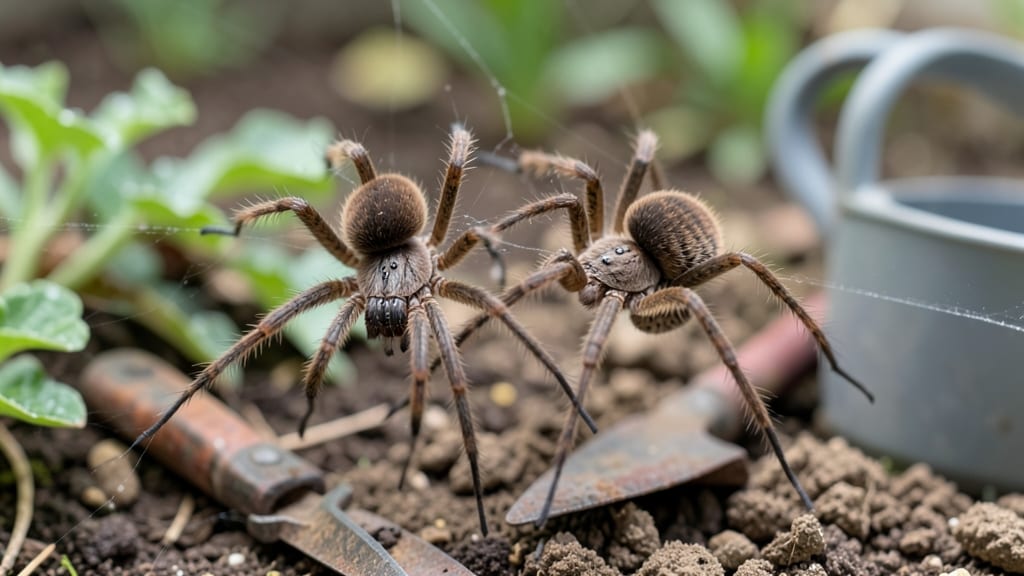
My garden shed spiders have finally met their match—humane traps that keep them out without harming a single leg. 🕷️ I’ve spent years battling cobwebs and skittish eight-legged tenants, but these methods actually work, and they’re chemical-free too.
The key? Understanding their behavior and giving them an exit instead of a death sentence.
Most shed spiders—like cellar spiders or black widows—aren’t aggressive, but they do love dark, cluttered spaces. Sealing cracks and decluttering cuts off their real estate, while simple traps like rolled-up cardboard tubes or vinegar-soaked cotton balls lure them out without killing them.
No poisons, no sprays—just smart moves that actually reduce their numbers over time.
You’ll end up with a shed that stays functional for tools and storage while keeping the spider population in check. The best part? These traps take less than 10 minutes to set up and work for months.
No more reaching for gloves every time you open the door—just a clean, spider-light space where your gardening gear stays safe and dry.
Works for any shed size, from tiny tool huts to full garage-style storage. The secret is consistency—once you see results, you’ll wonder why you didn’t try this sooner.
Hidden Havens for Crawlers
Spiders love garden sheds—but why do they turn your storage space into their personal buffet? The answer lies in a mix of environmental factors, food availability, and even human habits. Let’s break down the science behind why these eight-legged guests keep showing up.
Sheds offer perfect conditions for spiders to thrive:
- Temperature regulation: Sheds stay cooler in summer and warmer in winter than open spaces, creating an ideal microclimate (between 60–80°F).
- Moisture control: Wooden sheds trap humidity, especially after rain, which keeps webs sticky and prey plentiful.
- Protection from predators: Birds, lizards, and other spider hunters avoid sheds, making them a safe haven for arachnids.
💡 Pro Tip: If your shed feels damp, add ventilation holes or a dehumidifier to make it less inviting.
Spiders are opportunistic hunters, and sheds accidentally become insect supermarkets:
- Stored wood attracts termites, beetles, and ants—all spider snacks.
- Gardening tools and pots harbor hidden eggs and larvae (e.g., fungus gnats, flies).
- Old fabric or paper (like bags of soil or mulch) trap dust mites and moths.
🔍 Actionable Fix: Inspect and clean stored items before putting them away—shake out bags, vacuum corners, and store wood off the ground.
Some spiders don’t even walk in—they stow away:
- Webs on tools or firewood can carry egg sacs or mature spiders into your shed.
- Outdoor plants (like hostas or ferns) often host spiders that migrate indoors when disturbed.
- Wildlife visitors (like mice or birds) may bring spider eggs in their nests.
✨ Prevention Hack: Wipe down tools and firewood with a damp cloth before storing them, and shake out outdoor plants before bringing them near the shed.
A shed’s immediate surroundings play a huge role:
- Tall grass and leaf litter near the shed create bridge habitats for spiders to wander in.
- Wood piles or debris provide hiding spots for spiders to wait for prey (or you) to pass by.
- Drip lines from roofs can carry spiders into the shed via water droplets.
🌡️ Quick Solution: Clear a 3-foot perimeter around the shed and trim back vegetation touching the walls.
Spider populations explode at certain times, and sheds become ground zero:
- Spring & Early Summer: Spiders emerge from egg sacs and seek shelter before molting.
- Fall: They retreat indoors to avoid cold weather, often in large numbers.
- After Rain: High humidity triggers mating season, leading to more webs and egg sacs.
📊 Timing Matters: If spiders spike in spring or fall, take preventive action before the peak (e.g., sealing gaps in early spring).
Unknowingly, we invite spiders in with daily shed habits:
- Leaving doors open lets spiders wander in unnoticed.
- Stacking items haphazardly creates dark, undisturbed corners—their favorite spots.
- Using untreated wood or cardboard provides harborages for spiders to nest.
🔥 Behavior Change: Keep doors closed, organize stored items, and use metal shelves (spiders dislike smooth surfaces).
Tiny openings in sheds act as highway ramps for spiders:
- Loose siding or cracks in walls let them crawl inside.
- Vents without screens allow them to fly or drop in from above.
- Gaps around pipes or wires create entry tunnels.
🔧 Easy Fix: Seal cracks with caulk, install fine mesh screens on vents, and check for light gaps (spiders follow light sources at night).
Practical Ways to Outsmart Shed Spiders
Spiders in your garden shed can feel like an unwelcome houseguest, but the good news is you don’t need harsh chemicals to evict them. Below are targeted, humane solutions tailored to the root causes of your spider problem—whether it’s clutter, food sources, or shelter.
Each fix is designed to be easy, effective, and spider-friendly while keeping your shed functional.
Cause: Spiders thrive in dark, crowded spaces where they can weave webs undetected. Fix:
- 🧹 Step 1: Empty and Sort – Remove everything from your shed and sort items into "Keep," "Donate," and "Trash" piles. Spiders love hiding in old cardboard, fabric scraps, and unused tools.
- 📦 Step 2: Store Items Properly – Use plastic bins with tight-fitting lids (spiders can’t climb smooth surfaces) instead of open containers. Hang tools on pegboards or wall-mounted racks to reduce hiding spots.
- 💡 Pro Tip: If you must keep fabric or paper, fold and store it in sealed containers—spiders avoid tight, airtight spaces.
Prevention: ✅ Schedule a quarterly declutter session to keep your shed tidy. ✅ Use shelving units to elevate items off the floor, making it harder for spiders to access them.
Cause: Spiders (and their prey) are drawn to food debris, pet food, or even stored seeds. Fix:
- 🧼 Step 1: Clean Thoroughly – Wipe down shelves, sweep floors, and vacuum corners. Pay extra attention to cracks, crevices, and under shelves where crumbs or insect droppings may linger.
- 🍪 Step 2: Seal Food Items – Store seeds, pet food, and garden supplies in airtight metal or glass containers (spiders can’t chew through them).
- 🚫 Step 3: Remove Standing Water – Fix leaks or use dehumidifiers if your shed is damp. Spiders love humid environments where insects (their food) thrive.
Prevention: ✅ Inspect new items (like firewood or potted plants) before bringing them into the shed—spiders often hitch a ride. ✅ Keep outdoor lights off at night—fewer insects mean fewer spiders.
Cause: Spiders slip in through tiny gaps, vents, or damaged screens. Fix:
- 🔧 Step 1: Inspect the Exterior – Walk around your shed and look for gaps larger than 1/8 inch (spiders can squeeze through!). Check:
- Vents (install fine mesh screens)
- Door sweeps (replace worn or missing ones)
- Foundation cracks (use caulk or weatherstripping)
- 🕸️ Step 2: Block Webbing Zones – Spiders often enter near light fixtures or pipes. Seal these areas with copper mesh or steel wool (they dislike the texture).
- 🌿 Step 3: Trim Nearby Vegetation – Overgrown plants near your shed provide bridges for spiders. Keep bushes and vines trimmed back at least 2 feet away.
Prevention: ✅ Install door sweeps and window screens as part of your shed’s maintenance routine. ✅ Check for new gaps after storms or seasonal changes.
Cause: Damp sheds create the perfect breeding ground for spiders and their prey. Fix:
- 💨 Step 1: Improve Ventilation – Add ventilation fans, ridge vents, or solar-powered exhaust fans to circulate air.
- 🧴 Step 2: Use Desiccants – Place silica gel packets or dampness absorbers in problem areas (like under shelves).
- ☀️ Step 3: Let Sunlight In – If possible, paint your shed’s exterior light colors (white or gray) to reflect heat and reduce moisture buildup.
Prevention: ✅ Clean gutters and downspouts to prevent water from seeping into your shed’s foundation. ✅ Store moisture-prone items (like wood or fabrics) in dehumidifier boxes.
If spiders are already a problem, non-toxic traps are a great temporary solution while you implement long-term fixes. - 🍎 DIY Apple Cider Vinegar Trap – Fill a shallow dish with apple cider vinegar and a drop of dish soap.
Spiders are drawn to the smell and get trapped. - 🕷️ Sticky Traps (Outdoor-Use Only) – Place yellow sticky traps near entry points (but check them daily to avoid harming beneficial insects). - 🪟 Humane Relocation – If you spot a spider, gently coax it into a jar with a funnel and release it far from your home (at least 50 feet away).
⚠️ Avoid: Poison baits or sprays—they can harm pets, wildlife, and even your plants!
The key to keeping spiders out is consistency. Combine decluttering, sealing entry points, reducing moisture, and eliminating food sources for the best results. With these steps, your garden shed can stay spider-free without chemicals—and you’ll enjoy a clutter-free, functional space all season long!
Frequently asked questions
Are garden shed spiders dangerous?
Most shed-dwelling spiders are harmless, like cellar spiders or jumping spiders. However, watch for black widows (shiny black with red hourglass markings) or brown recluses (violin-shaped mark). If you spot these, use humane traps or call a pest control expert.
How do I keep spiders from coming back after cleaning?
Seal cracks with caulk, install fine mesh screens on vents, and store items in airtight containers. Trim vegetation near the shed and keep it dry—spiders avoid well-maintained spaces. Consistency is key!
Can essential oils repel spiders from my shed?
Yes! Peppermint, tea tree, or citrus oils disrupt spiders' scent trails. Soak cotton balls in oil, place them in small jars, and tuck them into corners. Refresh every 2-3 weeks for best results.
What’s the best time of year to prevent shed spiders?
Focus on prevention in early spring (before spiders emerge) and late fall (when they seek shelter). Seal gaps, declutter, and reduce moisture during these times for long-term success.
Do spider traps actually work without chemicals?
DIY traps like apple cider vinegar (with dish soap) or rolled cardboard tubes work well. Place them near entry points, and check them daily. These methods are safe for pets and plants.