
Advice
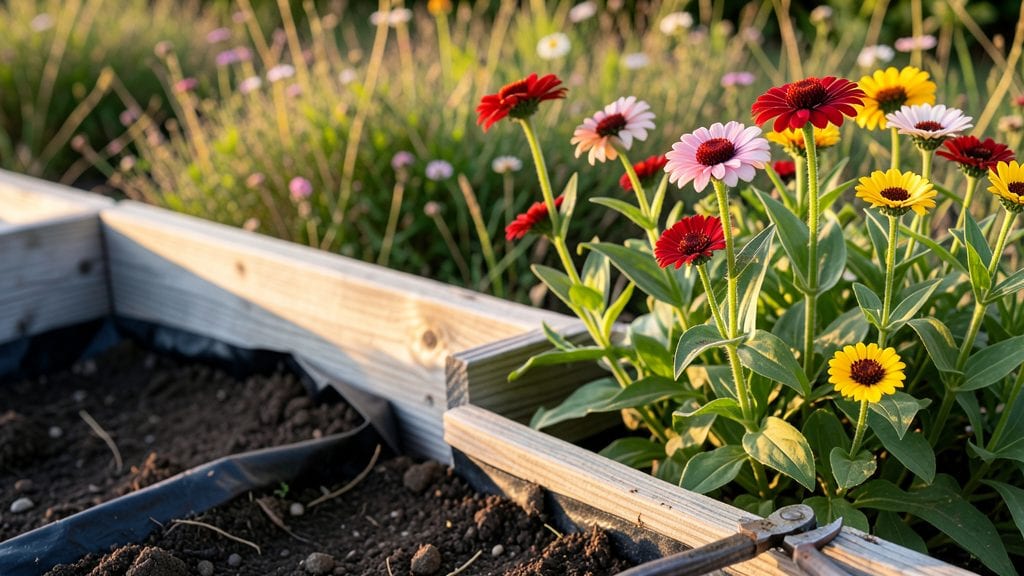
Is treated lumber safe for gardens? No—most treated lumber contains chemical preservatives like chromated copper arsenate (CCA) or alkaline copper quaternary (ACQ), which can leach into soil and harm plants or contaminate groundwater. Opt for pressure-treated wood labeled 'ACQ' or 'MCQ' (minimal chemical use) and use only in above-ground applications to reduce exposure.
While older treated lumber like CCA (now banned in the U.S. for residential use) poses serious risks, even modern ACQ-treated wood contains copper compounds that can slowly release into soil over time. 🌱 The real danger lies in direct soil contact—roots absorb these chemicals, stunting growth or even killing plants.
For raised beds or planters, always use liner barriers or choose naturally rot-resistant woods like cedar instead.
If you're working with existing treated wood, consider sealing it with food-grade mineral oil or linseed oil to minimize leaching. Just remember: the safest garden lumber is untreated—though it won’t last as long in wet conditions.
For long-term projects, composite decking made from recycled plastics often strikes the best balance between durability and safety.
💡 In This Article
- Chemical Risks in Treated Lumber for Soil and Plants
- Safe Alternatives to Treated Wood for Garden Projects
Chemical risks in treated lumber for soil and plants
Pressure-treated lumber uses different chemical cocktails to resist rot and insects, but these treatments vary drastically in toxicity. The most dangerous is CCA (chromated copper arsenate), which contains arsenic—a known carcinogen that can leach into soil at rates of up to 0.05 mg/kg/year under ideal conditions.
Even modern ACQ (alkaline copper quaternary) releases copper ions that accumulate in soil over time, creating toxic levels that inhibit plant nutrient uptake. The process works by binding metals to wood fibers, but moisture triggers gradual release—especially in garden beds where watering accelerates chemical migration.
Here's how these chemicals harm gardens: Arsenic from CCA disrupts plant metabolism at concentrations as low as 5 ppm, causing stunted growth or death in vegetables like tomatoes and peppers. Copper from ACQ builds up in soil, creating a "copper lock" that prevents roots from absorbing essential nutrients like iron and zinc.
Over 5 years, a single treated 4x4 post can leach enough copper to raise soil levels to phytotoxic thresholds in a 10-square-foot area. The most vulnerable plants include blueberries, potatoes, and brassicas, which are sensitive to heavy metal buildup.
Leaching occurs through two main mechanisms: dissolution (chemicals dissolving in water) and desorption (chemicals detaching from wood fibers). Rainfall and irrigation accelerate this process—studies show treated wood in direct soil contact can lose 20% of its copper content within 2 years.
The risk isn't just for plants: these chemicals can seep into groundwater, where copper levels above 1.3 mg/L become hazardous for drinking water. Even "safer" MCQ (micronized copper quat) contains quaternary ammonium compounds that persist in soil for decades.
What most gardeners don't realize is that the danger extends beyond direct contact. Volatile organic compounds (VOCs) from some treatments can off-gas into the air, depositing residues on nearby plants. For example, creosote-treated lumber (used in railway ties) contains polycyclic aromatic hydrocarbons (PAHs) that bioaccumulate in soil organisms.
While banned for residential use, older creosote-treated wood still appears in some garden projects, posing long-term risks to soil microbes that maintain ecosystem health. The EPA classifies these PAHs as probable human carcinogens when inhaled or ingested through contaminated produce.
To visualize the impact: imagine planting a vegetable garden next to a treated fence post. Within 3 months, copper levels near the post could reach 200 ppm—enough to cause visible chlorosis (yellowing) in leafy greens.
The most concerning aspect is that these chemical levels don't degrade naturally; they only become less concentrated through dilution or plant uptake. For comparison, the EPA's safe soil copper limit is 125 ppm for agricultural use, making treated wood a clear violation when used in edible gardens.
Here's the critical distinction: Above-ground use (like raised bed frames) minimizes risk because leaching occurs primarily through direct water contact. But when treated wood touches soil or compost, the chemical transfer becomes inevitable.
The safest approach is to use treated lumber only for structural elements where plants won't interact with the wood surface—like support beams for trellises—while keeping edible plants in separate, untreated containers. 💫