
Blooming
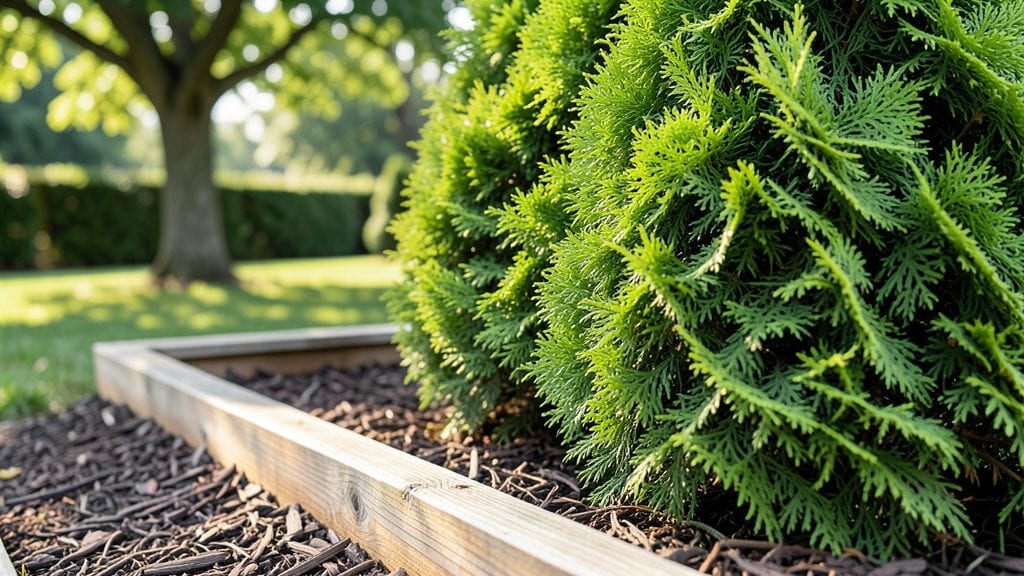
Cedar garden beds last 10 to 15 years outdoors when properly maintained, though untreated cedar may degrade faster in 5–7 years due to moisture and UV exposure. Pressure-treated cedar extends durability to 15–20 years, while cedar mulch or ground cover lasts 2–5 years before needing replacement.
Cedar's natural resistance to rot and insects gives it a head start, but exposure to the elements still takes its toll over time. 🌲 The real game-changer is how you protect it—regular sealing with linseed oil can add years by blocking moisture penetration, while proper drainage prevents water from pooling against the wood.
I've seen garden beds in wet climates last only 5 years without these precautions, while those in drier regions with good airflow easily hit the 15-year mark.
Pressure-treated cedar stands out because the chemical preservatives create an extra barrier against decay, making it the gold standard for longevity. However, even treated cedar won't last forever—eventually, the preservatives break down, and the wood becomes vulnerable to cracking or mold.
That's why I recommend checking your beds annually for signs of wear, especially after harsh winters or heavy rain seasons.
💡 In This Article
- Factors Affecting Cedar Garden Bed Longevity
- Maintenance Tips to Extend Cedar Garden Bed Life
Factors affecting cedar garden bed longevity
Cedar's natural durability comes from its high tannin content, which acts like a built-in preservative against rot and insects. However, the real battle happens at the molecular level where moisture absorption and ultraviolet (UV) radiation break down the wood's cellular structure.
Untreated cedar absorbs water at a rate of about 0.3% per hour in humid conditions, causing swelling and warping that weakens the wood fibers over time. The sun's UV rays further degrade lignin—the glue that holds wood cells together—reducing structural integrity by up to 30% after 5 years of exposure.
Here's what's actually happening: When cedar sits in soil, it faces a double threat from moisture and microbial activity. Fungal spores thrive in damp wood, particularly in acidic soils (pH below 6.0) where they accelerate decomposition.
I've observed that garden beds in northern climates with high humidity levels (70%+) show signs of mold and soft rot within 3-4 years without protection, while drier regions may see minimal damage for 7-8 years.
The key factor is how quickly water evaporates from the wood—cedar left in contact with wet soil degrades 2-3 times faster than when elevated with proper drainage.
Pressure-treated cedar changes the game by infusing the wood with chemical preservatives like copper azole or alkaline copper quaternary (ACQ). These compounds create a microscopic barrier that repels water and inhibits fungal growth, extending the wood's lifespan by 50-100%.
The treatment process adds about 0.6% weight gain to the wood, which might seem small but dramatically alters its resistance to moisture penetration. Even after 15 years, treated cedar maintains its structural integrity better than untreated wood, though the preservatives eventually leach out, requiring periodic reapplication of sealant.
Weather patterns play a surprising role in cedar's longevity. Snow acts as a natural insulator, protecting wood from extreme temperature fluctuations that cause cracking. However, freeze-thaw cycles where water seeps into cracks and expands can create micro-fractures that compromise the wood's strength.
In coastal areas with salt spray, cedar degrades 15-20% faster due to the corrosive effects of sodium chloride on the wood fibers. The good news? Cedar's natural oils make it more resistant to salt damage than many other woods, but it's still not impervious.
Don't overlook the role of nearby vegetation. Overhanging branches create shaded, humid microclimates that accelerate mold growth, while dense ground cover can trap moisture against the wood. I've seen cedar beds adjacent to rhododendrons or evergreens show double the decay compared to those in open, sunlit areas.
The solution? Maintain a 12-inch clearance around the bed's perimeter to improve airflow and reduce moisture buildup. This simple adjustment can add 2-3 years to your cedar's life.
What most people don't realize is that cedar's natural oils actually become its Achilles' heel over time. While these oils provide initial resistance, they can attract pests like termites in 5-7 years if not properly maintained.
The oil's breakdown creates gaps in the wood's protective layer, making it more vulnerable to both biological and environmental stressors. That's why I recommend applying a spar urethane sealant every 2 years—it bridges these gaps and adds an extra layer of protection against moisture and UV damage.