
Advice
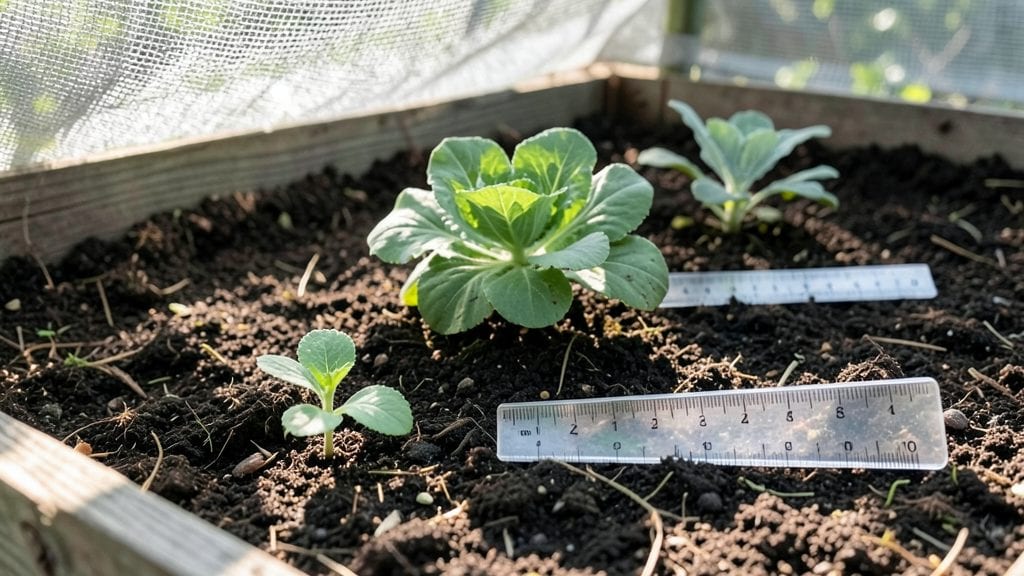
How long it takes a garden to grow varies dramatically—from 4 weeks to 2 years—depending on the plants: fast growers like lettuce sprout in 30 days, while fruit trees and perennials may need 1-2 seasons to mature fully. Soil prep, climate, and care also impact timelines significantly.
Your garden's growth timeline isn't just about the plants themselves—it's a dance between nature and your preparation. 🌱 For example, herbs like basil can go from seed to harvest in just 6 weeks, while root vegetables like carrots need 70-80 days to reach maturity.
What's fascinating is how climate plays a role: a tomato plant might take 60 days in warm zones but stretch to 90 days in cooler areas. The key is understanding each plant's unique needs and adjusting your approach accordingly.
Beyond the obvious factors like sunlight and water, soil quality often gets overlooked. A well-amended garden bed can cut growth timelines by 20-30% compared to poor soil. I've seen beginners rush their gardens by overwatering or crowding plants, which actually slows growth due to competition for nutrients.
The secret is patience combined with smart planning—starting with the right soil and spacing gives your plants the best chance to thrive quickly.
💡 In This Article
- Garden Growth Stages by Fast, Medium, and Slow Plants
- Factors That Speed Up or Delay Garden Growth
Garden growth stages by fast, medium, and slow plants
Here's what's actually happening beneath the soil: every plant follows three core stages—germination, vegetative growth, and fruiting—but the speed varies wildly based on biology. Fast growers like leafy greens (spinach, lettuce) complete germination in 3-7 days and reach harvest in 30-50 days because they prioritize leaf production over root development.
Their shallow roots and rapid cell division create tender, edible foliage quickly. 🌱 Meanwhile, root vegetables like radishes take 21-30 days because they need to develop a substantial taproot before becoming edible.
The science behind these differences lies in photosynthesis efficiency and energy allocation. Fast growers like bush beans (ready in 50-60 days) focus energy on producing pods, while slower growers like asparagus invest years building underground rhizomes before producing spears.
Perennials like fruit trees take 2-5 years because they must establish extensive root systems and develop flowering structures—apples, for example, need 3-4 years from seed to first fruit due to complex hormonal signaling between roots and shoots.
Medium-speed plants—like tomatoes (60-85 days) or peppers (70-90 days)day length and temperature: tomatoes grown in USDA Zone 10 (warm winters) mature faster than those in Zone 5 (short summers). The key factor is photosynthetic rate—warmer climates accelerate chlorophyll production, speeding up vine growth and fruit set. 🌡️
Slow growers like trees and perennials often require 1-2 years just to establish roots before producing visible growth above ground. Take blueberry bushes, which need 2 years to develop roots and 3-4 years to bear fruit because they form symbiotic relationships with mycorrhizal fungi in the soil.
This underground partnership takes time to develop but makes them drought-resistant once mature. The trade-off? Patience pays off with decades of productivity—unlike annuals that complete their life cycle in one season.
What most people don't realize is how plant hormones regulate these timelines. Gibberellins, for example, promote stem elongation in fast growers like basil (6-8 weeks), while abscisic acid slows growth in drought-prone plants like lavender (2-3 years to maturity).
Even within categories, variations exist: Heirloom tomatoes often take 10-15 days longer than hybrid varieties because their genetic makeup prioritizes flavor over speed. The lesson? Match your expectations to the plant's biological blueprint.
Consider these growth category benchmarks for planning:
- Fast growers (30-60 days): Lettuce, radishes, green onions, basil, bush beans
- Medium growers (60-120 days): Tomatoes, peppers, cucumbers, zucchini, carrots
- Slow growers (1-2+ years): Fruit trees, asparagus, rhubarb, lavender, strawberries
Understanding these stages helps you sequence your garden: plant fast growers first to provide early harvests, then medium growers for summer bounty, and establish perennials for long-term rewards. The magic happens when you align your planting schedule with each plant's natural rhythm. ✨