Trees
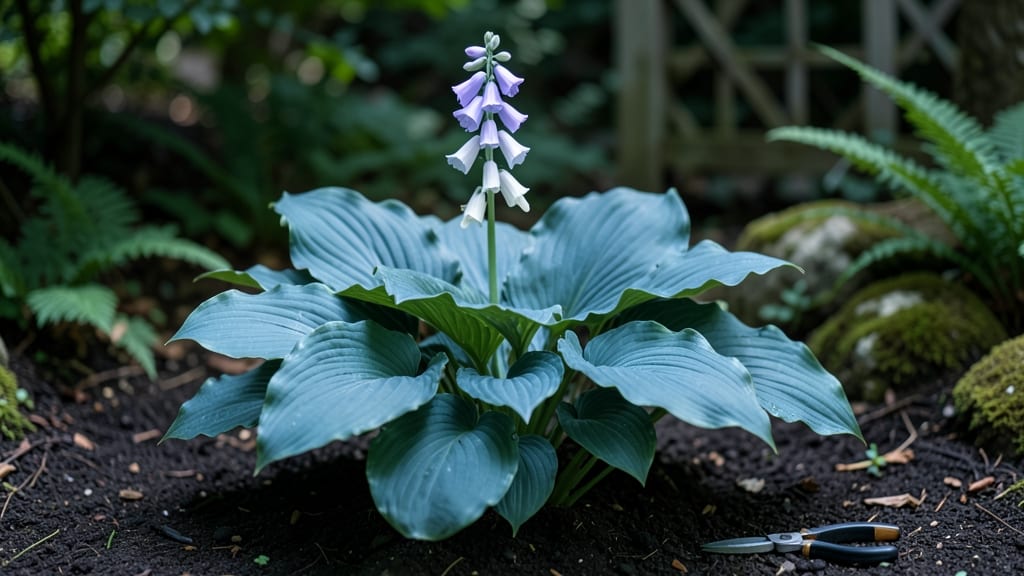
Hosta gardens pictures reveal how vibrant foliage combinations—like deep blues paired with golden centers—create striking visual impact. Layering textures with ferns, heucheras, and ornamental grasses adds depth, while seasonal light changes make these shade gardens glow year-round.
When you see the most breathtaking hosta gardens pictures, what stands out isn't just the color—it's how the light dances across ruffled leaves in morning sun or how burgundy hostas glow against silver foliage at dusk. 🌿 I've noticed that the best designs use 3-4 hosta varieties in each bed, mixing leaf shapes (sword-like, rounded, or wavy edges) to create movement.
The real magic happens in early summer when new growth emerges—those chartreuse centers pop against mature blue-green leaves like a natural highlight.
What often gets overlooked is how companion plants elevate the scene. For instance, pairing hostas with heucheras (corals) adds vertical interest, while ajuga ground cover ties everything together with its purple spikes.
I've found that adding a single ornamental grass—like Hakonechloa—can transform a flat bed into a textured masterpiece. The key is to let the hostas be the stars while supporting players fill in the gaps.
💡 In This Article
- Designing Stunning Hosta Garden Color Palettes
- Layering Hostas with Companion Plants for Depth
Designing stunning hosta garden color palettes
The secret to eye-catching hosta combinations lies in understanding color theory applied to foliage. Hostas come in over 100 shades, but the most striking pairings rely on complementary colors—deep blues (Hosta 'Blue Angel') next to golden centers (Hosta 'Golden Tiara') create instant contrast.
This works because blue and yellow are opposite on the color wheel, making them visually pop against each other. 🌿 Even variegated hostas with white edges (Hosta 'Francee') benefit from this rule when placed near deep purple foliage (Hosta 'Royal Standard'), as the white acts like a natural reflector.
Texture plays an equally vital role in harmony. Ruffled-edge hostas like Hosta 'Halcyon' add movement when paired with smooth-leaved varieties (Hosta 'Patriot'), creating visual rhythm. The contrast between wavy and straight edges mimics natural foliage patterns, while varying leaf sizes—from 4-inch broad leaves to 12-inch giants—adds dimensional depth.
Lighting amplifies these effects: morning sun enhances chartreuse centers, while evening light makes burgundy hostas glow like embers.
Seasonal shifts are where hosta gardens truly shine. New growth in spring often features more vibrant colors than mature foliage—Hosta 'Guacamole' starts lime green before mellowing to chartreuse. This natural progression gives you free color changes throughout the year.
The key is to mix varieties with different maturity timelines so your garden never looks flat. For example, Hosta 'June' (blue-green) pairs beautifully with Hosta 'Francee' (white-edged) in spring, while both mature into complementary tones by summer.
Don't overlook the science of leaf chemistry. Chlorophyll breaks down differently in various hosta types, creating those stunning color variations. Anthocyanins (the pigments in purple hostas) actually increase with cooler temperatures, which is why they often look more intense in fall.
This means your color palette can shift naturally with the seasons without extra effort. 💫 The best designs use this knowledge to create gardens that evolve rather than stay static.
For maximum impact, consider these proven pairings based on leaf characteristics:
- Deep blue hostas: Pair with golden or chartreuse varieties (e.g., 'Blue Angel' + 'Golden Tiara') for high contrast
- Variegated hostas: Combine with solid-colored foliage to make the white/yellow edges pop (e.g., 'Francee' + 'Patriot')
- Burgundy hostas: Place near silver foliage (Senecio 'Angel Wings') for dramatic contrast
Lighting conditions can make or break your color choices. In deep shade gardens, lighter hostas (Hosta 'Blue Mouse Ears') will appear more vibrant than in bright shade where darker varieties (Hosta 'Halcyon') truly shine. Test your combinations throughout the day—morning light brings out blues, while afternoon sun enhances yellows. This dynamic interplay is what makes hosta gardens feel alive rather than static. 🌟