
Size
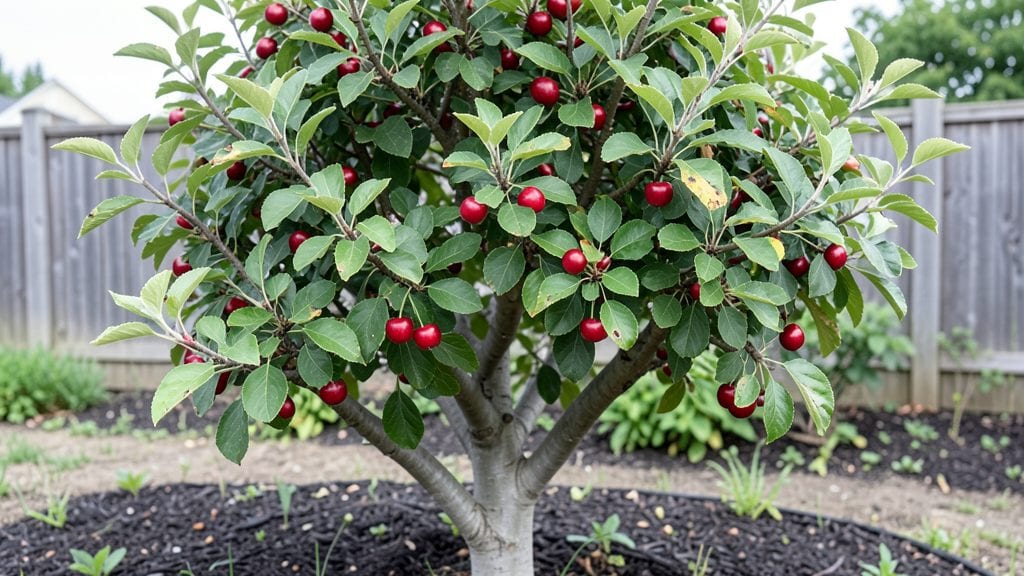
Growing garden cherries in your backyard means sweet, juicy fruit without needing an orchard. 🌱 I planted my first cherry tree last spring, and now I’m harvesting small but flavorful cherries—perfect for snacking or pies.
The key is choosing the right variety for your space and climate, because not all cherries thrive everywhere.
You’ll need a sunny spot with well-drained soil and enough room for the tree to grow—even dwarf varieties need at least 6 feet of space. Sweet cherries like ‘Stella’ or ‘Lapins’ are great for small gardens, while tart cherries like ‘Montmorency’ are hardier and easier to grow.
Plant in early spring or fall, and water deeply after planting to help roots establish.
With proper care, you’ll see blooms in spring and fruit by summer. Prune in late winter to shape the tree and remove dead branches, and fertilize lightly in early spring.
The first harvest might be small, but each year, your tree will produce more—imagine fresh cherries picked straight from your yard.
Pollination matters, so plant two compatible varieties if possible. Watch for pests like birds and aphids, but don’t worry—cherry trees are resilient once they’re established. By next summer, you’ll be enjoying homegrown fruit that tastes better than anything from the store.
📚 In This Guide
- What you need
- Instructions
- Tips and common mistakes
- Wrapping up and next steps
What you need
- ● Cherry Trees: Dwarf or semi-dwarf varieties (e.g., 'Stella,' 'Compact Stella,' or 'Black Tartarian')—1-2 trees (for cross-pollination, plant two different varieties).
- ● Potting Mix or Soil: Well-draining, slightly acidic soil (pH 6.0-6.5). For containers, use a high-quality potting mix with perlite or compost.
- ● Fertilizer: Balanced, slow-release fertilizer (10-10-10 or 5-10-10) or organic options like composted manure or worm castings.
- ● Mulch: Wood chips, straw, or shredded bark to retain moisture and suppress weeds.
- ● Garden Tools: Trowel, pruning shears, and a small shovel or spade.
- ● Containers (if applicable): Large pots (at least 15-20 gallons) with drainage holes or raised beds (minimum 3’x3’ for two trees).
- ● Watering Can or Hose: With a gentle spray nozzle for consistent moisture.
- ○ Support Stakes or Trellis (optional): For dwarf varieties to encourage upright growth.
- ● Sunlight: Full sun (6-8 hours daily)—cherries are sun-worshippers!
- ● Space: At least 6-8 feet apart for in-ground planting; closer for containers.
- ● Climate: Hardy to USDA Zones 4-8 (check your local frost dates).
- ● Patience: Cherries take 2-4 years to bear fruit—plan ahead for sweet rewards!
- ● 🌡️ Test your soil: Use a pH kit to ensure it’s in the ideal range before planting.
- ● ✨ Choose self-fertile varieties: Some like 'Stella' can pollinate themselves, but two trees still boost yield!
- ● 🔥 Prune young trees: Remove suckers and shape branches early to encourage strong growth.
Step-by-Step instructions for growing sweet garden cherries
Here's how to grow your own compact cherry harvest—even in tight spaces—using the right techniques.
🌱 Step 1: Choose and Prepare the Right Location
Garden cherries thrive in full sun with at least 6-8 hours of direct sunlight daily. Pick a spot with well-draining soil—cherry roots hate soggy conditions. I always test drainage first by digging a 12-inch hole, filling it with water, and waiting to see if it drains within 4-6 hours. If not, amend the soil with 3-4 inches of compost or plant in a raised bed.
Since these are dwarf varieties, you can grow them in containers (minimum 15-gallon pots) if space is limited. Just ensure the container has drainage holes and you use a well-draining potting mix. Avoid placing them near large trees or shrubs—their roots compete for nutrients and moisture.
🌿 Step 2: Plant Bare-Root or Potted Cherries at the Right Time
Plant your cherry tree in early spring, just as buds begin to swell but before leaves emerge. This gives roots time to establish before summer heat arrives. Dig a hole twice as wide as the root ball but only as deep—planting too deep suffocates the roots. Gently loosen any circling roots before placing the tree in the hole.
Backfill with native soil mixed with 1-2 inches of compost, tamping lightly to remove air pockets. Water deeply to settle the soil, then add 2-3 inches of mulch (like wood chips) around the base, keeping it 3 inches away from the trunk. This conserves moisture and regulates soil temperature. Avoid overwatering now—cherry roots need time to adjust.
☀️ Step 3: Provide Ongoing Care for Fruit Development
Water deeply once a week during the first growing season, aiming for 1-1.5 inches of water per week. You’ll know it’s enough when the top 2-3 inches of soil feel moist but not saturated. In containers, water more frequently—every 3-4 days—since pots dry out faster. Fertilize lightly in early spring with a balanced 10-10-10 fertilizer (about ½ cup per tree), then again after harvest.
Prune in late winter or early spring before buds swell to remove dead, crossing, or crowded branches. Thin fruit clusters to 4-6 cherries per spur (the small branch where fruit forms) to ensure larger, sweeter fruit. Watch for cherry fruit fly—cover trees with fine netting if pests are a problem in your area.
⏰ Step 4: Harvest and Maintain for Next Year
Cherries ripen in late summer, usually 80-100 days after flowering. You’ll know they’re ready when they easily detach from the tree with a gentle twist and have a deep red color. Harvest on a dry morning to avoid bruising. Handle fruit carefully—cherries bruise easily and spoil quickly.
After harvest, remove fallen fruit and debris to prevent disease. In fall, apply a 2-3 inch layer of mulch around the base (but not touching the trunk) to protect roots from freezing temperatures. Dwarf cherries are hardy but benefit from winter protection in colder climates—wrap the trunk with burlap or use a tree guard to shield from rodents.
🌱 Step 5: Encourage Pollination and Long-Term Health
Most garden cherries are self-pollinating, but planting two varieties nearby increases fruit set. Bees love cherry blossoms—avoid pesticides during bloom time. If you notice small, misshapen fruit, it’s often a sign of poor pollination or late frosts. In that case, hand-pollinate by gently brushing flowers with a soft brush.
Test soil every 2-3 years—cherries prefer a slightly acidic to neutral pH (6.0-7.0). Amend with lime if pH drops below 6.0 or sulfur if it rises above 7.0. With proper care, your dwarf cherry tree will produce fruit for 10+ years, giving you a compact, productive harvest year after year.
Tips & tricks for perfect garden cherry growth
Don't let limited space stop you—these pro tips will help your dwarf cherry tree thrive and produce sweet fruit year after year.
Sunlight Secret: Those 6-8 hours of direct sunlight are non-negotiable, but here's the thing: morning sun is more important than afternoon. Position your tree to catch the brightest morning rays, especially in containers where heat can stress roots. If your space gets afternoon shade, consider a south-facing window for container growing—just rotate the pot weekly for even exposure.
Drainage is Everything: The 4-6 hour drainage test in Step 1 is your best friend. If water pools after 6 hours, you've got a problem—cherry roots literally rot in soggy soil. For containers, add a layer of gravel or perlite at the bottom before your potting mix to create a drainage barrier. I've seen people use old terracotta pots as false bottoms—genius for urban growers!
Pruning Like a Pro: When thinning fruit clusters to 4-6 cherries per spur, think quality over quantity. Remove the smallest, weakest cherries first—they'll never ripen properly and just steal nutrients from the keepers. I like to do this in stages: first pass when cherries are golf-ball sized, second pass when they're tennis-ball sized. This gives you two chances to perfect your harvest.
Winter Protection Hack: That 2-3 inch mulch layer in fall is your tree's winter blanket. For extra protection in cold climates, wrap the trunk with burlap or straw (not plastic—it traps moisture). I've even seen people use old holiday lights wrapped around the trunk to create gentle heat during freezes. Just don't let the lights touch the bark!
Pro Tips for Grow A Garden Cherry
- Don't let limited space stop you—these pro tips will help your dwarf cherry tree thrive and produce sweet fruit year after year.
- Sunlight Secret: Those 6-8 hours of direct sunlight are non-negotiable, but here's the thing: morning sun is more important than afternoon.
- Drainage is Everything: The 4-6 hour drainage test in Step 1 is your best friend.
Frequently asked questions
Got questions about growing your own garden cherry? You’re not alone! Here are answers to the most common queries to help you cultivate a thriving, compact harvest—even in small spaces.
What’s the best time to plant garden cherries?
Plant garden cherries in early spring (after the last frost) or fall (4–6 weeks before the first frost). This gives roots time to establish before extreme temperatures. Avoid transplanting when the ground is frozen or waterlogged!
How long does it take for a garden cherry tree to bear fruit?
Dwarf varieties can produce fruit in 2–3 years, while standard trees may take 4–5 years. Patience pays off—consistent care (water, pruning, and fertilizer) speeds up fruiting. Choose self-pollinating types (like ‘Stella’ or ‘Sweetheart’) for guaranteed harvests!
Why aren’t my cherry tree leaves turning green?
Yellow or pale leaves often signal nutrient deficiencies (like nitrogen or iron) or overwatering. Test soil pH (ideal: 6.0–6.5) and amend with compost. Check for pests (aphids, spider mites) and treat with neem oil if needed. Pro tip: Mulch to retain moisture and improve soil health!
Can I grow garden cherries in containers?
Dwarf varieties thrive in 15–20 gallon pots with drainage holes. Use well-draining soil (mix potting soil with perlite) and place in full sun. Repot every 2–3 years and fertilize monthly during growing season. Bonus: Containers make cherries mobile—protect from frost by moving indoors!
Are garden cherries self-pollinating, or do I need two trees?
Some varieties (like ‘Stella’ or ‘Moregold’) are self-pollinating, but cross-pollination often yields bigger, sweeter fruit. Plant two compatible trees (e.g., ‘Sweetheart’ + ‘Lapins’) 20–30 feet apart for optimal results. Check labels for pollination needs before buying!
Wrapping up and next steps
Growing garden cherries in small spaces is not only doable—it’s a rewarding way to enjoy fresh, sweet fruit without sacrificing precious yard space! 🌱 With the right variety, container, and care, you’ll be harvesting juicy cherries in no time.
Start small, experiment with pruning, and don’t forget to share your success with neighbors or friends—cherry trees make fantastic conversation starters!
Ready to take the next step? Pick a cherry variety that suits your climate, grab your supplies, and get planting! Whether you’re a beginner or a seasoned gardener, every little effort grows into something big—literally. Happy gardening! 🍒