
Tools
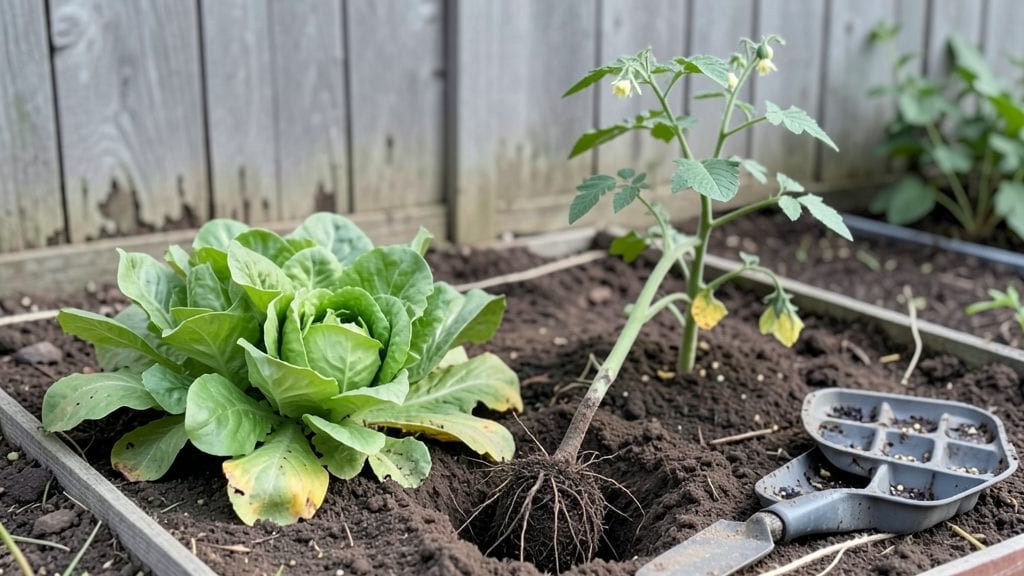
Unlock the secrets of potager garden plans that turn your yard into a lush, edible masterpiece where every path leads to fresh flavors—just like the French-inspired layouts I adore. 🌿 I fell in love with this design after seeing how vegetables, herbs, and flowers coexist without wasting a single inch. pure productivity wrapped in beauty.
The key is balancing sun-loving crops with shade-tolerant plants while keeping walkways wide enough to avoid trampling your lettuce.
Start with a simple rectangular or square layout if space is tight—my first potager fit perfectly in a 6x8-foot patch behind the shed.
Use gravel or stepping stones for paths (about 18 inches wide) to keep soil compacted, and group plants by their needs: tall tomatoes along the north side, leafy greens in partial shade, and fragrant herbs near the center where you’ll walk. The French secret?
Adding ornamental flowers like nasturtiums or marigolds to deter pests while brightening borders.
By summer, you’ll have a garden that looks like a postcard—vibrant colors, fragrant herbs, and vegetables ready to pick. The best part? It’s all designed to work with you, not against you.
No more guessing where to plant or how to arrange everything—just a thoughtful layout that delivers both beauty and bounty every season. Let’s sketch out your perfect potager today.
This approach works for any size yard, from urban balconies to spacious backyards. Even a 4x4-foot container potager can thrive with the right plant choices. The magic lies in the details—like using low-growing thyme as a living mulch or training cucumbers along trellises to save space.
Ready to create your own edible paradise?
📚 In This Guide
- What you need
- Instructions
- Tips and common mistakes
- Wrapping up and next steps
What you need
- ● Garden soil: 10–20 cubic yards of high-quality, well-draining soil (mix compost for fertility).
- ● Compost: 2–3 cubic feet per planting bed (homemade or store-bought).
- ● Mulch: Straw, wood chips, or shredded leaves (1–2 inches thick per bed).
- ● Organic fertilizer: Balanced blend (e.g., 10-10-10) or veggie-specific fertilizer.
- ○ Drip irrigation system: 50–100 feet of tubing, emitters, and a timer (optional but recommended).
- ● Seedlings/transplants: 12–24 plants (e.g., tomatoes, herbs, lettuce, carrots—choose compact varieties).
- ● Seeds: 5–10 packets (fast-growing crops like radishes, beans, or basil).
- ● Biodegradable pots: 6–12 (for seedlings or direct sowing).
- ● Hand trowel: 1 (for precision planting).
- ● Pruners: 1 pair (sharp and clean).
- ● Garden fork: 1 (for aerating soil).
- ● Watering can: 1–2 (5-gallon capacity).
- ● Measuring tape: 1 (for layout precision).
- ● Gloves: 1 pair (gardening-specific).
- ● Trellises or stakes (for climbing plants like peas or cucumbers).
- ● Decorative edging (stone, brick, or metal) to define beds.
- ● French-inspired garden art (e.g., wrought-iron plant markers or vintage signs).
- ● Soil pH test kit (to ensure optimal growing conditions).
Step-by-step instructions for designing your French-style potager
Here’s how to create a charming, productive potager in just a few focused steps—no fancy tools required.
🪴 Step 1: Choose and Prepare Your Garden Space
Pick a sunny, level spot with at least 6 hours of sunlight daily—most potagers thrive in full sun. Clear weeds and debris, then mark your layout with stakes and string to visualize beds. I like to keep mine 4 feet wide for easy reach from all sides, with 2-foot-wide paths between beds for airflow and maintenance.
For soil, enrich with 2-3 inches of compost mixed into the top 6 inches of earth. Potagers love fertile, well-draining soil—if your ground feels heavy, add coarse sand or perlite to improve drainage. Test your soil’s pH (aim for 6.0-7.0) and adjust with lime or sulfur if needed.
🌱 Step 2: Plan Your Plant Layout in French Layers
A classic potager organizes plants in three tiers: tall structures at the back, mid-height plants in the middle, and low-growing crops in front. Start by placing trellises or tall stakes (like for peas or beans) along the north edge of each bed to avoid shading shorter plants. I use 4-foot bamboo stakes for climbers and wire mesh trellises for vining plants like cucumbers.
Fill the middle layer with bushy plants like tomatoes, peppers, or herbs (basil, thyme, or rosemary). Reserve the front for spreaders like lettuce, strawberries, or carrots. Leave 12-18 inches between plants to allow airflow—crowding invites disease. Sketch your design first to avoid mistakes!
☀️ Step 3: Plant in Staggered Rows for Visual Appeal
Instead of straight rows, plant in curved or staggered lines to mimic the organic beauty of French potagers. Dig holes twice as wide as the root ball and just as deep—this encourages roots to spread outward. Water each hole before planting to help roots settle into moist soil. I like to mound soil slightly around the base of each plant to prevent water pooling.
Interplant fast growers with slow ones—for example, pair radishes (which mature in 30 days) with carrots (which take 70 days). This keeps the garden productive year-round. Mulch with 2-3 inches of straw or wood chips to retain moisture and suppress weeds. Avoid thick mulch near stems to prevent rot.
✂️ Step 4: Maintain with French Garden Care
Water deeply once or twice a week (early morning is best) to encourage strong roots—1 inch of water per week is ideal. Use a soaker hose to deliver moisture at the base without wetting leaves, which reduces fungal risks. I also rotate my watering path weekly to distribute nutrients evenly.
Prune regularly to shape plants and encourage bushiness. Pinch back leggy stems on herbs like basil to promote fuller growth. Deadhead flowers (like on nasturtiums) to redirect energy to foliage. Every 2-3 weeks, add a balanced organic fertilizer (like 10-10-10) to keep plants thriving without overfeeding.
🌿 Step 5: Harvest and Enjoy Seasonal Bounty
Harvest leafy greens (like lettuce or spinach) by cutting outer leaves to encourage regrowth. Pick herbs (basil, parsley) in the morning when oils are most potent—snip just above a leaf node to stimulate new growth. For root crops (carrots, beets), harvest when roots reach ½–¾ inch in diameter for tender texture.
Leave a few flowers (like tomatoes or peas) to set seed—this attracts pollinators and ensures next year’s harvest. At season’s end, compost spent plants (except diseased ones) and rotate crops annually to prevent soil depletion. A well-maintained potager rewards you with continuous harvests from spring to fall!
Tips & tricks for perfect potager garden plans
Creating a beautiful, functional potager takes more than just planting—here are the secrets to making your French-style garden thrive.
Sunlight Strategy: That 6 hours of sunlight is non-negotiable, but placement matters just as much. If your garden gets afternoon shade, position taller plants like tomatoes on the north side to avoid shading shorter crops. I've learned the hard way that even partial shade can reduce yields—especially for sun-lovers like basil and peppers. For maximum productivity, consider adding a small trellis system to let vining plants climb vertically, freeing up ground space for more plants below.
Soil Prep Secret: Don't skip the soil test! I've seen gardens fail because the pH was off by just 0.5 points. If your soil tests acidic (below 6.0), add lime gradually—too much at once can make the soil alkaline. For clay-heavy soil, mix in coarse sand or perlite before planting to create those perfect drainage channels. This one tweak can transform struggling plants into thriving ones overnight.
Plant Spacing Hack: Those 12-18 inch spacing guidelines might seem generous, but trust me—crowding is the #1 mistake in potagers. I once planted basil too close together, and within weeks, the center plants were wilting from poor airflow. Use a simple spacing chart or even a grid system with string and stakes to maintain consistent distances. This creates that signature French potager look while preventing disease.
Maintenance Shortcut: The 2-3 week fertilizer schedule works, but here's my pro move: mix a slow-release organic fertilizer into your soil at planting time. This gives your plants a steady nutrient supply without the hassle of regular applications. For herbs like basil and parsley, I also sprinkle a handful of coffee grounds around the base—the nitrogen boost keeps them lush without overfeeding.
Pro Tips for Potager Garden Plans
- Creating a beautiful, functional potager takes more than just planting—here are the secrets to making your French-style garden thrive.
- Sunlight Strategy: That 6 hours of sunlight is non-negotiable, but placement matters just as much.
- Soil Prep Secret: Don't skip the soil test!
Frequently asked questions
Got questions about planning your potager garden? You’re not alone! Here are some of the most common queries—and their practical answers—to help you get started with confidence.
What’s the best time of year to start a potager garden?
The ideal time depends on your climate, but most gardeners begin in early spring (as soon as the soil is workable) or late summer/early fall for a fall harvest. In warmer zones, you can plant year-round! Start with cold-hardy crops like lettuce or peas in spring, then transition to heat-lovers like tomatoes or basil as temperatures rise.
How much space do I really need for a potager?
A potager thrives in compact spaces—even a 4’x4’ plot can yield bountiful harvests! Plan for 1–2 square feet per plant (more for sprawling veggies like zucchini). Raised beds or vertical gardening (e.g., trellises for beans) maximize space. Remember: Less is more—focus on a few high-value crops to avoid overwhelm.
Are there budget-friendly ways to set up a potager?
Skip expensive soil mixes by using compost, leaves, or grass clippings for mulch. Repurpose materials like wooden pallets, bricks, or cinder blocks for raised beds. Swap store-bought plants for seedlings from local nurseries or even cuttings from herbs. A potager doesn’t need to break the bank—just creativity!
How do I keep pests out of my potager without chemicals?
Prevention is key! Use row covers, companion planting (e.g., marigolds with tomatoes), and handpicking pests (like squash bugs). Introduce beneficial insects (ladybugs, lacewings) or spray homemade remedies (neem oil, garlic spray). Healthy soil = resilient plants—rotate crops yearly to disrupt pest cycles.
Can I grow a potager in containers or small urban spaces?
Yes! Container potagers are perfect for balconies, patios, or tiny yards. Use 5-gallon buckets, window boxes, or fabric grow bags for herbs, lettuce, and dwarf varieties. Opt for vertical gardening (e.g., hanging baskets for strawberries) to stack crops. Just ensure containers have drainage and depth (6+ inches for most veggies).
Wrapping up and next steps
Creating a potager garden is more than just gardening—it’s an artful way to grow fresh, flavorful produce in a space that’s both functional and beautiful. Whether you’re working with a cozy balcony or a backyard nook, these French-inspired plans prove that small spaces can yield big harvests! 🌱✨
Now that you’re armed with layouts, tips, and answers to common questions, it’s time to roll up your sleeves and get growing. Start by sketching your design, gathering your tools, and planting those first seeds—your future salads, soups, and side dishes are waiting! 🥕🍅