
Lawn
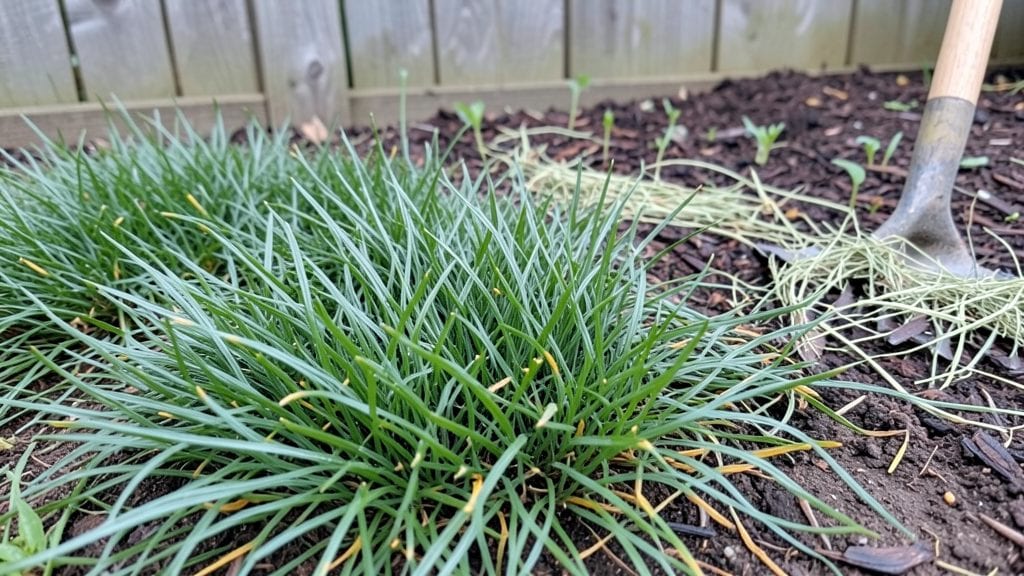
Instead of tossing them, use grass clippings in garden—they’re a nitrogen-rich fertilizer that transforms dry soil into vibrant growth with just the right technique. ✨ I've turned my own clippings from yard nuisance to garden gold in just a few minutes a week.
Start by letting clippings dry on the lawn for 24-48 hours before collecting—this prevents matting and reduces disease risk. For compost, mix them with equal parts browns (leaves, straw) to balance moisture and speed decomposition.
Too much fresh grass creates a smelly, anaerobic mess, but dried clippings blend seamlessly into garden beds.
Spread them directly around heavy feeders like tomatoes, corn, or leafy greens for an instant nitrogen boost. Or use as mulch to retain moisture and smother weeds—just keep them 2-3 inches thick to avoid compacting soil.
The results? Vibrant foliage, fewer fertilizer purchases, and a yard that actually works with you.
Works in spring, summer, and fall—just avoid using clippings from lawns treated with herbicides. For winter, save dried clippings to top compost piles or protect perennials from freeze-thaw cycles. Let's put that grass to work!
📚 In This Guide
- What you need
- Instructions
- Tips and common mistakes
- Wrapping up and next steps
What you need
- ● Fresh grass clippings – Collect from mowing (avoid clumps; aim for thin layers, ~½ inch thick or less).
- ● Garden bed or compost bin – A designated area (raised beds, in-ground plots, or a compost pile) with good airflow.
- ● Garden gloves – Protect your hands from sharp grass blades and potential irritants.
- ● Watering can or hose – Keep clippings moist (like a damp sponge) to speed up decomposition.
- ● Shovel or rake – For spreading clippings evenly (1–2 inches thick max) or mixing with soil.
- ● Compost thermometer – Monitor heat (ideal: 130–160°F) for faster breakdown.
- ● Carbon-rich additives – Brown materials like dried leaves, straw, or shredded newspaper to balance nitrogen-heavy clippings (aim for a 3:1 carbon-to-nitrogen ratio).
- ● Lawn topdressing spreader – For even distribution over large lawn areas.
- ● Compost sifter – If you want fine, screen-sized compost for seedlings or potted plants.
- ● Mulching mower – If you’re directly returning clippings to the lawn, a mulching blade helps chop them finer.
- ● Avoid chemical treatments – Wait 3–4 weeks after herbicide/pesticide use before using clippings.
- ● Check for weeds – If your lawn has weeds, compost clippings at high heat (140°F+) to kill seeds.
- ● Drainage matters – Ensure your compost area has holes or is on a raised platform to prevent sogginess.
Step-by-step guide to using grass clippings in your garden
Turn yard waste into garden gold with this simple, nutrient-rich process.
🌱 Step 1: Collect and Dry Grass Clippings
Gather fresh grass clippings immediately after mowing to prevent them from becoming too damp or moldy. Spread them evenly in a single layer on a tarp or flat surface in a sunny spot. This allows them to dry out for 24-48 hours—you'll know they're ready when they feel crisp and brittle to the touch. Drying prevents matting and speeds up decomposition.
If you're short on time, you can use slightly damp clippings directly, but they'll take longer to break down. Just avoid using clumps or clogged mower discharge, which can create anaerobic pockets that smell foul. A well-dried batch will crumble easily when rubbed between your fingers.
💧 Step 2: Layer Clippings in a Compost Pile or Bin
Add the dried clippings to your existing compost pile or bin, mixing them with equal parts brown materials (like dried leaves, straw, or shredded paper) to balance nitrogen and carbon. Aim for a ratio of 1 part grass clippings to 2 parts browns—this prevents the pile from becoming too nitrogen-heavy and smelly. Turn the pile with a garden fork to aerate and distribute moisture evenly.
If you don’t have a compost bin, create a simple pile in a shaded corner of your garden. Keep it moist like a damp sponge—if it feels dry, sprinkle water; if it’s soggy, add more browns. A properly layered pile will heat up within 3-5 days, signaling active decomposition. Check the center temperature with your hand—it should feel warm but not scorching.
☀️ Step 3: Incorporate into Garden Soil or Mulch Beds
Once the clippings have broken down into a dark, crumbly texture (usually 2-4 weeks for dried clippings), mix them directly into garden beds or use them as mulch. Spread a 1-2 inch layer around plants, keeping it 2-3 inches away from stems to prevent rot. This adds organic matter, improves soil structure, and retains moisture—perfect for drought-prone areas.
For established lawns, lightly rake decomposed clippings into the soil after mowing. This feeds the grass roots without smothering them, promoting deeper growth. Avoid piling clippings thicker than ½ inch in one spot, as this can block sunlight and suffocate grass blades. A thin, even layer works best for gradual nutrient release.
✂️ Step 4: Monitor and Adjust for Optimal Results
After applying clipping-based compost, water the area lightly to help nutrients integrate into the soil. Check the soil moisture weekly—grass clipping compost can dry out faster than traditional compost, so top up as needed. You’ll see improved soil texture within 4-6 weeks, with plants showing darker green leaves and stronger stems.
If you notice any foul odors, your pile may need more aeration or brown materials. A healthy compost pile should smell earthy, not like ammonia or rot. Adjust by adding more dried leaves or straw to balance moisture and carbon. Over time, you’ll create a self-sustaining cycle where your lawn’s waste becomes your garden’s best fertilizer.
Tips & tricks for perfect grass clipping compost
A few key strategies will help you transform yard waste into garden gold without the common pitfalls.
Drying Efficiency: The 24-48 hour drying window is crucial for preventing mold and ensuring proper decomposition. For faster results, spread clippings on a wire mesh screen or old window screen instead of a tarp—this allows airflow on both sides, cutting drying time by up to 25%. Just be prepared to check them more frequently, especially if humidity is high. I've found that early morning mowing gives you the driest clippings since dew hasn't settled yet.
Brown Material Selection: When balancing your 1:2 ratio of grass clippings to browns, don't overlook these underrated options: shredded newspaper (black and white only), coffee grounds, or even wood ash from untreated wood fires. These materials add valuable micronutrients while maintaining the proper carbon-to-nitrogen balance. Avoid treated wood ash or anything with chemical additives—your plants will thank you with vibrant growth.
Pile Maintenance: The 3-5 day heat-up period is your signal that decomposition is actively working. Use this as your guide rather than a strict timeline—some piles heat up faster in warm weather, while cooler conditions may extend this phase. I recommend turning your pile every 3-4 days during this active phase to maintain proper aeration. This prevents compaction and ensures even decomposition throughout.
Application Technique: When applying your finished compost, remember that less is often more. That 1-2 inch layer recommendation isn't just about quantity—it's about creating a living mulch that gradually releases nutrients. For established lawns, I've found that applying a thin layer (about ¼ inch) every few weeks during growing season prevents thatch buildup while feeding roots continuously. The key is consistency over quantity.
Pro Tips for Use Grass Clippings In Garden
- A few key strategies will help you transform yard waste into garden gold without the common pitfalls.
- Drying Efficiency: The 24-48 hour drying window is crucial for preventing mold and ensuring proper decomposition.
- These materials add valuable micronutrients while maintaining the proper carbon-to-nitrogen balance.
Frequently asked questions
Got questions about using grass clippings in your garden? You’re in the right place! Here are some common concerns—and straightforward answers—to help you get the most out of your lawn waste.
Can I use grass clippings directly on my garden beds?
Fresh grass clippings can mat down and block sunlight, smothering plants. Instead, mow high (3–4 inches) and spread them thinly on mulch or compost piles. For immediate garden use, mix them with brown materials (like leaves or straw) in a 1:2 ratio to balance nitrogen and prevent odor.
How soon after mowing can I use clippings in my compost?
Add clippings to your compost pile immediately after mowing—they decompose fast! For a quick fix, chop them with a shredder or mower bagger to speed up the process. If composting isn’t an option, spread them on your lawn (they’ll return nutrients as they break down).
What if my grass clippings smell bad?
A foul odor usually means clippings are too thick or mixed with damp soil. Fix it by:
- Spreading clippings in a thin layer (¼ inch or less).
- Aerating the pile with a rake or shovel to add oxygen.
- Mixing in dry leaves, straw, or wood chips to absorb moisture.
Are there plants that don’t like grass clippings?
Most plants thrive with grass clippings, but acid-loving plants (like blueberries or azaleas) or delicate perennials (e.g., hostas) may struggle if clippings are applied too thickly. For these, use clippings as mulch around the base (not directly on foliage) or compost them first.
What’s the best alternative if I don’t have grass clippings?
No grass clippings? No problem! Use these nitrogen-rich alternatives for compost or garden beds:
- Coffee grounds (from your kitchen)
- Fresh manure (well-aged, like cow or horse)
- Green plant trimmings (weeds without seeds, veggie scraps)
- Alfalfa or clover hay (available at garden centers)
Wrapping up and next steps
Using grass clippings in your garden is a game-changer—it’s free, eco-friendly, and packed with nutrients to supercharge your soil! 🌱 Whether you’re composting, mulching, or fertilizing, these simple steps turn yard waste into garden gold. Start small, experiment with methods, and watch your plants thrive with minimal effort.
Ready to level up your gardening game? Grab those clippings and get growing—your future garden (and the planet) will thank you! Next up: Try one technique this weekend and share your results with fellow green thumbs. 🌿✨