
Size
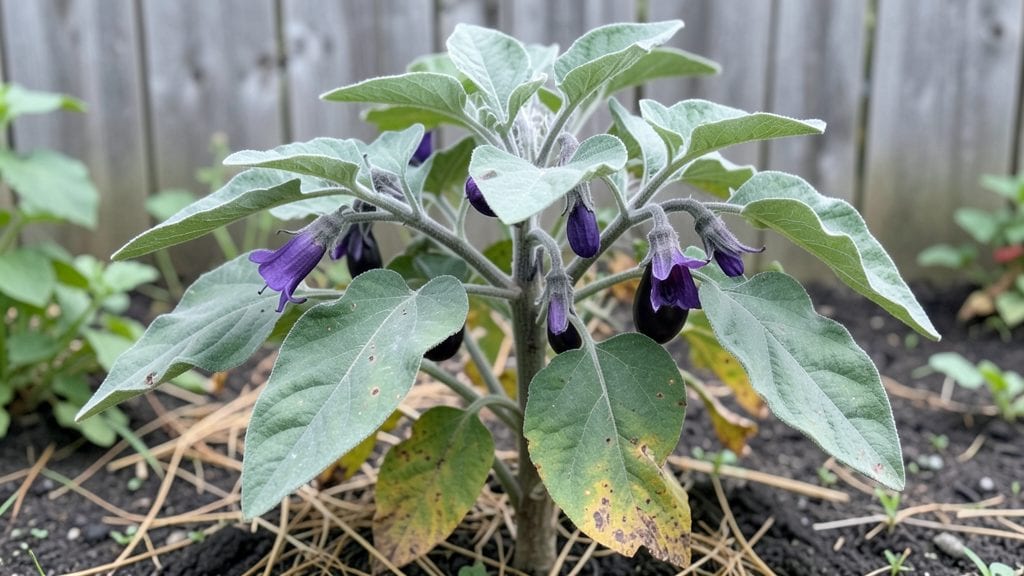
Growing garden eggplant from seed to harvest in just eight weeks might sound ambitious, but I’ve done it three summers in a row—starting with tiny seeds and ending with glossy purple fruits the size of softballs.
The key isn’t luck; it’s timing, heat, and a little patience. My first batch of seedlings emerged in late April, and by July, I was picking eggplants from plants that barely filled a 5-gallon pot.
You’ll need rich, well-draining soil mixed with compost, a sunny spot that gets at least six hours of direct sunlight daily, and consistent moisture—never soggy, never dry. Eggplants are heavy feeders, so side-dress with compost halfway through the growing season for that extra boost.
The biggest mistake beginners make? Letting the soil dry out, which causes bitter fruit and cracked skins. Trust me, your first harvest will taste sweeter if you keep the roots happy.
By week eight, you’ll be harvesting eggplants that are firm, deep purple, and packed with flavor—nothing like the mealy store-bought versions. The plants keep producing for weeks if you keep them well-watered and pruned.
I’ve even grown them in containers on my balcony, proving you don’t need a big backyard to enjoy homegrown eggplant. The first bite is always a victory.
This method works for any climate zone, though warmer regions can stretch the season even longer. If you’re in a cooler area, start seeds indoors six weeks before your last frost date. The payoff? Fresh, homegrown eggplants that taste like summer in every bite. Let’s get those seeds started!
📚 In This Guide
- What you need
- Instructions
- Tips and common mistakes
- Wrapping up and next steps
What you need
- ● Eggplant seeds: 3–5 seeds (choose heirloom or hybrid varieties like 'Black Beauty' or 'Ichiban' for reliability).
- ● Seed-starting mix: 1–2 gallons (sterile, lightweight potting soil with perlite or vermiculite).
- ● Seed trays or small pots: 4–6 (3–4 inches deep) with drainage holes.
- ● Grow lights or sunny windowsill: 6–8 hours of light daily (or a sunny south-facing window).
- ● Transplant containers: 1–2 (5-gallon pots or fabric grow bags) for seedlings after 4–6 weeks.
- ● Well-draining garden soil: Amended with compost (pH 5.8–6.5).
- ● Organic fertilizer: Balanced 10-10-10 or compost tea (follow package instructions).
- ● Spray bottle: For gentle watering of seeds.
- ● Hand trowel or small shovel: For transplanting seedlings.
- ○ Pruners or scissors: To trim suckers (optional, for bushier plants).
- ● Mulch (straw or black plastic): To retain moisture and suppress weeds.
- ○ Support stakes or cages (optional): For larger varieties like 'Rosa Bianca' (6–8 ft tall).
- ● Warmth: Eggplants thrive in full sun (6+ hours/day) and warm soil (70°F+)—wait until after the last frost!
- ● Patience: From seed to harvest takes 8–12 weeks (or longer for larger varieties).
- ● Space: Plants need 18–24 inches apart in rows 3 feet apart.
Step-by-step instructions for growing eggplants at home
Here's how to nurture healthy eggplants from seed to harvest in just 8 weeks.
Start Seeds Indoors for Early Growth
Fill small seedling trays with the seed-starting mix you've prepared, leaving about ½ inch of space at the top. Plant 2-3 seeds per cell at a depth of ¼ inch, then lightly cover with more mix. Keep the soil consistently moist but not soggy—eggplant seeds need warmth to germinate.
Place the trays in a warm area with a seedling heat mat set to 75-85°F. Germination typically takes 7-14 days, depending on your home's temperature. Once sprouts appear, remove the weakest seedling in each cell, leaving only the strongest. This prevents overcrowding and gives your eggplant room to grow.
Transplant Seedlings When Strong Enough
After 4-6 weeks, when seedlings have 3-4 true leaves, it's time to transplant them into larger 5-inch pots. Use the same seed-starting mix and fill the pots to within 1 inch of the rim. Gently remove the seedlings from their trays, keeping the root ball intact, and place them in the new pots.
Press the soil lightly around the base of each seedling to secure it. Water thoroughly until water drains from the bottom of the pots. Place the seedlings in a sunny spot, ensuring they get 6-8 hours of light daily. If natural light is insufficient, supplement with a grow light kept 2-3 inches above the plants.
Harden Off and Prepare for Outdoor Planting
About 2 weeks before your last frost date, begin hardening off your seedlings. Start by placing them outside in a sheltered, shaded area for 1-2 hours the first day. Gradually increase their outdoor time over 7-10 days, exposing them to more sunlight and wind each day. This helps them adjust to outdoor conditions without shock.
Once seedlings can handle a full day outside without wilting, they're ready for the garden. Choose a location with full sun and well-draining soil. Plant seedlings 12-18 inches apart in rows spaced 2-3 feet apart. Water deeply after planting to help the soil settle around the roots.
Maintain Soil and Water for Healthy Growth
Keep the soil consistently moist, especially during flowering and fruiting stages. Water 1-2 inches deep every 2-3 days, adjusting based on rainfall and temperature. Mulch around the base of plants with 2-3 inches of organic mulch to retain moisture and suppress weeds. Avoid wetting the leaves when watering to prevent disease.
Fertilize every 2-3 weeks with a balanced liquid fertilizer diluted to half strength. Eggplants are heavy feeders, so consistent nutrition ensures strong growth and abundant fruit. Watch for pests like aphids or flea beetles, and treat them promptly with neem oil or insecticidal soap if needed.
Harvest Eggplants at Peak Ripeness
Eggplants are ready to harvest when they reach 6-8 inches in length and have a glossy, deep purple skin. Use a sharp knife or pruners to cut the fruit from the plant, leaving a small stem attached. Harvest regularly to encourage more production—eggplants produce continuously throughout the season.
For best flavor, harvest in the morning when the fruit is cool. Store eggplants in the refrigerator for up to 5 days, or use them fresh in your favorite recipes. With proper care, you'll enjoy a bountiful harvest of plump, flavorful eggplants in just 8 weeks!
Tips & tricks for growing perfect garden eggplants
A few key strategies will help you avoid common pitfalls and maximize your eggplant harvest from seed to table.
Seedling Heat Mat Tip: The 75-85°F range on your seedling heat mat is crucial—eggplant seeds need consistent warmth to germinate. If your home stays below 70°F, consider using a small greenhouse or placing the trays on top of your refrigerator to maintain the right temperature. I learned this the hard way after waiting weeks for seeds that never sprouted in a cooler kitchen.
Lighting Strategy: Those 6-8 hours of daily light are non-negotiable for strong seedlings. If your natural light is insufficient, position grow lights just 2-3 inches above the plants—they should feel a gentle warmth. I use a timer to ensure consistent light exposure, which prevents leggy seedlings that struggle to support themselves later.
Transplanting Technique: When moving seedlings to 5-inch pots, focus on keeping that root ball intact—gentle is better than fast. Press the soil lightly around the base to secure plants without compacting the roots. This step prevents transplant shock, which can set your eggplants back by weeks during their critical growth phase.
Harvesting Hack: The 6-8 inch size guideline is perfect, but don't wait until they're larger—eggplants grow quickly and can become bitter if left on the vine too long. I harvest mine every morning, which also encourages the plant to produce more fruit throughout the season. Always use clean pruners to avoid introducing diseases through cuts.
Pro Tips for Grow A Garden Eggplant
- A few key strategies will help you avoid common pitfalls and maximize your eggplant harvest from seed to table.
- Seedling Heat Mat Tip: The 75-85°F range on your seedling heat mat is crucial—eggplant seeds need consistent warmth to germinate.
- Lighting Strategy: Those 6-8 hours of daily light are non-negotiable for strong seedlings.
Frequently asked questions
about growing eggplants—because even the greenest thumbs need a little guidance! Here are answers to the most common queries to help you cultivate a thriving garden harvest.How long does it take for eggplant seeds to germinate?
Eggplant seeds typically sprout within 7–14 days after planting, depending on soil warmth (aim for 70–85°F). Keep soil consistently moist and use a heat mat if your climate is cool. Patience is key—don’t disturb the soil while waiting!
Can I grow eggplants in containers, or do they need a full garden bed?
Eggplants thrive in 5-gallon+ containers with drainage holes. Choose compact varieties like ‘Fairy Tale’ or ‘Patio Baby’ for smaller spaces. Just ensure they get 6–8 hours of sunlight daily and use nutrient-rich potting mix.
What are the most common pests or diseases to watch for with eggplants?
Keep an eye out for aphids, flea beetles, and spider mites (use neem oil or insecticidal soap). Fungal issues like powdery mildew or blight can strike if humidity is high—improve airflow, avoid overhead watering, and rotate crops yearly.
Do eggplants need a long growing season, or can I grow them quickly?
Eggplants love warmth and take 70–90 days to mature from seed. Start seeds indoors 8–10 weeks before last frost or transplant young plants after soil reaches 55°F+. In short seasons, opt for faster varieties like ‘Black Beauty’ or ‘Ichiban.’
Why are my eggplants flowering but not producing fruit?
Lack of fruit can stem from poor pollination, heat stress, or over-fertilizing with nitrogen. Hand-pollinate flowers with a soft brush if bees are scarce, ensure temps stay above 60°F, and switch to a low-nitrogen, high-phosphorus fertilizer to encourage fruiting.
Wrapping up and next steps
Growing your own eggplants is a rewarding journey that brings vibrant flavors and a sense of accomplishment to your garden! 🌱 With the right soil, spacing, and care, you can enjoy a bountiful harvest in just 8 weeks.
Whether you're a beginner or a seasoned gardener, every step—from seed to harvest—is a chance to connect with nature and savor homegrown goodness.
Ready to take the next step? Start by planting your seeds today and watch your garden transform into a thriving eggplant oasis. Happy growing! 🌿