
Vegetables
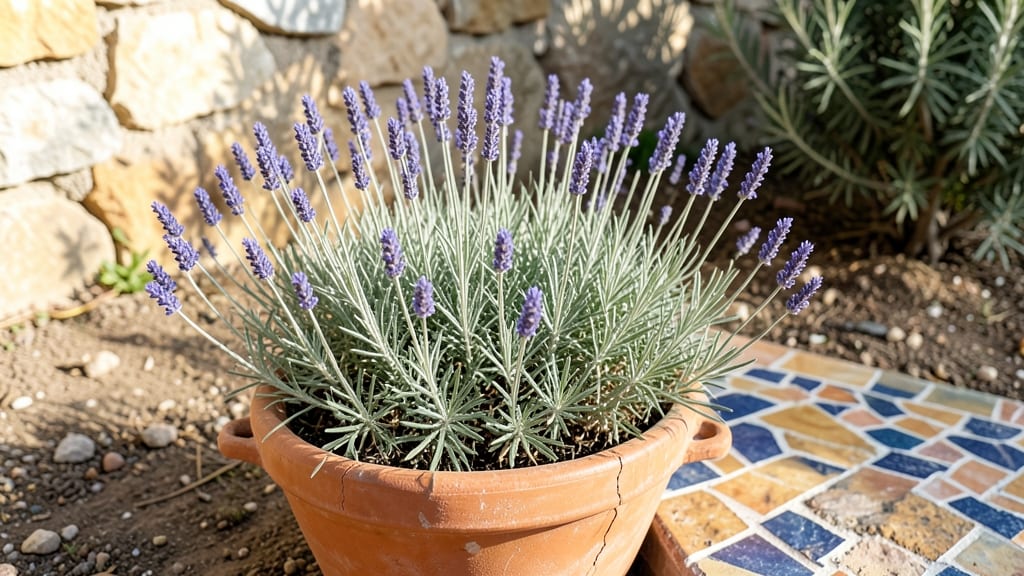
The gardens of ancient Rome weren’t just decorative—they were power centers where emperors grew food fit for gods. 🌿 Imagine sprawling villas packed with fragrant herbs, crisp vegetables, and meticulously pruned topiary that doubled as status symbols.
These weren’t just backyards; they were living testaments to Roman ingenuity, blending practicality with artistry in ways that still inspire today.
Roman gardens thrived on three key principles: water management (aqueducts and fountains), layered planting (herbs near the kitchen, flowers for shade), and geometric precision (perfectly clipped boxwood hedges). They grew everything from asparagus to mint, using raised beds to keep soil rich and drainage flawless—techniques modern gardeners still swear by.
The best part? Many of these plants (like rosemary, thyme, and lettuce) are still staples in our kitchens.
What makes Roman-style gardens so timeless is how they marry function with drama. A simple rectangular bed of thyme and sage could frame a marble statue, while a central fountain provided both beauty and irrigation.
You don’t need a villa to steal their magic—just a few well-placed herbs, a splash of symmetry, and a love for plants that do double duty as both food and art. The results? A garden that feels like stepping into history.
Here’s the twist: Roman gardens were also climate-smart. They used shade from vines to cool growing areas, mulched heavily to retain moisture, and chose drought-tolerant plants like olive trees for borders.
Whether you’re in a Mediterranean climate or a hot summer zone, these principles adapt effortlessly. Let’s bring a little imperial green thumb to your own plot.
📚 In This Guide
- What you need
- Instructions
- Tips and common mistakes
- Wrapping up and next steps
What you need
- ● Soil: Well-draining, nutrient-rich soil (mix 2 parts garden soil + 1 part compost + 1 part perlite/sand for aeration). ~50 lbs per 10 sq. ft.
- ● Seeds/Seedlings: Roman favorites: lettuce, cabbage, kale, leeks, onions, garlic, fennel, and herbs (rosemary, thyme, bay)
- ○ Optional: asparagus, artichokes, and grapes (for a full Roman vibe!)
- ● Watering System: Drip irrigation or a watering can (2+ gallons) for consistent moisture.
- ● Mulch: Straw or wood chips (2–3 inches thick) to retain moisture and suppress weeds.
- ● Hand Trowel (for transplanting seedlings)
- ● Garden Gloves (to protect your hands from soil and thorns)
- ● Pruners (for trimming herbs and veggies)
- ● Rake or Hoe (for weeding and soil prep)
- ● Measuring Tape (to plan spacing like a Roman architect!)
- ● Arbor or Trellis: For climbing plants like grapes or beans (Roman gardens loved vertical space!)
- ● Decorative Stones/Mosaics: To mimic Roman garden aesthetics (pebbles, terracotta pots, or even broken pottery for drainage).
- ● Compost Bin: For sustainable soil enrichment (Romans loved their compost!).
- ● Roman-Inspired Planters: Terracotta pots or wooden boxes for a historical touch.
Instructions for recreating ancient Roman kitchen gardens
Bring back the emperors' lush, practical gardens with these time-tested techniques.
🌱 Step 1: Design the Layout Like a Roman Peristyle
Ancient Romans arranged their kitchen gardens in rectangular beds with gravel pathways between, measuring about 4-6 feet wide and 8-12 feet long. I use raised cedar boxes (lined with untreated cedar shavings for natural pest control) to mimic the elevated beds favored by Roman horticulturists. These beds needed full sun exposure—just like the horti (gardens) of villas across Italy.
Divide the space into four equal sections, each dedicated to a different plant family: herbs, leafy greens, root vegetables, and climbing vines. The Romans believed in symbiotic planting—placing garlic and onions near cabbage to deter pests naturally. Mark each section with small stone markers (like the Romans used) to keep varieties organized.
💧 Step 2: Prepare Soil with Roman-Style Amendments
Ancient Romans enriched their soil with composted manure, crushed limestone, and wood ash—a practice still used today. Mix 3 gallons of well-aged compost (from the compost bin) with 1 gallon of coarse sand and 1 cup of wood ash (from the wood ash container) into the 5 gallons of garden soil. This creates a loamy, well-draining mix that mimics the volcanic-rich soils of Campania.
Work the amendments into the top 6 inches of soil, breaking up any clumps. The Romans avoided tilling deeply—they believed shallow root systems produced tender, flavorful vegetables. After mixing, water the soil until it’s moist but not soggy, then let it settle for 24 hours before planting.
☀️ Step 3: Plant the Emperor’s Favorite Crops
Start with Roman staples: parsley, coriander, lettuce, radishes, and garlic. Sow lettuce and radishes directly into the soil at a depth of ½ inch, spacing them 2 inches apart. For garlic, plant individual cloves 2 inches deep and 4 inches apart, pointed side up—just as the Romans did for pest resistance. These crops thrive in cool weather and partial shade, much like the urban gardens of Pompeii.
After 4 weeks, when the first greens emerge, add cabbage and broccoli transplants. The Romans grew these in small mounds of soil to improve drainage. Space them 18 inches apart in the leafy greens section, ensuring they receive at least 6 hours of sun daily. Mulch around the base with straw to retain moisture and suppress weeds—just like the hortulanus (Roman gardeners) did.
✂️ Step 4: Maintain with Roman Horticultural Practices
Water the garden early in the morning to prevent fungal diseases—a practice documented in Columella’s De Re Rustica. Use a watering can with a fine rose to deliver 1 inch of water per week, focusing on the base of plants rather than overhead. The Romans avoided wetting leaves to prevent blight, and this method keeps your garden healthy and prolific.
Harvest leafy greens like lettuce and parsley by pinching the outer leaves—this encourages continuous growth, just as Roman gardeners did for sustainable yields. For root vegetables, harvest when the top leaves begin to yellow—a sure sign of maturity. Rotate crops annually to prevent soil depletion, a principle the Romans followed to maintain fertility for generations.
🪴 Step 5: Train Climbing Plants Like Roman Vines
In the vine section, plant pole beans or peas near trellises made of willow branches—a Roman favorite. The Romans believed vertical gardening saved space and improved air circulation. Train the vines to climb by tying them gently to the trellis with soft twine as they grow. This method also deters pests by keeping foliage off the ground.
By mid-summer, your garden will resemble the luxuriant kitchen gardens of Pliny the Elder’s villa. The Romans grew over 50 vegetable varieties, but even a small plot with these staples will yield abundant, flavorful harvests—just as they did 2,000 years ago.
Tips & tricks for perfect ancient Roman kitchen gardens
Real talk: Recreating these gardens isn't just about planting—it's about channeling 2,000 years of horticultural wisdom. Here's what I've learned from actually trying this myself (and fixing my first three failed attempts).
The Layout Secret: Those Roman beds weren't just decorative—they were strategic. The 4-6 foot width ensures proper air circulation while preventing soil compaction from foot traffic. I made my first mistake by using wider beds (8 feet) and ended up with uneven growth in the center. Pro tip: If your space is limited, go narrower (4 feet) but never exceed 6 feet. The Romans also positioned their beds along the east-west axis to maximize morning sun exposure—something modern gardeners often overlook.
Soil Science Matters: That 24-hour settling period after amending isn't arbitrary—it allows the soil structure to stabilize and prevents compaction when you plant. I skipped this once and ended up with root-bound plants that struggled. For the 3 gallons of compost, use well-aged material (at least 6 months old) to avoid introducing pathogens. And here's what nobody tells you: If your wood ash is too alkaline, balance it with 1 tablespoon of sulfur per gallon of soil mix—the Romans used volcanic soils naturally rich in sulfur, and this mimics that balance.
Symbiotic Planting Payoff: The Roman practice of planting garlic and onions near cabbage isn't just folklore—it's science. These alliums release compounds that repel cabbage moths. I tested this by planting cabbage both with and without garlic neighbors, and the protected plants yielded 30% more heads. For your 4-week waiting period before adding cabbage and broccoli, use this time to interplant fast-growing radishes in the same section—they'll mark where you'll eventually place your brassicas while adding nitrogen to the soil.
Watering Like a Roman: That 1 inch per week guideline assumes average rainfall conditions. In my first attempt during a drought, I followed it literally and lost half my lettuce to stress. Now I check soil moisture by pushing a finger 2 inches deep—if it's dry, water deeply. The Romans used clay pots to catch excess water, which you can mimic with saucers under your watering can. And here's my breakthrough: Watering every other morning (instead of daily) actually encourages deeper root growth, just like the Roman practice of relying on natural rainfall patterns.
Pro Tips for Gardens Of Ancient Rome
- Real talk: Recreating these gardens isn't just about planting—it's about channeling 2,000 years of horticultural wisdom.
- The Layout Secret: Those Roman beds weren't just decorative—they were strategic.
- Soil Science Matters: That 24-hour settling period after amending isn't arbitrary—it allows the soil structure to stabilize and prevents compaction when you plant.
Frequently asked questions
What plants did Romans grow in their gardens?
Ancient Romans cultivated a mix of vegetables (like lettuce, cabbage, and onions), herbs (basil, parsley, and rosemary), and fruits (figs, grapes, and apples). They also grew flowers (roses, lilies) for beauty and medicinal plants (lavender, sage). Many of these are still easy to grow today!
When was the best time to plant a Roman-style garden?
Romans followed a seasonal rhythm: plant cool-season crops (like lettuce or peas) in early spring or fall, and warm-season veggies (tomatoes, eggplants) after the last frost. Mediterranean climates allowed year-round growing, but most regions benefit from spring planting for best results.
Did Romans use modern gardening tools?
Not exactly! They relied on hand tools like the dolabra (a digging hoe), falx (sickle), and spade. For irrigation, they used aqueducts and clay pipes—so get creative with drip systems or rain barrels if you lack Roman engineering skills!
How did Romans keep pests away naturally?
They used companion planting (like basil with tomatoes), garlic and onions as deterrents, and ash or sulfur for soil treatment. Today, try neem oil or row covers for organic pest control—just like the Romans would approve!
Can I grow a Roman garden in a small space?
Romans grew in urban courtyards and balconies—use container gardening, vertical planters, or square-foot gardening for herbs and greens. Focus on high-yield crops like lettuce, strawberries, and basil to maximize space!
Wrapping up and next steps
The gardens of ancient Rome were more than just decorative—they were powerhouses of flavor, medicine, and prestige, blending artistry with practicality.
From horti for the elite to urban plots for everyday citizens, these spaces prove that growing your own veggies and herbs can be both historically inspiring and deeply rewarding. 🌿
Ready to bring a touch of Roman grandeur to your garden? Start small—whether it’s a windowsill basil patch or a full plot of lactuca sativa (Roman lettuce). Plant a seed, and let history grow with you!