
Advice
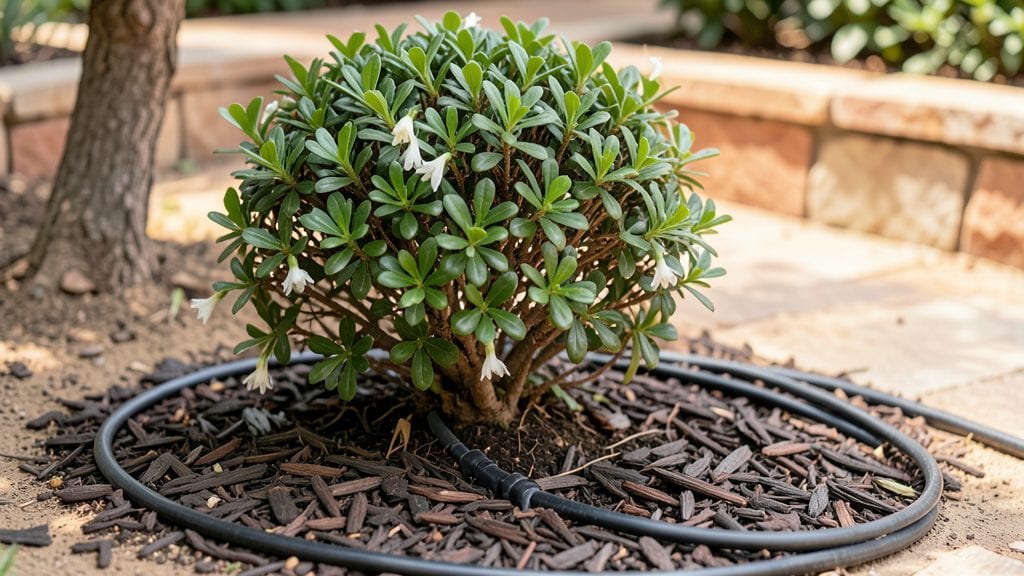
Gardening in Northern California thrives by leveraging its diverse microclimates—from coastal fog belts to inland valleys—while prioritizing drought-tolerant, fire-resistant plants like ceanothus and lavender. Layer mulch, group plants by water needs, and use drip irrigation to conserve water in the state’s Mediterranean climate. Soil amendments like compost improve retention, and windbreaks protect gardens in exposed areas.
Northern California's gardening success hinges on understanding its unique climate zones, where coastal areas enjoy milder temperatures year-round while inland valleys experience hotter summers and cooler winters. 🌿 The key is matching plants to these conditions—coastal gardens can handle moisture-loving species like ferns, while inland spots thrive with succulents that store water efficiently.
I've found that even small yards can benefit from this approach, creating thriving spaces that require minimal extra water once established.
Beyond plant selection, smart water management makes all the difference in this drought-prone region. Grouping plants with similar water needs together creates "hydrozones" that simplify irrigation, while mulching with wood chips or straw helps lock in moisture while keeping roots cool.
For those with windy properties, strategic windbreaks using native shrubs like toyon can protect delicate plants while adding beauty to the landscape.
💡 In This Article
- Northern California Microclimates and Plant Zones
- Top Fire-Resistant Plants and Waterwise Landscaping
Northern California microclimates and plant zones
Northern California's climate ranges dramatically from USDA zone 7b in the cooler coastal hills to zone 10a in the Sacramento Valley, creating a patchwork of growing conditions within just a few miles.
The Pacific Ocean creates a moderating influence, with coastal areas like San Francisco experiencing 60-70°F average temperatures year-round, while inland valleys like the Central Valley can hit 100°F+ in summer.
This coastal fog belt typically extends 10-20 miles inland, creating a distinct "fog zone" where plants like manzanita thrive in the cool, moist conditions.
The key factor determining plant success is understanding these microclimates. At sea level, coastal gardens benefit from high humidity and mild winters, while elevations above 2,000 feet (like in the Sierra foothills) experience 10-15°F colder nighttime temperatures.
For example, a ceanothus plant in zone 8 coastal Mendocino will handle winter lows of 20°F, while the same species in zone 9 Sacramento Valley needs winter protection.
The Sunset Western Garden Book maps these variations precisely, showing how a single plant's needs change just 20 miles inland from the coast.
Here's what actually happens when you ignore these zones: Plants in the wrong microclimate struggle with either heat stress (like lavender wilting in 110°F inland heat) or cold damage (like agave freezing in coastal 30°F nights). The solution? Group plants by their native zone requirements.
Coastal gardens excel with manzanita (drought-tolerant but fog-loving) and coast live oak, while inland areas thrive with desert spoon and yucca that store moisture during dry summers. Even elevation matters—1,000 feet higher means 3-5°F colder winters, so adjust accordingly.
What most people don't realize is how elevation creates its own microclimates. The Mayacamas Mountains near San Francisco drop from zone 9 at their base to zone 7 at their peaks just 3,000 feet up.
This means a toyon bush planted at 1,500 feet might survive winters that would kill it at sea level. The science behind this involves adiabatic cooling—air cools 3.5°F per 1,000 feet elevation, creating cooler microclimates on slopes even near hot valleys.
Use this to your advantage by planting cold-hardy natives like California buckwheat on north-facing slopes where temperatures drop 5°F colder than south-facing areas.
To map your garden's specific conditions, start with the Sunset Western Garden Book (which divides California into 24 climate zones more precise than USDA zones). Then observe your space for 2 weeks: Note morning fog duration, afternoon sun intensity, and wind patterns.
Coastal gardens often have 4-6 hours of direct sun due to fog, while inland areas get 8+ hours. This data helps you choose plants like coastal woodfern (thrives in shady, moist coastal spots) versus California fuchsia (needs full sun in inland heat).
The payoff? Gardens that require 30% less water once established because plants match their native conditions.
One advanced technique is creating "climate layers" in your garden. For example, plant tall windbreaks (like toyon) on the north side to block cold coastal winds, then add medium-height shrubs (ceanothus) for structure, and finish with ground covers (creeping thyme) to retain moisture.
This mimics natural ecosystems where each plant layer serves a purpose—protection, moisture retention, or wildlife habitat. The result? A self-sustaining garden that thrives with minimal intervention once established.
Remember this: The most successful Northern California gardens treat microclimates like a puzzle. Each zone—coastal, inland valley, mountain foothill—has its own rules, and the best gardens respect those differences. Start small by testing 3-5 native plants in different zones of your yard, then expand based on what thrives naturally.
That's how you create a garden that works with California's climate instead of against it. 🌿