
Planting
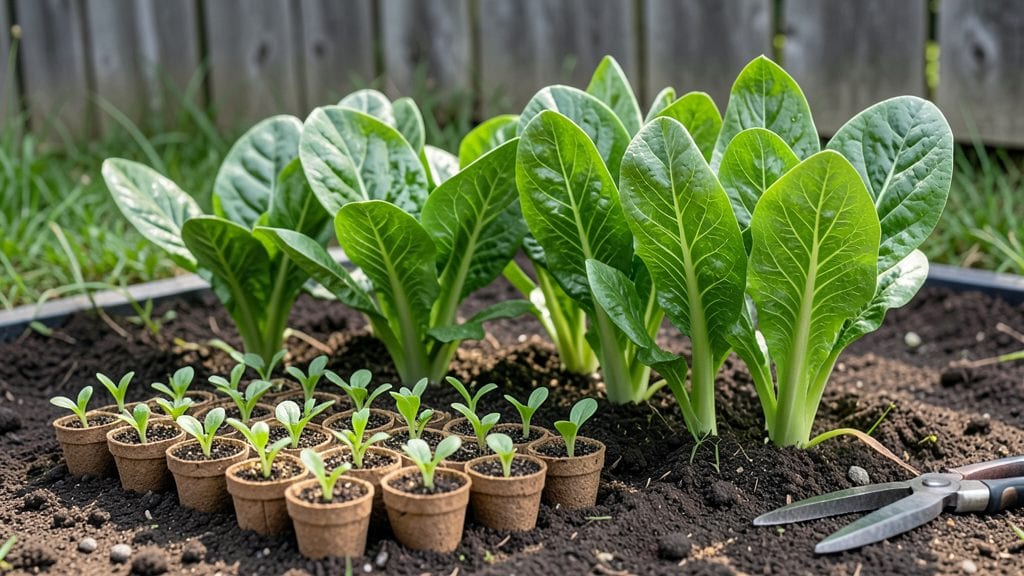
Garden row spacing directly impacts plant health and yield by controlling competition for sunlight, nutrients, and airflow. Most vegetables thrive with 12–36 inches between rows, adjusted for their mature size and sunlight demands.
Getting row spacing right isn't just about fitting more plants in—it's about giving each one room to breathe. 🌱 Crowded plants compete for nutrients, leaving them weak and prone to disease, while proper spacing lets sunlight reach all leaves for even growth.
I’ve seen firsthand how 18-inch rows for bush beans produce twice the yield of crammed 12-inch rows because the plants don’t shade each other. For leafy greens like lettuce, narrower 10-inch rows work because they mature quickly, but taller crops like tomatoes need 24–36 inches to avoid fungal issues.
Here’s the pro tip: always measure from the center of one row to the center of the next. This prevents edge plants from getting squeezed out.
And if you’re growing tall plants like corn or sunflowers, consider wide rows (3–4 feet) to let them stretch toward the sky without fighting for space.
💡 In This Article
- How Plant Biology Determines Ideal Row Spacing
- Row Spacing Charts for Common Vegetables and Herbs
How plant biology determines ideal row spacing
At its core, proper spacing is about balancing three critical plant needs: sunlight access, root competition, and airflow circulation. Plants use photosynthesis to convert sunlight into energy, but when rows are too tight, lower leaves get shaded and stop producing food.
For example, tomato plants need 24–36 inches between rows because their broad leaves cast significant shade—crowd them, and the lower stems become weak from lack of light.
Similarly, roots compete for water and nutrients in the soil; when plants are too close, their root zones overlap, leading to stunted growth and nutrient deficiencies.
The science gets even more interesting when you consider how plants grow vertically. Tall crops like corn or sunflowers need 36-inch rows because their height creates a "canopy effect"—they naturally block sunlight for shorter plants below.
Meanwhile, shallow-rooted crops like lettuce or radishes thrive in 10–12 inch rows because they mature quickly and don’t need deep soil access.
What most gardeners overlook is how plant width affects spacing too: vining plants like cucumbers need 3–4 feet between rows to sprawl without tangling, while bush varieties can squeeze into 18-inch rows. 🌱
Airflow is the unsung hero of plant spacing. Without proper circulation, humidity builds up around leaves, creating perfect conditions for fungal diseases like powdery mildew or blight. I’ve seen tomato plants in crowded rows develop these issues within weeks, while properly spaced plants stay dry and resistant.
Even companion planting plays a role here—pairing tall plants (like sunflowers) with low-growing ones (like basil) ensures both get airflow while maximizing space. The key is matching plant heights in the same row to avoid shading mismatches.
Soil type adds another layer to spacing decisions. Sandy soils drain quickly, so plants need more space to establish deep roots before competing for moisture. Clay soils, which hold water longer, allow closer spacing because roots don’t need to spread as far.
For instance, carrots in clay soil can handle 12-inch rows, but in sandy soil, they need 18 inches to prevent root competition. This is why experienced gardeners adjust spacing based on their soil’s texture and moisture retention.
Fast-growing plants like radishes or lettuce have different spacing needs than slow growers like artichokes or asparagus. Radishes mature in 30 days and can handle 4-inch spacing within rows**, but asparagus takes 2–3 years to establish and needs 12–18 inches between crowns.
The rule of thumb? Space plants according to their mature size, not their seedling size. Overcrowding early on might seem efficient, but it leads to weaker stems and lower yields later.
Here’s what actually happens when spacing is wrong: plants start competing aggressively for resources. You’ll see yellowing leaves (nutrient deficiency), stunted growth (root competition), and increased pests (crowded plants attract more insects).
On the flip side, proper spacing leads to stronger stems, higher yields, and plants that can better resist diseases. The biology is simple: give plants room to grow as nature intended, and they’ll reward you with healthier, more productive harvests. ✨