
Diseases
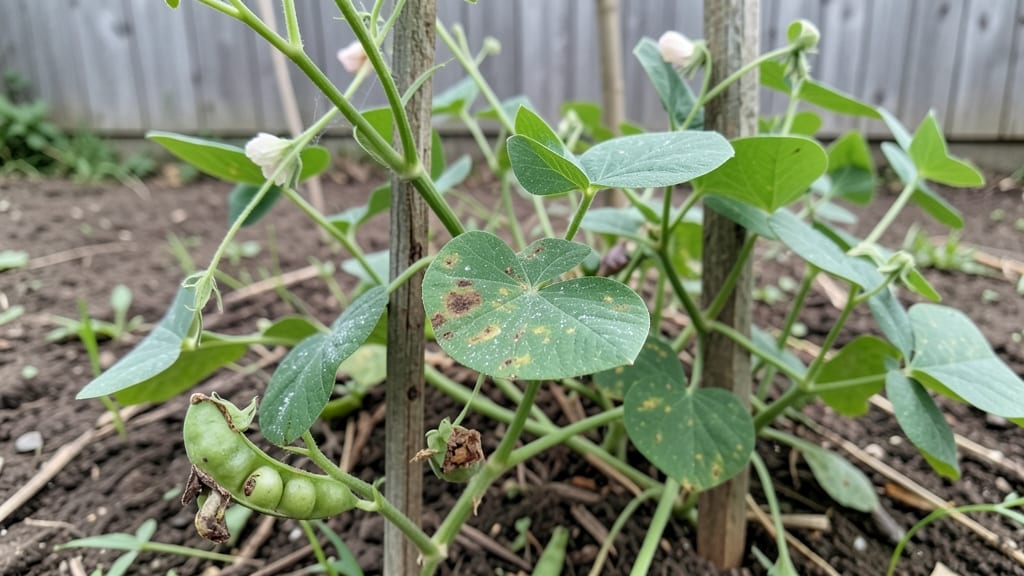
Spotting garden pea diseases early can save your entire crop—here’s how to quick-identify the most common fungal and bacterial infections before they spread. 🌱 I’ve lost harvests to powdery mildew and root rot, but these fixes work fast when you catch problems early.
The key is knowing what to look for: yellowing leaves, black spots, or mushy stems all mean trouble, but they’re fixable with the right steps.
Most pea diseases thrive in damp, crowded conditions, so prevention starts with proper spacing and good airflow. Resistant varieties like ‘Sugar Sprint’ or ‘Green Arrow’ cut risks dramatically, and a 3-year crop rotation keeps soil-borne pathogens in check.
If you’re already seeing symptoms, act fast—some fixes take just 24 hours to apply, while others need a week of consistent care.
You’ll learn to treat everything from powdery mildew (neem oil spray) to fusarium wilt (copper fungicide), plus when to pull plants and start fresh. The goal? A healthy, productive pea patch without the heartbreak of wasted effort. Let’s get those vines thriving again.
This isn’t just about fixing problems—it’s about long-term peace of mind. Once you recognize the early signs, you’ll spot issues before they escalate. And if all else fails, I’ll tell you when to call in a specialist. No more guessing, just actionable fixes for your garden.
Root Causes Of Pea Problems
Garden peas may seem resilient, but they’re vulnerable to a range of diseases that thrive under the right conditions. Understanding why these issues arise is the first step to prevention. Below, we break down the key factors—from environmental stressors to microbial invaders—that turn your thriving pea patch into a battleground.
Fungal diseases like powdery mildew and downy mildew are the most common threats to garden peas. These pathogens love warm, humid conditions—think late spring or summer afternoons when dew lingers or overhead watering leaves foliage damp. Here’s the science:
- High Humidity: Fungal spores germinate best in air with 90%+ relative humidity. If your peas are crowded and airflow is poor, moisture gets trapped, creating the perfect breeding ground. Powdery mildew, for example, thrives in temperatures between 60–80°F (15–27°C) and can spread rapidly when leaves stay wet for 6+ hours.
- Poor Drainage: Waterlogged soil weakens pea roots, making them susceptible to root rots (e.g., Fusarium or Pythium). These fungi attack damaged or stressed roots, blocking nutrient uptake and causing yellowing or wilting.
- Old Crop Debris: Leftover pea vines or infected plant material in the soil harbor fungal spores over winter. When spring arrives, these spores reawaken and infect new growth.
💡 Pro Tip: Space pea plants 2–3 inches apart for airflow, and avoid watering foliage. If your garden stays damp, opt for resistant varieties like ‘Green Arrow’ or ‘Oregon Sugar Pod.’
Bacterial diseases like bacterial blight (Pseudomonas syringae) or halo blight (Pseudomonas syringae pv. phaseolicola) exploit weak spots in pea plants. Unlike fungi, bacteria don’t need moisture to survive—they hitchhike on tools, wind, or even your hands. Here’s how they gain entry:
- Physical Damage: Hail, insect bites (e.g., pea weevils), or rough handling during harvest create open wounds. Bacteria seep in and multiply, causing dark, water-soaked lesions on leaves or pods.
- Overcrowding: Dense plantings reduce airflow, increasing leaf wetness and bacterial spread. Halo blight, for instance, spreads via rain splash or contaminated seed.
- Contaminated Seed: Some bacterial strains survive on seed coatings. If you reuse seeds from infected plants, you’re essentially planting the problem.
🔥 Action Step: Rotate crops annually (avoid planting peas in the same spot for 3+ years) and disinfect tools with 70% rubbing alcohol or a 10% bleach solution between uses.
Peas are cool-season crops, and extreme temperatures or poor soil health weaken their defenses, making them prime targets for disease. Here’s how:
| Stressor | How It Helps Diseases Thrive | Fix It |
|---|---|---|
| Heat Stress (>85°F / 29°C) | High temps stunt growth, reducing the plant’s ability to fight off pathogens. Powdery mildew flourishes in this heat. | Provide shade cloth (30–50%) and mulch to keep roots cool. |
| Cold Snaps (<40°F / 4°C) | Frost-damaged tissue becomes entry points for bacterial infections or gray mold (Botrytis). | Use row covers for early spring plantings. |
| Nitrogen Deficiency | Yellowing leaves (chlorosis) signal weak plants. Fungi like Fusarium exploit stressed roots more easily. | Test soil and amend with compost or blood meal (follow package rates). |
| Poor Air Circulation | Stagnant air traps moisture, accelerating downy mildew or rust spores. | Prune vines to open the canopy and stake plants for vertical growth. |
✨ Bonus Tip: Interplant peas with radishes or nasturtiums to improve airflow and deter pests that spread disease.
By addressing these root causes—moisture, wounds, stress, and poor hygiene—you’ll starve out pathogens before they take hold. Next, we’ll cover how to spot these diseases early and what to do once they appear.
Quick Fixes for Pea Plant Problems
Now that you’ve identified the culprit behind your garden peas’ woes, it’s time to take action! 🚀 The good news? Most fungal and bacterial diseases can be managed with a mix of preventive care, targeted treatments, and smart gardening habits.
Below, we’ve mapped out practical solutions for each common issue—plus pro tips to keep your peas thriving.
Fungi love damp, crowded conditions, so the key is removing moisture, improving airflow, and applying fungicides strategically.
🔥 Powdery Mildew: Scrub & Spray
Cause: White, powdery spots on leaves (often from humidity + poor airflow). Fix: - 🍳 Remove infected foliage immediately—don’t compost it!
Toss in the trash to prevent spread. - 👨🍳 Spray with a baking soda mix (1 tsp baking soda + 1 quart water + a drop of dish soap) every 7–10 days in the early morning or evening (avoid direct sunlight). - ⏰ Improve airflow by spacing plants 2–3 inches apart and pruning nearby foliage. - 🌡️ Prevent recurrence with neem oil spray (1 tbsp neem oil + 1 tsp mild soap per quart of water) applied weekly during humid spells.
💡 Pro Tip: Resistant varieties like ‘Tom Thumb’ or ‘Oregon Sugar Pod’ handle humidity better—swap them in next season!
🥘 Downy Mildew: Copper & Crop Rotation
Cause: Yellow spots on top leaves, fuzzy gray growth underneath (from overwatering + cool nights). Fix:
- 🔪 Snip off severely infected leaves and dispose of them.
- 🌱 Rotate crops—don’t plant peas in the same spot for 3+ years.
- 💊 Use a copper fungicide (like Copper Soap) every 10–14 days at the first sign of yellowing.
- 🌡️ Water at the base (not overhead) and avoid evening watering to let leaves dry quickly.
✨ Prevention Hack: Mulch with straw to reduce soil splashing onto leaves.
🍖 Root Rot: Drainage & Fungicide
Cause: Wilting, blackened roots (from soggy soil + poor drainage). Fix:
- 🚧 Improve drainage by amending soil with compost + perlite (aim for 50% organic matter).
- 🌱 Relocate plants if possible—root rot spreads fast.
Dig up affected peas and sterilize tools with rubbing alcohol. - 💊 Treat with a systemic fungicide like Mycorrhizal inoculant or Fungicide 3 (follow label rates). - 🌡️ Avoid overwatering—stick to 1 inch of water per week (check soil moisture with your finger).
🎯 Long-Term Fix: Raise beds or plant peas in containers with drainage holes if your soil stays waterlogged.
Bacteria spread via water, tools, and infected seeds—sanitation is your best defense!
🥗 Bacterial Blight: Copper & Seed Treatment
Cause: Water-soaked spots that turn brown/yellow (from rain splashing + contaminated seeds). Fix:
- 🔪 Remove and destroy infected plants—do not compost them.
- 🌱 Sterilize tools with bleach water (1:10 ratio) between uses.
- 💊 Spray with copper fungicide (like Bonide Copper Fungicide) every 7–10 days.
- 🌡️ Prevent spread by watering at the base and avoiding overhead irrigation.
- 🌱 Use certified disease-free seeds next season (soak seeds in hydrogen peroxide (3%) for 10 mins before planting).
💡 Pro Tip: Interplant with marigolds—they repel pests that spread bacterial diseases!
🍎 Fusarium Wilt: Soil Sterilization
Cause: Yellowing leaves, wilting (from fungus in soil + stress). Fix:
- 🚨 Remove infected plants immediately—this disease persists in soil.
- 🌱 Solarize soil (cover with clear plastic for 4–6 weeks in hot sun) to kill pathogens.
- 💊 Apply a biofungicide like Serenade Garden (based on Bacillus subtilis) every 2 weeks.
- 🌱 Rotate crops—plant non-legumes (like brassicas) in the affected bed for 2+ years.
🔥 Emergency Move: If wilt spreads fast, replace the entire plant—Fusarium is hard to eradicate.
Stop problems before they start with these easy habits:
- 🌡️ Space plants properly (2–3 inches apart for airflow).
- 💦 Water early in the day (avoid wet foliage at night).
- 🧼 Clean tools & hands between garden tasks.
- 🌱 Test soil pH (peas prefer 6.0–7.0)—adjust with lime or sulfur if needed.
- 🌿 Use row covers in early spring to block fungal spores from overhead water.
🚀 Final Thought: Most pea diseases are manageable—the key is speed and consistency. Act at the first sign of trouble, and your pods will reward you with crisp, disease-free harvests! 🌱💚
Frequently asked questions about garden pea diseases
What are the first signs of powdery mildew on pea plants?
Look for white, powdery patches on the upper surfaces of leaves—they’ll resemble dust but won’t wipe off. Infected leaves may yellow and curl, and the mildew spreads quickly in humid conditions (especially between 60–80°F). Act fast with neem oil or baking soda spray to prevent total leaf coverage.
Can I still eat peas if they have bacterial blight?
Yes, but only the healthy pods! Bacterial blight creates dark, water-soaked spots on leaves and pods—cut away infected areas and harvest unaffected peas immediately. The bacteria don’t make the peas toxic, but the spots are unappetizing. For next season, use certified disease-free seeds and rotate crops.
Why do my pea plants keep getting root rot even after improving drainage?
Root rot thrives on multiple factors: poor drainage, compacted soil, and old crop debris. Even with better drainage, check for hidden issues like buried plastic or clay layers blocking water flow. Test soil pH (peas prefer 6.0–7.0)—acidic soil weakens roots. Add compost + perlite and consider raised beds if your native soil stays soggy.
How do I know if my pea disease is fungal vs. bacterial?
Fungal diseases (like powdery mildew) create fuzzy growths or powdery coatings, while bacterial issues (like halo blight) produce water-soaked, greasy-looking spots that turn brown/yellow. Fungi often appear on leaf surfaces; bacteria spread via water and tools. Use a magnifying glass to check for fungal spores (tiny black dots) or bacterial ooze (clear, slimy residue).
Will copper spray harm beneficial insects like bees?
Copper fungicides are low-risk to bees when applied correctly. Apply sprays early in the morning when bees are less active, and avoid spraying flowers directly. For extra safety, use copper soap (less systemic than other copper products) and focus treatments on leaves, not blooms. Always follow label instructions for timing.