
Advice
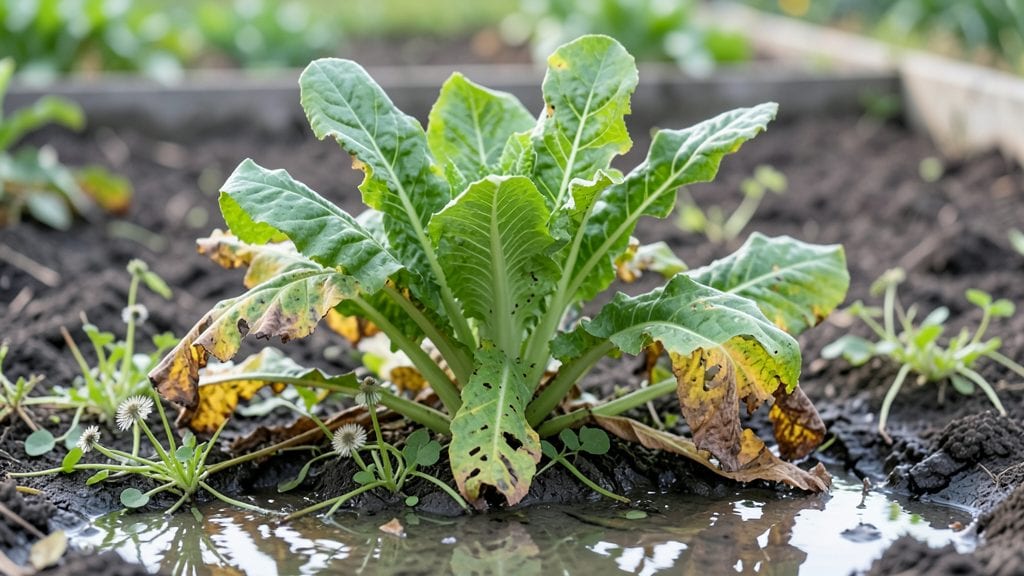
Bad gardening habits are silently sabotaging your garden before you even notice. 🌱 I’ve seen firsthand how a few small mistakes—like overwatering or ignoring soil health—can turn a thriving garden into a sad memory within weeks.
The worst part? Most of these habits are easy to fix once you know what to watch for.
Overwatering is the #1 culprit, turning roots into soggy mush and inviting fungal diseases. Then there’s poor soil prep—skipping compost or using garden soil straight from the bag leaves plants starving for nutrients.
And let’s not forget pests: ignoring early signs means they’ll multiply faster than you can say “aphid infestation.”
The good news? These fixes are simpler than you think. A moisture meter, a soil test kit, and a weekly pest patrol can save your plants before problems spiral. By the end, you’ll spot these mistakes a mile away—and your garden will thank you with lush, healthy growth.
Whether you’re a beginner or a seasoned gardener who’s just hit a slump, these fixes will give your plants the second chance they deserve. Let’s turn those “oops” moments into “aha!” victories.
📚 In This Guide
- What you need
- Instructions
- Tips and common mistakes
- Wrapping up and next steps
What you need
- ● Gloves (2 pairs): One for heavy-duty work (e.g., Warrior Made leather gloves) and one for delicate tasks (e.g., Fiskars touchscreen gardening gloves).
- ● Hand trowel (1): A sturdy, stainless-steel Fiskars or Radiah trowel (6–8 inches long) for digging and transplanting.
- ● Pruning shears (1): Bypass pruners like Felco F-2 for clean cuts (avoid anvil shears—they crush stems!).
- ● Garden fork (1): A heavy-duty Radiah or Bulldog fork (12–14 inches) for aerating soil.
- ● Watering can (1): A 1-gallon Husky or Gorilla can with a rose attachment for gentle watering.
- ● pH test kit (1): Digital or liquid test kit (e.g., Luster Leaf) to check soil acidity/alkalinity.
- ● Soil moisture meter (1): A Xiaomi or Gardeners.com meter to avoid over/under-watering.
- ● Organic compost (5–10 gallons): High-quality Miracle-Gro or homemade compost (avoid fresh manure—it burns plants!).
- ● Mulch (2–3 bags): Shredded bark or straw (1–2 inches thick) to retain moisture.
- ● Knee pad (1): For comfort during long sessions (e.g., Gorilla Grip).
- ● Plant support stakes (5–10): Bamboo or Tomato Cage stakes for tall plants.
- ● Drip irrigation kit (1): For automated watering (e.g., Ortho or Rain Bird).
- ● Plant identifier app (free): PictureThis or Google Lens to diagnose pests/diseases.
- ● Journal/notebook (1): To track planting dates, watering schedules, and plant health.
Step-by-step fixes for common gardening mistakes
Here’s how to spot and correct the five most destructive habits ruining your plants.
💧 Step 1: Overwatering and Ignoring Soil Moisture
Most gardeners drown their plants because they water on a schedule rather than checking soil moisture. The instant you see water pooling on the surface or running out the drainage holes, stop—you’ve overdone it. Instead, stick your finger 1 inch deep into the soil. If it feels damp but not soggy, wait another day. Overwatering suffocates roots by cutting off oxygen, leading to yellow leaves and mushy stems.
I keep a small notebook by my garden to track watering days. If the weather’s hot and dry, I might water every 2-3 days; if it’s been raining, I skip entirely. The key is consistency: plants thrive on routine, not guesswork. If you’re unsure, lift the pot—if it’s heavy, the soil’s too wet.
☀️ Step 2: Placing Plants in the Wrong Light
Sunlight is the #1 factor most gardeners get wrong. A plant that needs full sun** (6+ hours daily) wilts in a shady spot, while shade-lovers like ferns crisp in direct light. Check your plant’s tag or research its natural habitat—if it grows under trees, it’s a shade plant. Place it where it gets 3-4 hours of indirect light max. Conversely, sun-lovers like tomatoes and peppers need 6+ hours of direct sun or they’ll stretch weakly toward any light source.
Here’s the trick: rotate your pots a quarter turn weekly so plants grow evenly. You’ll notice leggy growth (long, thin stems with sparse leaves) when light’s insufficient. If that happens, move the plant closer to a brighter window or under a grow light. No plant should look like it’s begging for attention—adjust placement before problems start.
✂️ Step 3: Skipping Pruning and Deadheading
Letting plants grow wild may seem hands-off, but it drains their energy. Prune leggy stems back to a leaf node (where leaves attach) to encourage bushier growth. Deadhead spent blooms—snip off the faded flower heads—so the plant redirects energy into new growth instead of seed production. I use clean, sharp scissors to make cuts at a 45-degree angle just above a leaf or bud. This prevents water from pooling on the cut, which can rot stems.
Don’t be afraid to get aggressive with overgrown plants. If a stem is brown, brittle, or diseased, cut it off entirely. You’ll see healthier foliage and more flowers within weeks. The rule of thumb: if a plant looks tired, it’s time to prune. Just avoid cutting more than ⅓ of the plant at once—this can shock it. Spread pruning over a few sessions if needed.
🪴 Step 4: Using the Wrong Soil or Fertilizer
Garden soil isn’t always the answer—it’s heavy, compacts easily, and can harbor diseases. For containers, use potting mix with perlite or vermiculite for drainage. For in-ground plants, amend the soil with compost or aged manure to improve texture and nutrients. I test soil pH (ideally 6.0-7.0 for most plants) with a simple kit from the garden center. If it’s too acidic or alkaline, adjust with lime or sulfur before planting.
Fertilizer burns are another common mistake. Always follow package instructions—more isn’t better. I fertilize every 4-6 weeks during growing season, but never right after transplanting. Wait 2-3 weeks to let roots establish first. Yellow leaves with brown tips? That’s a classic sign of over-fertilizing. Flush the soil with water to leach out excess salts, then ease up on feedings.
🌱 Step 5: Ignoring Pests and Diseases Early
Waiting until pests or diseases are visible means your plant is already stressed. Check the undersides of leaves weekly for aphids, spider mites, or powdery mildew. Caught early, most issues can be fixed with a spray of neem oil or insecticidal soap. I mix mine with water (1 tablespoon per quart) and spray in the evening to avoid harming bees. For fungal issues like powdery mildew, improve airflow by spacing plants 12-18 inches apart and watering at the base, not overhead.
If you spot holes in leaves or sticky residue (aphid honeydew), act fast. Isolate the affected plant to prevent spread. Prune off heavily damaged leaves and dispose of them in the trash, not the compost. Prevention is easier: healthy soil, proper watering, and good airflow keep most pests away. But if they show up, don’t panic—most problems are fixable with quick action.
Tips & tricks for perfect plant care
These simple adjustments will transform your gardening game and keep your plants thriving.
Soil Test Before Planting: Don't assume your garden soil is perfect. Grab a simple pH test kit from your local garden center and check before planting. Most plants prefer a neutral pH of 6.0-7.0, but some like blueberries (4.5-5.5) or lavender (6.5-7.5) need specific conditions. I test my soil every spring—it's the difference between struggling plants and lush growth.
Watering by the Clock is Risky: Instead of following the "every 2-3 days" rule blindly, check soil moisture first. Stick your finger 1 inch deep—if it feels damp, wait. The weight test works too: lift your pot. If it feels heavy, it's overwatered. I've learned this the hard way after losing three batches of seedlings to soggy soil.
Light Rotation Secret: That weekly quarter-turn of your pots isn't just about even growth—it's also how you spot light issues early. If one side of your plant is stretching toward the window, it needs more light. I keep a small notebook to track which plants need to move closer to brighter spots. This simple habit prevents the "leggy plant" syndrome before it starts.
Pruning Made Easy: When deadheading or pruning, always make cuts at a 45-degree angle just above a leaf node. This little detail prevents water from pooling on the cut, which can lead to rot. I keep a small pair of sharp scissors dedicated just to pruning—clean tools make all the difference in plant health.
Pro Tips for Bad Gardening Habits
- These simple adjustments will transform your gardening game and keep your plants thriving.
- Soil Test Before Planting: Don't assume your garden soil is perfect.
- Watering by the Clock is Risky: Instead of following the "every 2-3 days" rule blindly, check soil moisture first.
Frequently asked questions
Got questions about those sneaky gardening mistakes? You’re not alone! Here are some of the most common concerns—and how to avoid (or fix) them.
Why do my plants suddenly wilt even after watering them?
Overwatering is a top culprit! Too much moisture suffocates roots by cutting off oxygen, leading to wilting. Check soil moisture with your finger—if it’s soggy, hold off on watering. Fix: Let the top 1–2 inches dry out before watering again, and ensure pots have drainage holes.
Can I fix over-fertilized plants, or is it too late?
Not always! If you’ve overdone it, flush the soil with water to dilute excess nutrients. For severe cases, repot the plant into fresh soil. Prevent future burns: Follow package instructions (usually "half the recommended dose") and fertilize only during active growing seasons (spring/summer).
Is it bad to reuse old pots without cleaning them?
Old pots harbor disease-causing pathogens, pests, or salt buildup from fertilizers. Clean them with a 10% bleach solution (1 part bleach to 9 parts water), scrub, and rinse thoroughly. For plastic pots, soak in vinegar to remove mineral deposits. Pro tip: Sterilize tools too!
How do I know if my plants need more sun or less?
Observe leaf color and texture: Yellowing or stretching leaves = too little sun; brown, crispy edges = too much. Most veggies (like tomatoes) need 6–8 hours of sunlight, while ferns thrive in shade. Test: Gradually adjust placement over a week to avoid shock.
What’s the fastest way to stop weeds from taking over?
Weeds steal nutrients! Pull them early (when soil is moist) to avoid breaking roots. Use mulch (straw, wood chips) to block sunlight and suppress growth. For stubborn weeds, spot-treat with vinegar (50/50 vinegar-water mix) or a natural herbicide like corn gluten meal.
Can I save a frost-damaged plant?
Check for soft, mushy leaves or blackened stems—these are signs of irreversible damage. If only tips are frosted, trim damaged parts and protect the plant with frost cloth. Prevent future frost: Cover tender plants at night or choose cold-hardy varieties for your zone.
Wrapping up and next steps
Breaking bad gardening habits is the first step toward a thriving garden! 🌱 From overwatering to ignoring soil health, small tweaks can make a huge difference. Remember—even the greenest thumbs started somewhere, so don’t be discouraged.
Ready to turn things around? Start by picking just one fix from this guide and give it a try this week. Your plants—and your future harvests—will thank you!