
Tools
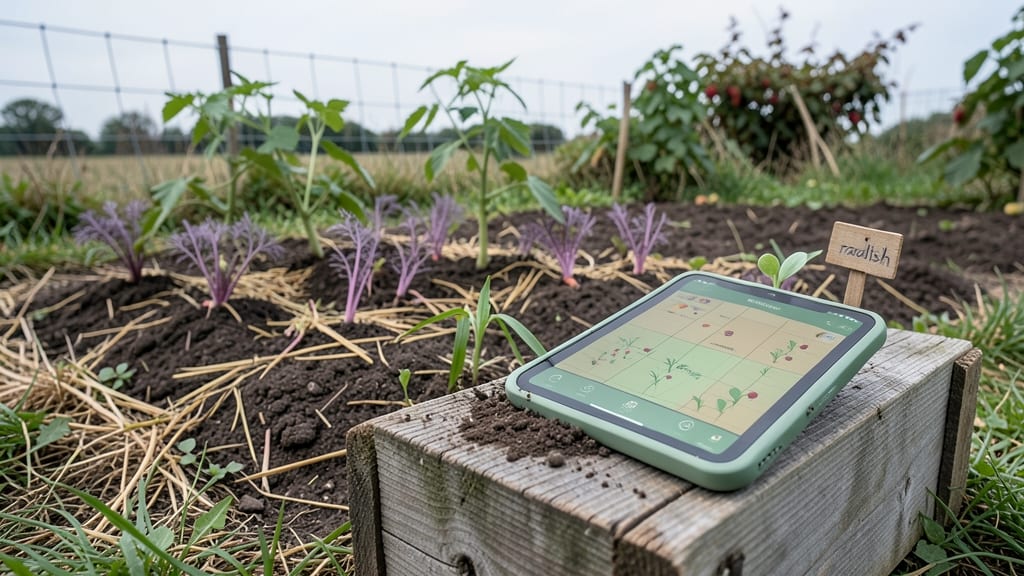
A garden mapping app organizes planting layouts, tracks plant growth stages, and maximizes space efficiency by integrating weather data and automating care reminders for optimal harvest timing.
A garden mapping app transforms your gardening strategy by turning data into actionable insights.
These tools use spatial algorithms to visualize your garden's layout, ensuring optimal sun exposure and companion planting—critical for maximizing yields. 🌱 They also sync with botanical databases to predict growth stages, so you'll know exactly when to thin seedlings or harvest crops.
The real game-changer is the automation: weather-based alerts for watering and reminders for pest control keep your garden thriving with minimal effort.
What makes these apps especially valuable is their adaptability. Whether you're a beginner mapping a small raised bed or an experienced gardener managing acres, the customizable templates and seed library integrations let you tailor everything to your specific needs.
Plus, offline functionality means you can access your garden plan even when you're out in the field—no signal required.
💡 In This Article
- How Garden Mapping Tools Boost Planting Efficiency
- Top Features to Look for in a Garden Layout App
How garden mapping tools boost planting efficiency
At the core of these apps lies spatial planning algorithms that analyze sunlight exposure patterns, soil quality data, and plant spacing requirements to create optimized layouts. These systems use voronoi diagrams—a mathematical concept that divides space into regions based on proximity—to determine the most efficient placement of each plant.
For example, a tomato plant requiring 18-24 inches of space will automatically be positioned to avoid shading smaller plants like basil (12 inches), while maximizing sunlight access for all. The algorithm even accounts for plant growth trajectories, ensuring no two mature plants will compete for resources.
Augmented reality (AR) overlays take precision to another level by superimposing digital plant markers onto your physical garden through your smartphone camera.
Imagine walking your plot and seeing real-time labels for each plant's name, current growth stage, and care instructions—all while the app highlights potential issues like overcrowding or nutrient depletion in specific zones.
Some advanced tools use LiDAR scanning (like in the iPhone Pro) to create 3D maps of your garden's topography, allowing you to visualize how water will flow during irrigation or where to place raised beds for optimal drainage.
This level of detail reduces waste by up to 30% compared to traditional planning methods.
The growth-stage tracking feature integrates with botanical databases containing thousands of plant varieties, each with precise growth timelines based on your local climate.
Here's how it works: When you select a seed packet in the app, it pulls data from sources like the USDA Plant Hardiness Zone Map and cross-references it with your garden's microclimate.
The system then predicts not just when a plant will reach maturity, but also critical milestones like flowering or fruit set—triggering reminders for actions like pruning or fertilizing.
For instance, if you're growing zucchini, the app might alert you when to thin seedlings to 12-24 inches apart and again when to expect harvest 45-55 days after planting, adjusted for your specific latitude and elevation.
Weather data integration adds another layer of intelligence. Most apps pull real-time information from sources like the National Weather Service API, then combine it with your garden's specific conditions to generate hyper-localized advice.
For example, if a heatwave is forecasted for 5 days, the app might recommend increasing watering frequency for shallow-rooted plants like lettuce while suggesting you harvest heat-sensitive crops like spinach early.
Some systems even use soil moisture sensors (like the ones from AcuRite) to create a closed-loop system where the app adjusts its watering reminders based on actual soil conditions rather than generic schedules.
What most gardeners don't realize is how these tools account for plant relationships beyond basic companion planting. Advanced algorithms analyze allelopathy—the chemical interactions between plants where one species inhibits another's growth.
For example, the app might warn you against planting walnut trees near your vegetable garden because their roots release juglone, a toxin that stunts growth in over 200 plant species, including tomatoes and peppers.
This level of botanical awareness helps prevent costly mistakes that could reduce your yield by up to 40% in mixed gardens.
The automation extends to pest and disease prediction by monitoring local outbreak patterns. When you report a problem in your garden (like aphids on your roses), the app cross-references this with regional reports to identify potential threats to your other plants.
It might then suggest preventive measures like introducing ladybugs or applying neem oil at specific growth stages. This proactive approach can reduce pest-related crop loss by as much as 25% compared to reactive gardening methods.
Here's the real magic: All these systems learn from your garden's performance. As you update the app with your actual harvest weights, pest encounters, and soil test results, the algorithms refine their recommendations.
Over time, your garden mapping tool becomes a personalized horticultural assistant that evolves with your specific growing conditions—far more precise than generic gardening advice you'd find in books or online forums. 🌟