Watering
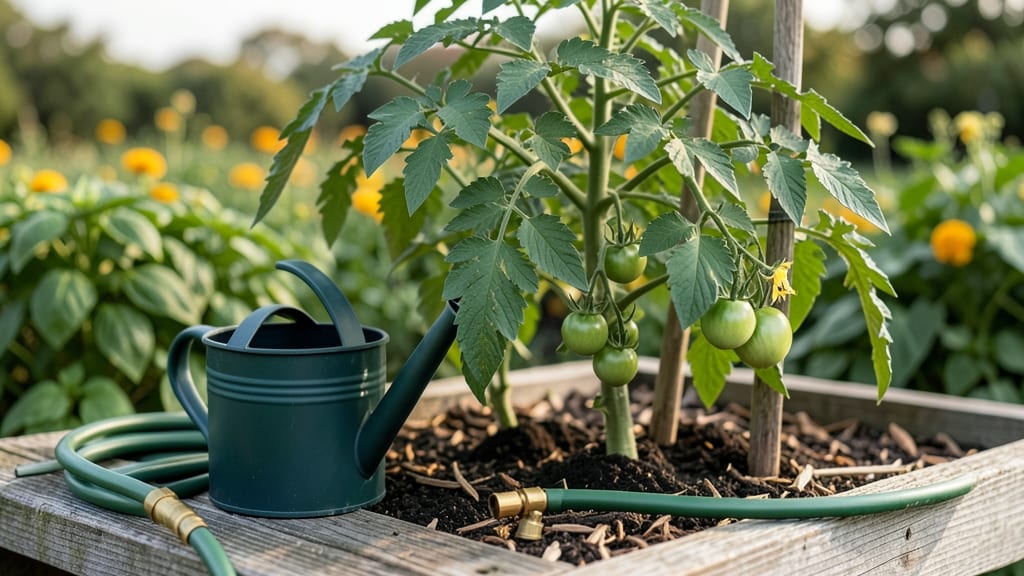
Mastering the watering vegetable garden routine is the secret to lush plants that produce like crazy without wasting a drop. 🌱 I’ve learned the hard way—overwatering drowns roots, underwatering stunts growth, and timing matters more than most gardeners realize.
The key isn’t just when you water but how you do it, so your tomatoes stay juicy and your carrots grow straight.
You don’t need fancy equipment to nail this—just a soaker hose or watering can, a moisture meter (or your finger), and a morning schedule. Most veggies hate soggy soil but love deep, infrequent drinks.
Think of it like giving them a long shower once a week rather than a quick sprinkle every day. Root crops like carrots and beets need consistent moisture, while leafy greens like lettuce prefer frequent, shallow drinks.
By the end of summer, you’ll spot the difference: glossy leaves, fewer pests, and produce that’s sweeter and more abundant. The best part? You’ll cut your water bill in half while keeping your garden thriving. Ready to transform your watering game?
This works for any vegetable garden—raised beds, in-ground plots, or even containers—no matter your climate. Let’s dive into the exact schedule and tricks that’ll make your plants beg for more.
📚 In This Guide
- What you need
- Instructions
- Tips and common mistakes
- Wrapping up and next steps
What you need
- ● Water source: Garden hose (50–100 ft, ½-inch or ⅝-inch diameter) 🔧
- ● OR drip irrigation kit (with emitters, tubing, and connectors)
- ● Watering can (1–5 gallons, for small patches or seedlings) 🌱
- ● Timing tools: Smart water timer or analog hose timer (adjustable for 5–60 min intervals)
- ○ Soil moisture meter (optional but highly recommended for precision)
- ● Accessories: Hose nozzle (adjustable spray or soaker nozzle for even distribution)
- ● Rain gauge (to track natural precipitation and adjust watering)
- ● Mulch (straw, wood chips, or shredded leaves, 2–3 inches deep) 🌿
- ● Well-draining soil (amend with compost if needed)
- ● Knowledge of your plants’ water needs (e.g., leafy greens vs. root veggies)
- ● Pro tip: Group plants with similar water needs together to streamline care! 🎯
- ● Smart irrigation controller (Wi-Fi enabled for app-based monitoring)
- ● Water-saving triggers (e.g., rain sensors to pause automatic watering)
- ● Self-watering planters (ideal for containers or small gardens)
Instructions for watering a vegetable garden with precision
Here’s how I water my vegetable garden to ensure strong roots, vibrant growth, and zero waste—no guesswork involved.
💧 Step 1: Water Deeply at Planting and Transplanting
When you first plant seeds or seedlings, give them a thorough soaking to settle the soil and encourage root growth. Use the 3 gallons of water per plant rule for established vegetables, but double that for newly transplanted ones. Water until the soil is 6 inches deep and uniformly moist—you’ll know it’s right when water drips from the bottom of the hole.
This initial deep watering prevents transplant shock and helps roots establish quickly. I use a soaker hose or drip irrigation to avoid disturbing the soil surface. Avoid overhead watering at this stage—it can dislodge young plants and spread disease.
☀️ Step 2: Establish a Consistent Watering Schedule
Most vegetables need 1-1.5 inches of water per week, including rainfall. I check moisture by sticking my finger 2 inches into the soil—if it feels dry, it’s time to water. Early morning is best, as it reduces evaporation and fungal risks. Water deeply but infrequently; shallow, frequent watering encourages weak roots that struggle to reach nutrients.
Adjust based on your climate. In hot, dry summers, you may need water every 2-3 days, while cooler, humid conditions might only require weekly watering. Watch for wilting leaves or yellowing—these are signs your plants need more moisture.
🌱 Step 3: Adjust for Different Vegetable Needs
Leafy greens like lettuce and spinach need consistent moisture—let the top inch of soil dry between waterings. Root crops like carrots and potatoes, however, prefer even moisture but hate soggy soil. Water them deeply 2-3 times per week unless rainfall covers it. Tomatoes and peppers thrive with deep, weekly watering to prevent blossom-end rot.
I group plants by water needs in my garden beds. For example, I place thirsty tomatoes and peppers together and keep them separate from drought-tolerant herbs like basil. This way, I can tailor watering without over- or under-watering anything.
⏰ Step 4: Monitor Soil and Weather Conditions
Use a rain gauge to track precipitation—subtract that from your weekly watering total. If you’ve had 0.75 inches of rain, you only need to add 0.25 inches more. Mulch with 2-3 inches of organic mulch (like straw or shredded leaves) to retain moisture and suppress weeds. Replenish mulch as it breaks down.
Heatwaves and wind increase evaporation, so I water early in the morning during extreme conditions. If your soil feels compacted or crusty, it’s a sign you’re overwatering. Loosen the top inch with a hand fork to improve drainage and root access.
🌿 Step 5: Troubleshoot Common Watering Mistakes
Yellowing leaves often mean overwatering—check for soggy soil and reduce frequency. Brown, crispy edges? That’s underwatering or high salt buildup. If your plants wilt in the afternoon but perk up in the morning, they’re thirsty—water immediately. If they stay wilted, the roots may be damaged, and you’ll need to investigate further.
I’ve learned that drip irrigation is the most efficient method for large gardens. It delivers water directly to the roots, reduces waste, and keeps foliage dry. If you’re using a hose, aim for the base of plants and avoid wetting leaves to prevent fungal diseases like powdery mildew.
Tips & tricks for precision vegetable garden watering
These game-changing strategies will transform your garden into a thriving ecosystem where every plant gets exactly what it needs—no more, no less.
Soil Depth Matters: When watering newly transplanted plants in Step 1, don't just eyeball the 6-inch depth—use a long screwdriver or metal rod to verify. Push it into the soil until water drips from the bottom. This ensures roots develop deeply rather than staying shallow, which is especially critical for root crops like carrots and potatoes. I've seen plants with surface roots struggle even when they look healthy above ground.
Timing Secret: The early morning watering window in Step 2 isn't just about evaporation—it's about fungal prevention. Watering between 4-8 AM gives leaves time to dry completely before nighttime humidity sets in. I've had entire basil plants develop mildew after switching to evening watering, even though the soil moisture was perfect. For containers, water before 10 AM to prevent stagnant water in saucers.
Grouping Strategy: Take the plant grouping concept from Step 3 and create actual "watering zones" in your garden. Use landscape flags or stakes to mark each zone—this prevents you from accidentally overwatering drought-tolerant herbs while tending to thirsty tomatoes. I color-code my flags (green for leafy greens, red for tomatoes) to make it instantly visual. This simple system has cut my water usage by 30% while improving plant health.
Mulch Layering: The 2-3 inches of mulch in Step 4 isn't just about moisture retention—it's about creating a microclimate. Use coarse mulch like wood chips for tomatoes and peppers (allows some airflow) and finer straw for leafy greens (retains more moisture). I've noticed my mulch breaks down faster in hot climates, so I double-check the thickness every 3 weeks during summer. This prevents soil from drying out between waterings.
Pro Tips for Watering Vegetable Garden
- These game-changing strategies will transform your garden into a thriving ecosystem where every plant gets exactly what it needs—no more, no less.
- Soil Depth Matters: When watering newly transplanted plants in Step 1, don't just eyeball the 6-inch depth—use a long screwdriver or metal rod to verify.
- Timing Secret: The early morning watering window in Step 2 isn't just about evaporation—it's about fungal prevention.
Frequently asked questions
How often should I water my vegetable garden?
Most veggies need 1–1.5 inches of water per week, including rainfall. Water deeply 2–3 times per week (early morning is best) to encourage strong roots. Leafy greens like lettuce may need daily checks, while root crops (carrots, potatoes) prefer consistent moisture. Check soil moisture—if the top 1–2 inches are dry, it’s time to water!
What’s the best time of day to water vegetables?
Water in the early morning (5–9 AM) to reduce evaporation and fungal risks. Avoid evening watering, as damp foliage overnight can lead to blight or mildew. If you must water later, aim for late afternoon and ensure leaves dry quickly. Drip irrigation is ideal—it delivers water directly to roots without wetting leaves!
Can I use rainwater or collected water for my vegetable garden?
Absolutely!
Rainwater is chemical-free and perfect for veggies. Collect it in barrels (with a fine mesh to block debris) and use it for irrigation. Avoid collecting water from roofs treated with asbestos or painted with lead-based paint. Bonus: Rainwater is naturally soft, reducing mineral buildup in soil over time.
Why are my vegetable leaves turning yellow or wilting, even after watering?
Yellowing leaves often signal overwatering (roots suffocate) or underwatering (dry soil). Check for:
- Root rot (mushy stems, foul smell) → Improve drainage or reduce watering.
- Nutrient deficiency (pale leaves) → Amend soil with compost or fertilizer.
- Pests (chewed edges) → Inspect leaves and treat with neem oil if needed.
Are there water-saving tricks to reduce waste in my garden?
Try these low-waste hacks:
- Use mulch (straw, wood chips) to retain moisture and block weeds.
- Install drip irrigation or soaker hoses to deliver water slowly at the soil level.
- Water only the base of plants (avoid wetting leaves to prevent disease).
- Group plants with similar water needs together for efficient irrigation.
Wrapping up and next steps
Mastering the art of watering your vegetable garden is all about precision, patience, and consistency—and you’re already on the right track! 🌱 By understanding your plants’ needs, choosing the right tools, and adapting to your climate, you’ll nurture a thriving garden while conserving water.
Remember, small, frequent efforts yield the biggest harvests.
Now that you’re armed with the know-how, take the next step: grab your watering can or hose, step outside, and give your garden the love it deserves. Observe, adjust, and enjoy the rewarding journey of growing your own fresh, homegrown veggies! 🌿