
Planting
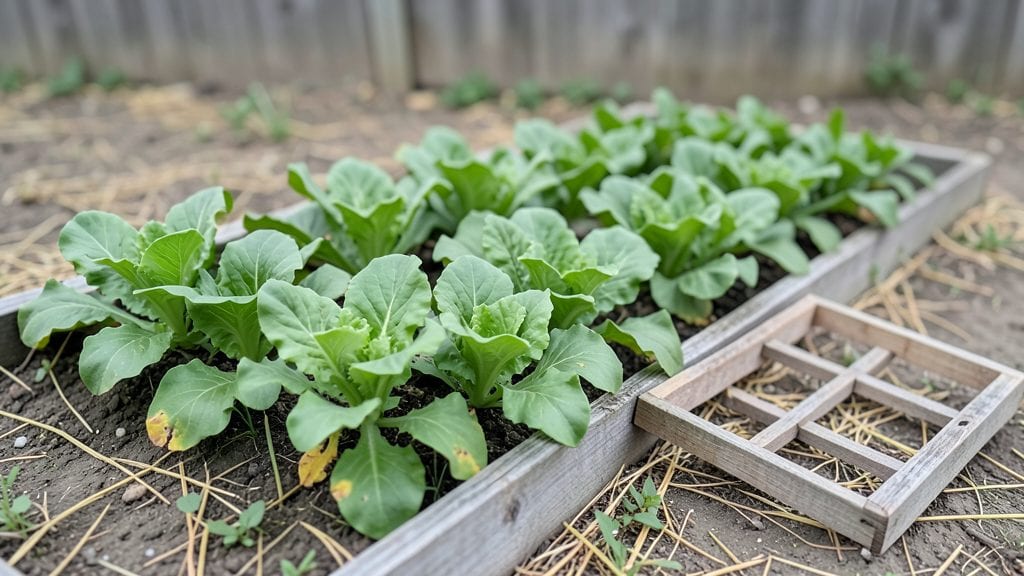
The all-new square foot gardening method turns even a 4×4-foot patch into a high-yield, organized growing system. I spent years watching my raised beds get overcrowded and underproductive—until I discovered how dividing space into perfect squares eliminates wasted inches and maximizes every plant’s potential.
The key? A simple grid, precise spacing, and a soil mix that works year after year.
You’ll start by dividing your garden into 1-foot squares, each designed to hold the exact number of plants that thrive together. No more guessing about spacing—just follow the chart for your crops, and you’ll fit 16 head lettuces or 9 tomato plants in the same square without competition.
The soil mix is the secret weapon: equal parts compost, peat moss, and vermiculite, fluffed to perfection for roots that breathe and grow.
What you’ll end up with is a garden that produces 4-10 times more food per square foot than traditional rows. Weeding drops by 90%, watering becomes efficient, and you can grow more varieties in less space than you ever thought possible.
My first 4×8-foot bed now yields enough tomatoes, greens, and herbs to feed my family all summer—with room left for flowers too.
This method works in containers, raised beds, or in-ground plots, and adapts to any climate. Whether you’re a city gardener with a balcony or a suburban plot owner, the same principles apply. Let’s build your high-yield grid today!
Root Causes Of Space Wasted
Square foot gardening thrives on efficiency, but even the most meticulously planned layouts can fall short if key factors aren’t addressed. Understanding why space gets wasted—or why yields don’t match expectations—helps gardeners refine their approach. Here’s a breakdown of the most common culprits, backed by science and actionable fixes.
🌱 Why it happens: Square foot gardening relies on loose, aerated soil to maximize root growth and nutrient uptake. When soil becomes compacted—whether from foot traffic, heavy tools, or poor initial prep—roots struggle to expand.
Compacted soil also reduces oxygen levels, slowing microbial activity that breaks down organic matter into plant-available nutrients.
- The science: Soil particles pack tightly, leaving tiny air pockets (pores) that shrink. Roots need 40-60% pore space for optimal growth; compacted soil often drops below 20%.
- Signs to watch for: Water pooling on the surface, slow drainage, or plants leaning (a sign of stunted root systems).
Actionable fix:
- Amend soil before planting: Mix in compost, perlite, and vermiculite (a 1:1:1 ratio works well) to improve aeration.
- Use raised beds: Elevating the garden reduces compaction from foot traffic.
- Avoid walking on beds once planted—step on the pathways instead.
🌿 Why it happens: Square foot gardening’s genius lies in its grid-based spacing, but even the best layouts can fail if plants outgrow their allocated square.
Overcrowding leads to: - Resource competition (water, nutrients, sunlight). - Increased humidity (trapped moisture invites fungal diseases like powdery mildew). - Weak stems as plants stretch toward light, making them prone to snapping.
- The science: Plants release ethylene gas when stressed, which can stunt growth in neighboring plants. Overcrowded roots also compete for mycorrhizal fungi—beneficial soil microbes that help absorb nutrients.
Actionable fix:
- Follow the square foot chart religiously—but adjust for fast growers (like radishes) vs. slow starters (like tomatoes).
- Thin seedlings early if they germinate too densely (e.g., pull extra lettuce or carrots when they’re 2 inches tall).
- Use vertical space: Train vining plants (cucumbers, beans) on trellises to free up ground space.
☀️ Why it happens: Square foot gardens often get squeezed into partial shade—whether from nearby trees, buildings, or even other plants.
Most vegetables need 6-8 hours of direct sunlight daily, but many gardeners underestimate how quickly shade creeps in, especially in: - North-facing beds (in the Northern Hemisphere). - Urban areas with tall structures. - Seasonal changes (e.g., shorter winter days).
- The science: Photosynthesis drops by 50% in low light, leading to leggy, weak plants. Shade-loving plants (like spinach) can tolerate less, but most veggies bolt or yield poorly without enough sun.
Actionable fix:
- Map your garden’s sunlight with a sunlight tracker app (like Sun Surveyor) for a full season.
- Prioritize sun-lovers in the brightest squares (e.g., tomatoes, peppers, zucchini).
- Reflect light with white walls, mirrors, or light-colored mulch to bounce extra sunlight onto beds.
📅 Why it happens: Square foot gardens often become monoculture zones where one plant dominates a square for too long.
If you don’t rotate crops or succession plant, you’re missing opportunities to: - Extend harvests (e.g., planting lettuce after early peas). - Break pest cycles (many pests target the same plant family year after year). - Optimize space (fast-growing crops like radishes can be harvested in 30 days, freeing up room for heavier feeders like broccoli).
- The science: Soil-borne diseases (like Fusarium wilt) and pests (e.g., cabbage worms) thrive when the same plant occupies a space repeatedly. Crop rotation disrupts their life cycles.
Actionable fix:
- Plan a succession schedule before planting. Example:
- Spring: Radishes → Lettuce → Bush beans.
- Summer: Peas → Carrots → Kale.
- Use companion planting to maximize space (e.g., grow radishes between rows of cabbage—they’re ready to harvest before the cabbage needs full space).
- Track plant lifespans—know which crops are "short-term tenants" (radishes, lettuce) vs. "long-term residents" (tomatoes, squash).
🌡️ Why it happens: Not all squares in a raised bed experience the same temperature, wind exposure, or moisture levels.
Factors like: - Edge effects (outer squares dry out faster). - Wind exposure (can desiccate leaves or stunt growth). - Heat retention (dark soil absorbs more heat than mulched areas).
- The science: A 2°F temperature difference can alter germination rates, and wind speeds above 8 mph increase water loss by 20-30%. Microclimates also affect pest pressure (e.g., slugs thrive in damp, shaded corners).
Actionable fix:
- Group plants by needs: Place heat-lovers (peppers, basil) in the sunniest squares and shade-tolerant plants (spinach, chard) on the north side.
- Use mulch strategically: Organic mulch (straw, wood chips) retains moisture in hot squares; reflective mulch (aluminum foil) can cool roots in scorching areas.
- Adjust watering zones: Outer squares may need daily checks in hot climates, while inner squares can go 2-3 days between waterings.
Practical fixes for common square foot growing challenges
Square foot gardening is all about efficiency, but even the best-laid plans can hit snags. Whether it’s soil struggles, pest invasions, or space constraints, these solutions will help you turn problems into productivity.
Below, we’ve mapped common issues to quick, actionable fixes—plus prevention tips to keep your garden thriving year-round.
Cause: Heavy foot traffic, clay-heavy soil, or overwatering can squeeze nutrients out of your boxes. Fix It: 🔥 Loosen the Soil – Before planting, fluff your soil mix with a hand fork or trowel. Aim for a light, crumbly texture (like cake batter). 🍳 Boost Drainage – Mix in perlite or vermiculite (10% of your soil volume) to prevent waterlogging. For clay soil, add composted leaves or coconut coir to improve aeration. 👨🍳 Elevate Your Boxes – If drainage is chronic, place your square foot frames on bricks, cinder blocks, or raised pallets to encourage runoff.
Prevention Tip: 💡 Step lightly around your garden beds—walk on the paths, not the soil!
Cause: Overcrowded plants, stagnant water, or lack of airflow invite bugs and fungi. Fix It: 🔪 Prune & Space Plants – Follow the square foot planting grid religiously—overcrowding stresses plants and creates pest hideouts. Thin seedlings early! 🌡️ Rotate Crops Annually – Avoid planting the same family (e.g., tomatoes, peppers) in the same box two years in a row to break disease cycles. ✨ Natural Barriers – Sprinkle diatomaceous earth around the edges for crawling pests, or use row covers for flying insects like cabbage moths.
Prevention Tip: 🎯 Interplant "trap crops" like nasturtiums (for aphids) or basil (for mosquitoes) to distract pests from your veggies.
Cause: Inconsistent watering leads to root rot or wilting, especially in shallow square foot beds. Fix It: 🥘 Water at the Base – Use a soaker hose or drip irrigation to deliver water directly to the roots, reducing evaporation and runoff. ⏰ Stick to a Schedule – Water early morning (6–9 AM) to minimize fungal growth. Aim for 1 inch per week, adjusting for rain. 📊 Test Moisture – Stick your finger 1 inch into the soil—if it’s dry, water; if damp, wait. Overwatering is the #1 killer of square foot gardens!
Prevention Tip: 💡 Mulch with straw or shredded leaves to retain moisture and suppress weeds.
Cause: Nutrient deficiencies, improper pH, or root-bound plants. Fix It: 🔥 Feed the Soil, Not Just the Plants – Top-dress with compost or worm castings every 4–6 weeks. For greens, add a balanced organic fertilizer (10-10-10). 🌡️ Check the pH – Most veggies thrive at 6.0–7.0. Test your soil with a kit and amend with lime (to raise pH) or sulfur (to lower pH) as needed. 👨🍳 Upgrade Your Soil Mix – If plants look weak, refresh the top 2–3 inches of soil with new compost and fertilizer.
Prevention Tip: 🎯 Plant companion crops (e.g., beans fix nitrogen, carrots loosen soil) to naturally boost soil health.
Cause: Ignoring plant spacing or cramming too many varieties into one box. Fix It: 🔪 Follow the Square Foot Chart – Use the Mel Bartholomew method: Each plant gets its own square (e.g., 1 tomato per 1 sq ft, 16 radishes per 1 sq ft). 🌱 Vertical Growth Hacks – Train vining plants (cucumbers, peas) on trellises or stakes to save floor space. 💡 Succession Plant – After harvesting early crops (like lettuce), replant with fast growers (radishes, bush beans) to maximize yield.
Prevention Tip: ✨ Plan your layout in advance—sketch a grid before planting to avoid mid-season shuffling!
Cause: Temperature swings can shock delicate plants, especially in unprotected square foot beds. Fix It: 🥘 Shade Cloth for Heat – Use 30–50% shade fabric in peak summer to protect greens and herbs from scorching. ❄️ Row Covers for Cold – Lightweight frost blankets can extend the season for tender crops like peppers and tomatoes. 💡 Choose Heat-Tolerant Varieties – Swap out finicky plants for heat-resistant breeds (e.g., ‘Heatmaster’ tomatoes, ‘Malabar’ spinach).
Prevention Tip: 🎯 Monitor forecasts and act fast—cover plants before a heatwave or frost warning!
Final Pro Tip: 🔥 Keep a garden journal! Note what works (and what doesn’t) in your square foot boxes so you can refine your system each season. Happy growing!
Frequently asked questions
Can I use square foot gardening in containers or just raised beds?
This method works perfectly in containers, window boxes, or even hanging pockets. Just match the container size to your plant spacing needs—like 1-gallon pots for herbs or 5-gallon buckets for small tomato plants. The key is maintaining the same soil mix and spacing ratios as your grid layout.
What if my garden space isn't perfectly square?
No problem! The method adapts to any shape. Divide irregular spaces into the largest possible squares (like 12"x12" or 18"x18") and adjust your plant counts accordingly. For example, a 2'x3' rectangle could hold 6 squares (2 rows of 3) with the same spacing rules.
How do I handle plants that outgrow their allocated space?
Use vertical training for vining plants like cucumbers or pole beans. Install trellises or stakes in your squares to guide growth upward, freeing up valuable floor space. For sprawling plants (like zucchini), choose bush varieties or harvest early to prevent overcrowding.
Can I mix different plant families in the same square?
Only if they have compatible spacing and sunlight needs! For example, you could pair 1 tomato plant with 4 basil plants (since basil thrives under tomato shade), but avoid mixing heavy feeders (like corn) with light feeders (like lettuce) in the same space.
What's the best way to transition from traditional rows to square foot gardening?
Start small with a 4'x4' test bed and convert just one section at a time. Keep your existing plants in rows while you learn the new spacing, then gradually expand the grid system. Save seeds from your most successful plants to maintain genetic compatibility with your new layout.