Planting
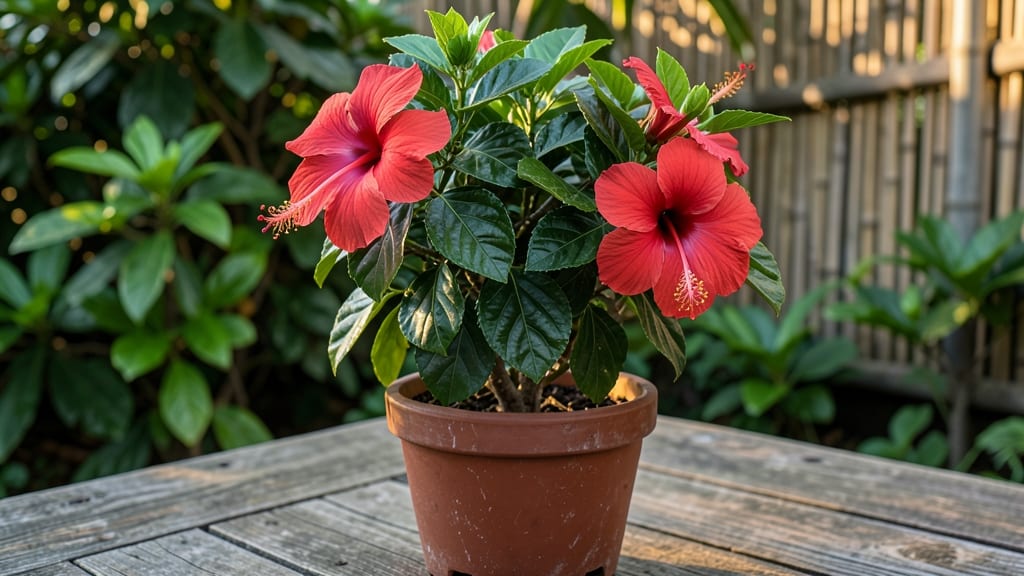
Growing a garden hibiscus plant that blooms nonstop starts with the right spot and a little patience—these tropical beauties reward you with bold flowers and glossy leaves once they get settled.
I’ve had mine push out fresh blooms every month, even in summer’s heat, and the secret isn’t complicated: full sun, rich soil, and a watering routine that mimics their natural habitat.
The first year is about building strong roots; after that, you’ll see those striking red, pink, or white flowers opening like clockwork.
You’ll need well-draining soil (think 60% native soil, 30% compost, and 10% perlite) and a location where they get at least 6-8 hours of sunlight daily—morning sun is ideal to prevent afternoon wilting.
Container growers can use 15-gallon pots with drainage holes, while in-ground plants thrive in slightly acidic soil (pH 6.0-6.5). Mulching helps retain moisture and keeps roots cool, which is especially important in hot climates where hibiscus can get stressed.
Once established, hibiscus are surprisingly drought-tolerant, but young plants need consistent moisture—about 1-2 inches of water per week, more during flowering. A balanced fertilizer (like 10-10-10) every 4-6 weeks keeps them blooming, and a light pruning after each flush of flowers encourages bushier growth.
The fragrance? Some varieties even have lightly scented blooms that perfume the air when brushed against—like a tropical breeze in your yard.
Troubleshooting is easy: yellow leaves usually mean overwatering or poor drainage, while slow growth often points to nutrient deficiencies. With the right care, your hibiscus will grow 6-10 feet tall and wide, becoming the showstopper of your garden. Here’s how to keep them thriving all year.
📚 In This Guide
- What you need
- Instructions
- Tips and common mistakes
- Wrapping up and next steps
What you need
- ● Growing a stunning garden hibiscus is easier than you think! Here’s everything you’ll need to get started—whether you’re planting in pots or directly in the ground. 🌸
Step-by-step instructions for planting and cultivating garden hibiscus
Here’s how to establish a thriving hibiscus that rewards you with bold blooms and minimal fuss.
Select the Perfect Planting Location
Garden hibiscus thrives in full sun, requiring at least 6-8 hours of direct sunlight daily. Choose a spot with well-draining soil—hibiscus roots rot easily in soggy conditions. I always test drainage by digging a 12-inch hole, filling it with water, and checking if it drains within 2 hours. If not, amend the soil with 1-2 inches of coarse sand or perlite before planting.
For year-round blooms, plant in early spring after the last frost date in your zone. Hibiscus is frost-sensitive, so avoid planting until soil temperatures reach at least 60°F. If you’re in a cooler climate, start seeds indoors 8-10 weeks before transplanting to extend the growing season.
Prepare the Soil and Plant
Amend the planting hole with 2-3 inches of compost to enrich the soil and improve fertility. Hibiscus prefers slightly acidic to neutral soil, with a pH between 6.0 and 7.0. Mix in a slow-release granular fertilizer (10-10-10 ratio) at the bottom of the hole to provide nutrients as the plant establishes.
Place the hibiscus in the hole, ensuring the root flare (where roots meet the stem) sits just above soil level. Backfill with native soil, pressing gently to remove air pockets. Water deeply to settle the soil, then add a 2-inch layer of mulch around the base, keeping it 6 inches away from the stem to prevent rot.
Water Deeply and Establish a Routine
Hibiscus is drought-tolerant once established, but young plants need consistent moisture. Water once a week during the first 4-6 weeks, ensuring the soil stays evenly moist but not waterlogged. After that, water deeply every 10-14 days, allowing the top 2 inches of soil to dry out between waterings. Overwatering is the fastest way to kill hibiscus—yellowing leaves or wilting despite damp soil means you’re watering too much.
Fertilize every 4-6 weeks with a balanced liquid fertilizer (20-20-20) during the growing season. Stop fertilizing in late summer to encourage blooming rather than leafy growth. Prune spent blooms by cutting back to the nearest leaf node to promote continuous flowering.
Prune for Shape and Health
Prune hibiscus twice a year: once in early spring to shape the plant and again in late winter to remove dead or weak growth. Cut back one-third of the oldest stems to encourage new, vigorous growth. Avoid heavy pruning in summer, as hibiscus blooms on new wood and needs time to recover.
Watch for aphids or spider mites, which love hibiscus leaves. Spray infested areas with neem oil or insecticidal soap at the first sign of pests. A healthy hibiscus develops a thick, woody trunk over time—this is a sign it’s well-established and ready for minimal care.
Overwinter for Year-Round Blooms
In colder climates, protect hibiscus by mulching heavily (4-6 inches) around the base and wrapping the canes in burlap if temperatures drop below 20°F. In USDA Zones 8-11, hibiscus can stay outdoors year-round with light winter pruning to remove dead growth. If you live in a frost-prone area, dig up the plant in fall, trim back by half, and store it in a cool, dark place until spring.
With this routine, your hibiscus will reward you with bold, fragrant blooms from late spring through fall—and with minimal effort once established. The key is sun, drainage, and patience; hibiscus grows slowly at first but becomes a hardy, long-lived staple in the garden.
Tips & tricks for perfect garden hibiscus cultivation
These key insights will help you avoid common pitfalls and maximize your hibiscus's potential for vibrant, fragrant blooms.
Sunlight Optimization: The 6-8 hours of direct sunlight requirement is non-negotiable for hibiscus, but not all sun is equal. Morning sun (especially between 8 AM and 10 AM) provides the ideal balance of warmth and light intensity. If your garden receives harsh afternoon sun, consider providing afternoon shade during the hottest summer months to prevent leaf scorch while still maintaining full sun exposure. I've found that hibiscus planted on the east side of buildings often perform exceptionally well.
Soil Preparation Secret: When amending your planting hole with 2-3 inches of compost, mix in a handful of mycorrhizal fungi granules along with the compost. These beneficial fungi form symbiotic relationships with hibiscus roots, dramatically improving nutrient and water uptake. The 2-hour drainage test is crucial—if water remains after this time, your hibiscus will suffer from root rot regardless of how well you water it later. I've seen plants thrive in amended soil that would have failed in native clay without this simple test.
Watering Wisdom: The transition from weekly watering during the first 4-6 weeks to every 10-14 days can be tricky. Pay attention to the soil's texture rather than relying solely on the schedule. Stick your finger 2 inches into the soil—if it feels dry at that depth, it's time to water. Overwatering is the silent killer of hibiscus, so always err on the side of slightly drier soil rather than soggy conditions. I've lost count of how many plants I've saved by simply letting them go thirsty for a week rather than drowning them.
Frost Protection Strategy: The 60°F soil temperature threshold is critical for planting, but protecting against temperatures below 20°F requires more than just mulch. I've found that wrapping the entire plant (not just the canes) in burlap and covering it with frost cloth creates an insulating microclimate that can raise temperatures by 5-10 degrees. For container-grown hibiscus, move pots to a sheltered location against a south-facing wall where they'll benefit from reflected heat during the day.
Pro Tips for Garden Hibiscus Plant
- These key insights will help you avoid common pitfalls and maximize your hibiscus's potential for vibrant, fragrant b...
- Sunlight Optimization: The 6-8 hours of direct sunlight requirement is non-negotiable for hibiscus, but not all sun i...
- Soil Preparation Secret: When amending your planting hole with 2-3 inches of compost, mix in a handful of mycorrhizal...
Frequently asked questions
Got questions about keeping your garden hibiscus thriving?
You’re not alone! Here are answers to the most common concerns—from planting to troubleshooting—so you can enjoy those stunning blooms all year long.
How often should I water my garden hibiscus?
Water your hibiscus deeply 2-3 times per week during hot, dry months—about 1-2 inches of water per session. In cooler weather, reduce to once a week. Mulch around the base (2-3 inches) to retain moisture and prevent drought stress. Overwatering can cause root rot, so always check soil moisture before watering!
When is the best time to plant a garden hibiscus?
Plant hibiscus in spring or early summer (after the last frost) for the best establishment. If you’re in a warm climate (zones 9-11), you can plant in fall too. Avoid planting in extreme heat or cold—hibiscus hates transplant shock! Give it 6-8 weeks to settle before expecting blooms.
Why aren’t my hibiscus flowers opening?
Bloom issues often stem from over-fertilizing with high-nitrogen (which promotes leaves, not flowers) or lack of sunlight (6+ hours daily is ideal). Prune leggy growth in early spring to encourage new blooms. Also, check for pests like aphids or spider mites—spray with neem oil if needed!
Can garden hibiscus survive winter in cold climates?
Most garden hibiscus (like Hibiscus moscheutos) are hardy to zones 5-9. In colder areas, dig up tubers in fall, store them in dry peat moss, and replant in spring. For tropical hibiscus (zones 10-11), mulch heavily and wrap the plant in burlap for protection. No winter prep? Expect leaf drop but new growth in spring!
What’s a good alternative if I can’t grow hibiscus?
If your climate or space is tricky, try these hibiscus-like plants:
- Rose of Sharon (Hibiscus syriacus): Hardy to zone 5, drought-tolerant, and blooms in late summer.
- Butterfly Bush (Buddleia): Attracts pollinators and thrives in poor soil.
- Crapemyrtle (Lagerstroemia)**: Drought-resistant with vibrant fall foliage.
Wrapping up and next steps
Growing a garden hibiscus plant is a rewarding journey that brings vibrant color, fragrant blooms, and low-maintenance beauty to your outdoor space. 🌸 With the right soil, sunlight, and care—like regular pruning and drought-tolerant watering—you’ll enjoy stunning flowers year-round.
Whether you’re a beginner or a seasoned gardener, this resilient plant is a fantastic addition to any landscape.
Ready to transform your garden? Start by choosing your favorite hibiscus variety, then head to your local nursery or online store to grab your plant. Plant it today and watch your garden flourish! 🌱