
Pests and Diseases
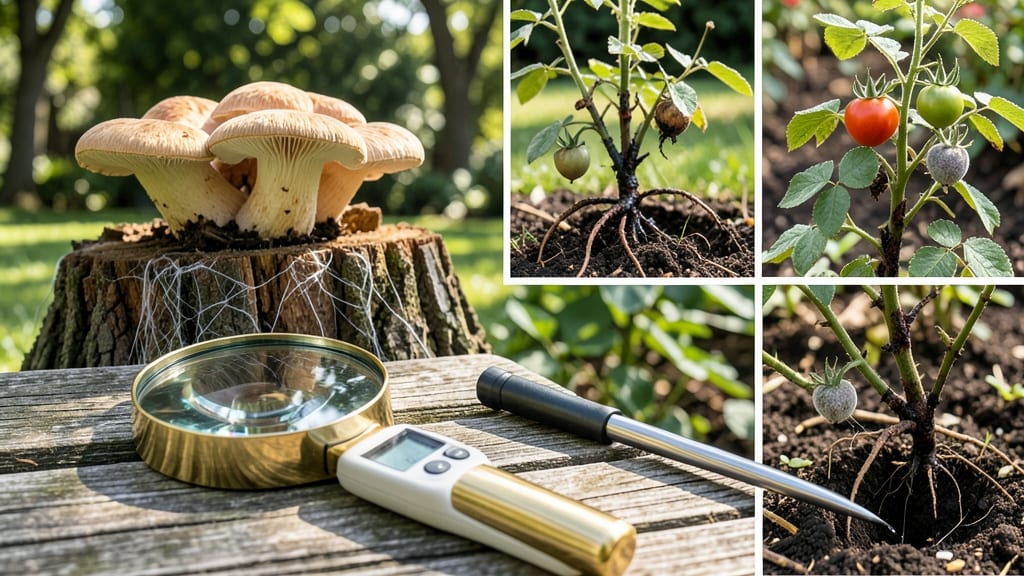
Spotting garden fungus early with the right garden fungus identification pictures can mean the difference between saving your plants and watching them wither—trust me, I’ve seen it all.
This guide shows you exactly what to look for—from fuzzy white powder to slimy black patches—so you can stop the problem before it takes hold.
The key is matching symptoms to the fungus: powdery mildew on roses, rust spots on tomatoes, or the telltale rings of target leaf spot. Each one thrives under different conditions—too much shade, poor airflow, or wet foliage—and knowing the signs helps you fix the root cause.
No more guessing whether to prune, spray, or just let nature run its course.
You’ll leave here confident in spotting the difference between harmless mold and a full-blown infection. The pictures alone will show you what your plants are really telling you—no green thumb required. Once you recognize the patterns, managing outbreaks becomes straightforward: adjust watering, improve airflow, or apply a simple organic treatment.
Works for any backyard, from container gardens to full-size plots. Whether you’re dealing with a single infected leaf or a garden-wide outbreak, this visual guide keeps your plants healthy and your harvests intact. Let’s get those fungi identified—and stopped—for good.
Root Causes of Fungal Growth
Fungi in your garden aren’t just random invaders—they thrive because of specific conditions. Understanding these triggers helps you prevent outbreaks before they start. Below, we break down the science behind why fungi pop up in your yard, from damp soil to stressed plants.
Fungi love water—it’s their lifeline. When soil stays soggy for too long, spores germinate and spread. Here’s why moisture fuels fungal growth:
- Oxygen Deprivation: Wet soil traps air, creating anaerobic (low-oxygen) conditions. Many fungi, like Phytophthora (root rot), thrive in these environments because they don’t need oxygen to survive. - Spore Activation: Fungal spores often lie dormant until moisture triggers them.
A single heavy rain or overwatering can wake them up, leading to outbreaks like powdery mildew or downy mildew. - Plant Stress: Overly wet roots can’t absorb nutrients efficiently, weakening plants and making them prime targets for fungal infections.
Actionable Fix:
- Improve drainage by amending soil with compost or perlite (for containers).
- Water early in the day to allow foliage to dry before evening.
- Avoid mulching too thickly—stick to 2–3 inches to prevent suffocation.
Healthy plants resist fungi better. When they’re stressed—whether from disease, pests, or poor care—fungi move in like vultures. Common stressors include:
- Nutrient Deficiencies: Lack of nitrogen, phosphorus, or potassium weakens cell walls, making plants vulnerable to pathogens like rust fungi.
- Physical Damage: Pruning wounds or insect bites (e.g., from Japanese beetles) create entry points for fungi such as Botrytis cinerea (gray mold).
- Competition for Resources: Overcrowded plants compete for sunlight and water, slowing growth and reducing their ability to fight off infections.
Actionable Fix:
- Space plants properly (follow label guidelines for mature size).
- Fertilize regularly with a balanced 10-10-10 or organic options like fish emulsion.
- Remove dead or diseased leaves immediately to stop spore spread.
Fungi aren’t picky—they adapt to your garden’s microclimates. Warmth + humidity = fungal paradise. Key triggers:
- Nighttime Dew: Prolonged dew on leaves (especially in shady, enclosed areas) creates the perfect breeding ground for powdery mildew or leaf spot fungi. - Poor Airflow: Dense foliage traps moisture.
Fungi like Alternaria (black spot) spread faster in stagnant air. - Seasonal Shifts: Spring and fall bring mild temps (60–80°F) and high humidity—ideal for fungal spores to germinate.
Actionable Fix:
- Prune for airflow: Trim branches to let sunlight and breezes circulate.
- Use fungicide sprays (copper-based or neem oil) preventatively in high-risk seasons.
- Avoid evening watering—opt for drip irrigation at the soil level to keep leaves dry.
Fungi hitchhike on tools, compost, or even wind. Here’s how they spread unintentionally:
- Dirty Pruners/Shovels: Spores cling to tools and transfer to healthy plants.
For example, Armillaria (honey fungus) spreads via infected wood chips or mulch. - Reused Compost: Homemade compost with uncooked plant debris (like diseased leaves) can reintroduce fungal pathogens. - Windborne Spores: Fungi like rust travel on wind currents, infecting new plants in a matter of days.
Actionable Fix:
- Sterilize tools with rubbing alcohol (70%+) or a bleach solution (1:9 bleach:water) between uses.
- Test compost before use—look for signs of mold or heat spikes (ideal compost heats to 130–160°F to kill pathogens).
- Quarantine new plants for 2 weeks to monitor for fungal signs.
Just like humans, plants have immune systems. When their defenses drop, fungi exploit the opportunity. Common immunity killers:
- Improper pH Levels: Most fungi prefer slightly acidic to neutral soil (pH 6.0–7.0).
Extreme pH (too acidic or alkaline) stresses plants, making them susceptible. - Chemical Overuse: Excessive synthetic fungicides or herbicides disrupt beneficial microbes in the soil, allowing harmful fungi to dominate. - Monoculture Planting: Growing the same plant species repeatedly in one spot (e.g., tomatoes) depletes soil nutrients and encourages soil-borne fungi like Verticillium wilt.
Actionable Fix:
- Test soil pH and amend with lime (to raise pH) or sulfur (to lower pH) as needed.
- Rotate crops annually to prevent pathogen buildup.
- Boost soil microbes with compost tea or mycorrhizal fungi inoculants.
Leaves, fallen fruit, and plant waste aren’t just eyesores—they’re fungal buffets. Why?
- Decaying Matter: Organic debris provides food and shelter for fungi.
For example, mushrooms (like Agaricus bisporus) grow on composted manure or wood chips. - Saprophytic Fungi: These fungi feed on dead plant material (e.g., Rhizoctonia on mulch) and can jump to living plants. - Hidden Infestations: Old plant roots or stems may harbor dormant fungal spores that reactivate when new plants are planted in the same spot.
Actionable Fix:
- Remove debris promptly—rake up fallen leaves and prunings.
- Use sterilized mulch (e.g., cedar chips or straw) instead of wood chips from unknown sources.
- Solarize soil in spring by covering it with clear plastic for 4–6 weeks to kill pathogens.
How to solve it
Fungus in your garden isn’t just unsightly—it can weaken plants, reduce yields, and even kill them if left unchecked. The good news? Most fungal issues have straightforward fixes, whether you’re dealing with powdery mildew, rust, blight, or root rot.
Below, we’ve mapped out the most common causes to their easy-to-follow solutions, plus prevention tips to keep your garden thriving.
Cause: Fungal spores spread through decaying leaves, stems, or fruit. Fix:
- 🔥 Pull and dispose of infected plants immediately. Don’t compost them—toss them in the trash (or burn them if possible).
- 🍳 Prune healthy plants to improve airflow, reducing humidity where fungi love to grow.
- ⏰ Time it right: Remove debris in the early morning when spores are less active.
Prevention Tip: 💡 After cleanup, spray the soil with a 1:10 bleach-water mix (1 part bleach to 10 parts water) to kill lingering spores.
Cause: Overwatering or poor soil drainage creates soggy conditions, perfect for fungal growth. Fix:
- 👨🍳 Adjust your watering schedule: Water deeply but less frequently (early morning is best). Aim for 1–1.5 inches per week, including rainfall.
- 🥘 Fix drainage issues: Amend heavy clay soil with compost or sand to help water drain. Raised beds or containers can also help.
- 🔪 Avoid overhead watering: Use drip irrigation or soaker hoses to keep foliage dry.
Prevention Tip: ✨ Mulch around plants with straw or wood chips (2–3 inches deep) to retain moisture in the soil while keeping leaves dry.
Cause: Weak, stressed, or nutrient-deficient plants are more susceptible to fungus. Fix:
- 📊 Feed your plants: Use a balanced fertilizer (like 10-10-10) or organic options like fish emulsion or compost tea to strengthen roots.
- 💪 Support growth: Ensure plants get 6–8 hours of sunlight and space them properly for airflow.
- 🍎 Choose resistant varieties: Swap susceptible plants (e.g., susceptible tomatoes) for fungus-resistant hybrids (look for labels like "VFN" for verticillium/wilt/fusarium resistance).
Prevention Tip: 🎯 Spray plants with a baking soda solution (1 tsp baking soda + 1 quart water + a drop of dish soap) weekly as a preventative fungicide.
Cause: Fungal spores persist even after cleanup, especially in humid climates. Fix:
- 🌿 Try organic options first:
- Neem oil (mix 1 tbsp neem oil + 1 tsp mild soap + 1 quart water; spray every 7–10 days).
- Copper fungicide (follow label instructions for safe application).
- 🧪 Use chemical fungicides (like chlorothalonil or myclobutanil) for severe infections—rotate types to prevent resistance.
Prevention Tip: 🔥 Apply fungicides preventatively before rain or high-humidity periods, not just after symptoms appear.
Cause: Fungal spores linger in soil and on garden tools, reinfecting plants year after year. Fix:
- 🔄 Practice crop rotation: Don’t plant the same family (e.g., tomatoes, potatoes, peppers) in the same spot for 3–4 years.
- 🧼 Clean tools regularly: Wipe pruners, shovels, and rakes with rubbing alcohol or a 10% bleach solution between uses.
Prevention Tip: 💡 *Plant fungus-fighting companions like garlic, chives, or marigolds near susceptible plants to deter spores.
Final Reminder: 🌱 Act fast—fungus spreads quickly!* The sooner you address the cause, the easier it is to save your plants. Combine removal, better watering, plant health, and preventative sprays for the best results. With these steps, your garden can bounce back stronger than ever!
Frequently asked questions
How do I tell if a white spot on my leaves is fungus or just dust?
Fungal growth like powdery mildew feels gritty when rubbed between your fingers, while dust wipes away easily. Check for fuzzy texture or yellowing leaves—these are clear signs of fungus. Dust rarely causes leaf discoloration or spread to other plants.
Can I use the same fungicide spray on all my plants?
No, some fungicides target specific fungi (like copper for blight) while others are broad-spectrum. Always read labels—organic options like neem oil work for many fungi, but chemical sprays may harm edible plants or beneficial insects. Test on a small area first.
Why does fungus keep coming back even after I treat it?
Fungal spores often survive in soil or on tools. The issue might be poor airflow, overwatering, or not removing infected plant debris completely. Sterilize tools, improve drainage, and apply preventative sprays before symptoms appear to break the cycle.
Are there any fungi that are actually good for my garden?
Mycorrhizal fungi form beneficial relationships with plant roots, improving nutrient uptake. Mushrooms like Agaricus bisporus (button mushrooms) also break down organic matter. Only harmful fungi (like rust or root rot) need control.
How can I safely dispose of infected plants?
Never compost diseased plants—spores can survive and reinfect. Seal them in a plastic bag and throw them in the trash (or burn them if local regulations allow). Avoid burying infected plants, as spores may spread underground. Disinfect garden tools afterward with rubbing alcohol.