
Pests and Diseases
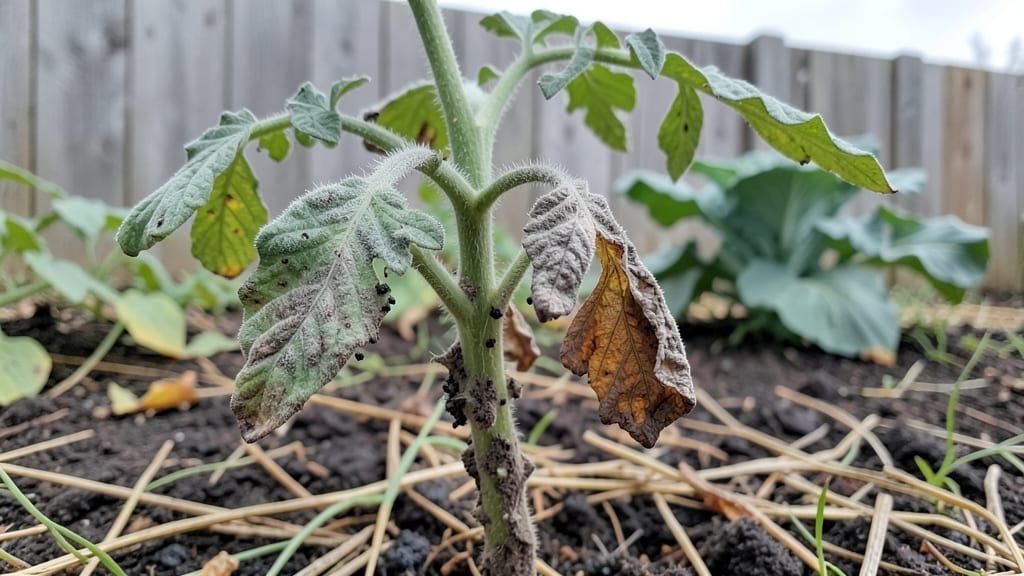
The key to mastering garden fungus identification lies in those telltale signs—powdery white spots on leaves, slimy black patches on stems, or rust-colored dust on petals. 🌿 I’ve spent years tracking down these sneaky invaders, and the first step is always the same: don’t panic, but don’t ignore it either.
Most garden fungi leave distinct visual fingerprints, from fuzzy molds to sticky spores, and knowing which plant they target narrows it down fast.
The key is matching symptoms to the right fungus: downy mildew on squash leaves, black spot on roses, or powdery mildew on peonies. Grab a hand lens to check for spores, and snap photos of the infected areas—details like color, texture, and where it appears make all the difference.
Some look-alikes, like bacterial blights or nutrient deficiencies, can fool even experienced gardeners, so I’ll show you how to tell them apart.
Once you’ve got the ID right, management gets easier. Prune infected leaves before they spread, improve airflow around plants, and use targeted fungicides only when needed. The goal isn’t to eliminate every spore—it’s to keep your garden from becoming a fungus buffet.
With these tricks, you’ll spot problems early and stop them before they take over.
This guide covers the most common backyard fungi, plus when to call in reinforcements like lab testing or soil analysis. Whether you’re dealing with a first-time outbreak or a recurring battle, you’ll walk away knowing exactly what’s attacking your plants—and how to fight back.
Hidden Triggers Behind Fungus Growth
Fungi in your garden aren’t just random invaders—they thrive because of specific conditions you might not even notice. Understanding these hidden triggers helps you spot weak spots in your garden’s health and take action before outbreaks spread.
Let’s break down the real culprits behind fungal growth, from environmental factors to plant vulnerabilities.
Fungi need water to grow, but too much moisture creates the perfect breeding ground. Here’s how it happens:
- Overwatering: Most garden fungi (like Phytophthora or Rhizoctonia) thrive in soggy soil. Even well-draining soil can become waterlogged if you irrigate on a strict schedule without checking moisture levels. Pro tip: Stick your finger 2 inches into the soil—if it’s damp, wait before watering again.
- Poor Soil Structure: Compacted or clay-heavy soil repels water, creating surface puddles that fungi love. Pythium, a common water mold, spreads rapidly in these conditions.
- Foliage That Doesn’t Dry: Wet leaves for more than 12 hours (from rain or overhead watering) trap spores. Powdery mildew and downy mildew take advantage of this humidity.
Actionable fix: Improve drainage with organic matter (compost or coconut coir), water at the soil base (not leaves), and space plants for airflow.
Fungi aren’t picky—they just love moderate conditions. Most garden fungi prefer:
- 60–85°F (15–30°C): This is the "Goldilocks zone" for fungal spores to germinate. Botrytis (gray mold) and rust fungi peak in these temps.
- High Humidity (70%+): Even if it’s not raining, humid air keeps fungal spores active. Early mornings with dew are prime time for powdery mildew to spread.
- Sudden Temperature Shifts: Cool nights followed by warm days stress plants, weakening their defenses and making them susceptible to anthracnose or leaf spot.
Actionable fix: Monitor your microclimate with a hygrometer, mulch to stabilize soil temps, and avoid planting susceptible crops (like tomatoes or roses) in shady, damp corners.
Healthy plants resist fungi better. When they’re under stress, fungi exploit the opportunity:
- Nutrient Deficiencies: Lack of nitrogen, phosphorus, or micronutrients (like magnesium) weakens cell walls, making plants vulnerable to root rot or canker diseases.
- Physical Damage: Pruning wounds, insect bites (e.g., aphids), or hail can create entry points for Verticillium wilt or Armillaria root rot.
- Overcrowding: Poor airflow from dense planting lets spores linger on leaves. Powdery mildew thrives in these conditions.
- Transplant Shock: Newly planted or recently repotted plants are stressed and more prone to damping-off (a fungal seedling killer).
Actionable fix: Rotate crops annually, space plants for airflow, and fertilize with balanced organic matter (like compost tea) to boost plant resilience.
Fungal spores are sneaky—they hitch rides on tools, compost, and even wind. Here’s how contamination spreads:
- Dirty Pruners or Shovels: Spores from infected plants can transfer to healthy ones via tools. Armillaria (shaggy ink cap) spreads this way.
- Reused Compost or Mulch: If compost contains infected plant debris (like diseased leaves), it can reintroduce fungi to your garden.
- Windborne Spores: Fungi like rust release spores that travel miles, landing on susceptible plants.
- Infected Plant Material: Buying or trading plants with hidden infections (e.g., Phytophthora in nursery stock) introduces fungi to your garden.
Actionable fix: Sterilize tools with 70% rubbing alcohol or bleach water (1 part bleach to 9 parts water), test compost heat (140°F+ kills spores), and quarantine new plants for 2 weeks.
Next up: Learn how to identify these fungi in your garden before they take over.
Fixing Fungal Issues Naturally
Fungal problems in your garden don’t have to spell disaster—with the right approach, you can restore your plants to health and prevent future outbreaks. Below are practical, step-by-step solutions tailored to common causes, from overwatering to poor air circulation. Each fix includes prevention tips to keep your garden thriving long-term.
Fix: Adjust your watering habits and improve soil structure.
- 🔥 Reduce frequency: Water deeply but less often—aim for 1–1.5 inches per week (including rain).
- 🍳 Upgrade your soil: Mix in compost or perlite to boost drainage. For heavy clay soil, create raised beds.
- 👨🍳 Choose the right tools: Use drip irrigation or soaker hoses to deliver water at the soil level, avoiding leaf wetness.
- ⏰ Schedule wisely: Water in the early morning so foliage dries by evening, reducing fungal spores’ chance to spread.
Prevention tips: ✨ Test your soil with a moisture meter to avoid guesswork. ✨ Mulch properly with straw or wood chips (2–3 inches deep) to retain moisture without suffocating roots.
Fix: Thin out plants and improve airflow.
- 🔪 Prune strategically: Remove overlapping leaves and dead branches to let air circulate. Use sterilized pruners (wipe with rubbing alcohol) to avoid spreading spores.
- 🌡️ Space plants correctly: Follow tag guidelines for mature plant sizes—crowding traps humidity and invites fungus.
- 🎯 Rearrange beds: If possible, rotate crops annually to break fungal cycles (e.g., don’t plant tomatoes where potatoes grew last year).
Prevention tips: 💡 Use trellises for vining plants (like cucumbers or beans) to elevate them off the ground. 💡 Avoid overhead watering—stick to soil-level irrigation to keep leaves dry.
Fix: Boost plant resilience with targeted care.
- 📊 Feed wisely: Use a balanced fertilizer (10-10-10) or compost tea to strengthen roots and foliage. Avoid nitrogen-heavy fertilizers, which promote soft, fungus-prone growth.
- 🥗 Support growth: Stake tall plants (like tomatoes) to prevent leaf contact with soil, a common entry point for pathogens.
- 🌿 Remove affected parts: Snip off yellowing or spotted leaves and dispose of them in the trash (not the compost)—fungus can survive in compost piles.
Prevention tips: ✨ Monitor stress signs early—wilting, stunted growth, or discoloration mean it’s time to intervene. ✨ Hardening off seedlings gradually before transplanting reduces shock and susceptibility.
Fix: Clean up and sanitize your garden.
- 🧹 Rake regularly: Remove fallen leaves, fruit mummies (like tomato blights), and plant debris from beds and paths. Bag and trash them—don’t compost if fungus is present.
- 🔪 Sterilize tools: After pruning infected plants, soak tools in 1 part bleach to 9 parts water for 10 minutes, then rinse and dry.
- 🌡️ Solarize soil (for stubborn cases): In hot climates, cover soil with clear plastic for 4–6 weeks to bake out fungal spores.
Prevention tips: 🔥 Mulch lightly—a thin layer (1 inch) allows airflow while suppressing weeds. 🔥 Rotate crops to starve soil-borne fungi (e.g., swap nightshades with legumes).
| Fungus Type | DIY Fix | Store-Bought Option |
|---|---|---|
| Powdery Mildew | Baking soda spray (1 tsp + 1 tsp oil + 1 gallon water) | Neem oil or sulfur-based fungicide |
| Blight (Tomato/Potato) | Copper fungicide spray (homemade: 1 tsp copper sulfate + 1 gallon water) | Fixed copper fungicide (e.g., Bonide Copper Fungicide) |
| Root Rot | Hydrogen peroxide (3%) (1 tbsp per gallon of water, drench roots) | Mycorrhizal fungi inoculant for long-term soil health |
⚠️ Pro Tip: Always test sprays on a small area first to avoid leaf burn. Reapply every 7–14 days or after rain.
Final Thought: Most garden fungi are opportunistic—they thrive when conditions are just right for them. By fixing the root cause (literally and figuratively) and preventing recurrence, you’ll spend less time treating and more time enjoying a lush, healthy garden. 🌿
Frequently asked questions about garden fungal ID
How do I tell if a white powder on leaves is fungus or just dust?
Fungal spores appear as a powdery or fuzzy coating that usually spreads unevenly. Dust wipes off easily, but fungus leaves a white or gray residue that won’t come off. Scrape a small area—if it leaves a chalky film, it’s likely powdery mildew. Also check the underside of leaves for fuzzy growth, a key sign of fungal infection.
Can I use a hand lens to identify garden fungus?
Yes! A 10x magnification lens helps spot key details like spore color, texture, and growth patterns. Look for tiny black dots (fruiting bodies) on rust fungi or thread-like mycelium in damp soil. For tricky cases, snap a photo and compare it to online databases like the University of Minnesota’s Fungus Guide.
Why does my fungus keep coming back even after treatment?
Recurring fungus often means you’re treating symptoms, not the cause. Check for hidden moisture issues (waterlogged soil, poor drainage) or plant stress (nutrient deficiencies, overcrowding). Spores can also linger in compost or old plant debris—sterilize tools and remove all infected material before reapplying fungicides.
Is it safe to compost plant material with fungus?
No—composting doesn’t kill all fungal spores. If you compost infected leaves or fruit, you’re just spreading the problem. Instead, bag and trash severely infected material. For mild cases, solarize the debris by leaving it in a sealed black plastic bag in the sun for 2–3 weeks to kill spores before composting.
How do I know if my plant has fungus or a bacterial infection?
Fungal infections often show powdery, fuzzy, or rust-colored growth, while bacterial spots are usually water-soaked, greasy, or yellow-haloed. Scrape a sample—fungus leaves a fluffy residue, while bacteria often ooze when wet. For confirmation, send a sample to a plant diagnostic lab.