
Diseases
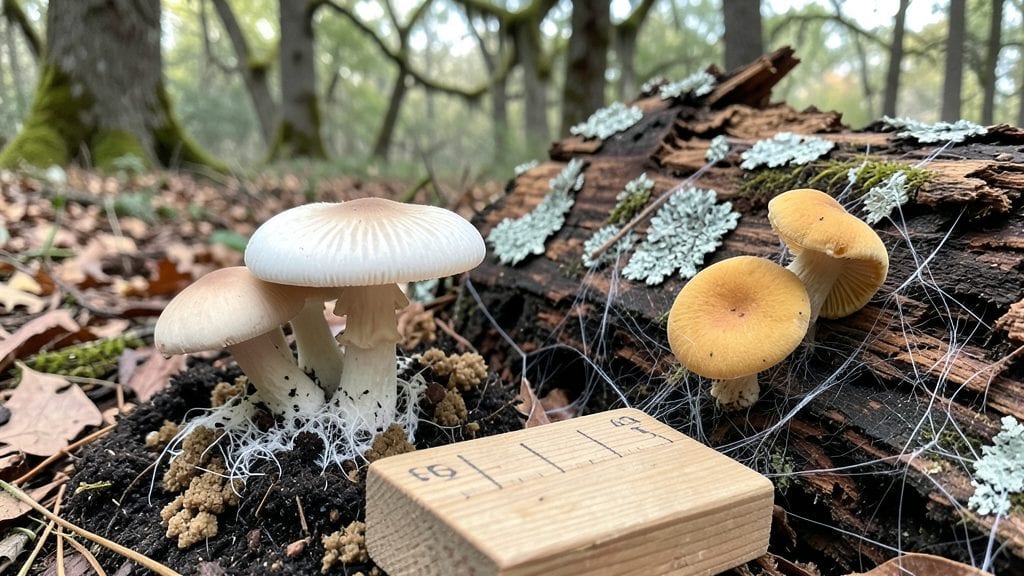
Identifying garden fungus types starts with spotting the weird stuff on your plants—those white dusty patches, rusty orange spots, or sudden mushroom pops in your lawn. 🌱 I’ve spent years watching these invaders transform healthy gardens into fungal hotspots, and the key to beating them is knowing exactly what you’re dealing with before it spreads.
The most common culprits—powdery mildew, rust, blight, and mushrooms—each have telltale signs that help you act fast. Powdery mildew looks like flour dust on leaves, rust shows up as orange pustules, and mushrooms signal rotting roots or soil issues.
The good news? Most can be stopped with simple fixes like adjusting watering habits, improving airflow, or applying organic sprays.
Once you recognize the fungus, treatment becomes straightforward. For powdery mildew, a mix of baking soda and water works wonders. Rust often responds to copper-based sprays, while blight requires removing infected leaves immediately. The real secret? Prevention—healthy soil, proper spacing, and avoiding overhead watering keeps fungi from moving in.
This guide breaks down each type with photos, symptoms, and step-by-step fixes so you can tackle outbreaks before they ruin your garden. Let’s get your plants back to thriving!
Root Causes Of Fungal Growth
Fungal spores are everywhere in your garden—waiting for the perfect conditions to sprout and take over. Understanding why these microscopic invaders thrive helps you prevent them before they become a problem. Here’s why your garden might be a fungal buffet:
Fungi love water, but they need it to grow. Overwatering, heavy rainfall, or compacted soil that doesn’t drain well create the ideal soggy environment for spores to germinate. Poor airflow in dense foliage or mulch layers traps moisture against plant surfaces, giving fungi direct access to their next meal.
Why it’s a problem:
- Spores germinate when moisture levels stay high for prolonged periods (think 24+ hours of dampness).
- Root rot fungi (like Phytophthora) thrive in waterlogged soil, suffocating roots and cutting off nutrient uptake.
- Leaf spot diseases (e.g., Alternaria or Septoria) spread faster when water droplets linger on foliage, acting like tiny fungal highways.
Actionable fix:
- Test soil drainage by digging a hole, filling it with water, and timing how long it takes to drain. If it’s slower than 4–6 hours, amend with compost or sand.
- Water early in the day so foliage dries before evening, reducing overnight moisture.
- Avoid overhead watering—use drip irrigation or soaker hoses to keep leaves dry.
Fungi are cold-blooded (literally)—they’re most active when temperatures hover between 60–85°F (15–30°C) and humidity stays above 70%. Heat waves followed by sudden rain create a double whammy, triggering outbreaks of powdery mildew, rust, or blight.
Why it’s a problem:
- High humidity slows evaporation, keeping spores hydrated and ready to infect.
- Nighttime dew on leaves provides a free water source for fungi to colonize.
- Stressed plants (from heat or drought) have weakened defenses, making them easy targets.
Actionable fix:
- Improve airflow by pruning dense branches and spacing plants appropriately (aim for 3–5 feet between shrubs).
- Use fungicide sprays (neem oil or copper-based) preventatively during peak fungal seasons (spring and fall).
- Mulch strategically: Use straw or pine needles (which allow airflow) instead of thick layers of wood chips, which can trap moisture.
Healthy plants can fend off fungal attacks, but stress from nutrient deficiencies, pests, or physical damage leaves them vulnerable. Think of it like a human with a vitamin deficiency catching every cold that comes their way—your plants are no different.
Why it’s a problem:
- Nitrogen deficiency (yellowing leaves) weakens cell walls, making them easier for fungi to penetrate.
- Insect damage (e.g., aphids or mites) creates entry points for fungal spores.
- Transplant shock or root disturbance during planting stresses plants, lowering their resistance.
Actionable fix:
- Fertilize smartly: Use a balanced fertilizer (10-10-10 or 5-5-5) to avoid nitrogen overload, which can also attract pests.
- Rotate crops annually to prevent soil-borne fungi from building up.
- Inspect plants regularly for early signs of stress (wilting, discoloration) and address issues before they spiral.
Fungal spores are persistent—they can lie dormant in soil for years, waiting for the right conditions to reactivate. Even well-meaning gardeners unknowingly spread them by using infected tools, compost, or plant debris from previous seasons.
Why it’s a problem:
- Old compost or manure may contain fungal spores if not fully broken down (aim for 120°F+ during composting).
- Reused pots or soil from infected plants can harbor pathogens like Fusarium or Verticillium wilt.
- Shared tools (pruners, trowels) can transfer spores from diseased to healthy plants.
Actionable fix:
- Sterilize tools between uses with rubbing alcohol (70%+) or a 10% bleach solution (rinse well).
- Solarize soil in spring by covering it with clear plastic for 4–6 weeks to kill dormant spores.
- Test new soil for fungal activity by planting a sacrificial crop (like radishes) before high-value plants.
Pro Tip: 🌡️ Monitor your garden’s microclimate with a hygrometer (humidity sensor) and soil moisture meter—early detection of high moisture or heat spikes can save your plants before fungi take hold!
Quick Fixes for Fungal Foes
Fungal infections in your garden can feel like a losing battle, but with the right approach, you can reclaim your plants and prevent future outbreaks. Below are practical, step-by-step solutions tailored to the most common causes—plus tips to keep your garden thriving long-term.
If you’ve spotted mushrooms, powdery mildew, or black spot, the first step is to stop the spread. Fungal spores hitchhike on infected leaves, stems, and soil, so act fast!
- 🔪 Prune away diseased foliage using clean, sterilized shears (wipe with rubbing alcohol between cuts).
- 🗑️ Dispose of infected plants in the trash (not compost)—fungi can survive in compost piles.
- 🌱 For severe cases, remove the entire plant if it’s beyond saving (e.g., root rot or blight).
Pro Tip: 💡 Water the base of plants in the morning to let foliage dry quickly—wet leaves for hours = fungal party time.
Many fungi thrive in shady, humid conditions. Boost circulation to dry out plants faster and discourage spores.
- 🌳 Thin out overcrowded plants—aim for 6–12 inches of space between stems for airflow.
- 🌞 Prune branches blocking sunlight to brighten the garden bed.
- 💨 Use a fan on hot days for container plants or greenhouse setups.
Pro Tip: ✨ Mulch lightly (1–2 inches) to retain moisture without smothering plants—too much mulch traps dampness.
Overwatering is the #1 fungal fuel source. Switch to smart hydration to drown out the problem (literally, the good kind of drowning).
- 💦 Water at the soil level, not overhead (use drip irrigation or soaker hoses).
- ⏰ Water early in the day (before 10 AM) so leaves dry by evening.
- 🌱 Check soil moisture—stick your finger 1 inch deep; water only if it’s dry.
Pro Tip: 🌡️ Avoid watering in the evening—cool temps + wet foliage = fungal buffet.
Not all fungi need harsh chemicals. Start with gentle, organic fixes, then escalate if needed.
| Fungus Type | Natural Fix | Chemical Option |
|---|---|---|
| Powdery Mildew | Baking soda spray (1 tsp/L water + soap) | Neem oil or sulfur fungicide |
| Black Spot (Roses) | Copper fungicide or hydrogen peroxide | Systemic fungicide (e.g., Myclobutanil) |
| Root Rot | Reduce water; add compost to drainage | Fungicide like Captan (for severe cases) |
| Mushrooms (Lawn) | Improve drainage; remove thatch | Fungicidal granules (last resort) |
Pro Tip: 🔥 Rotate treatments—fungi build resistance, so mix up your methods (e.g., neem oil one week, copper the next).
An ounce of prevention beats a pound of cure. Build a fungus-resistant garden with these habits:
- 🌱 Choose resistant varieties (e.g., mildew-resistant tomatoes or roses).
- 🍄 Test your soil—amend with compost to improve drainage and microbial balance.
- 🧼 Sterilize tools between uses (bleach or alcohol wipes).
- 🚫 Avoid walking on wet lawns—compresses soil and spreads spores.
Pro Tip: 🎯 Crop rotation confuses fungi—don’t plant the same family (e.g., tomatoes, peppers) in the same spot yearly.
Final Note: Patience is key—some fungi take weeks to clear. Monitor progress and adjust your approach as needed. With these fixes, your garden will be back to lush and fungus-free in no time!
Frequently asked questions
What’s the difference between mushrooms and harmful garden fungi?
Mushrooms are often harmless (or even beneficial) and grow from decomposing organic matter, while pathogenic fungi like powdery mildew or root rot attack living plants. The key difference: mushrooms appear above ground and don’t harm plants, whereas harmful fungi cause visible damage (spots, wilting, or decay) and spread through spores.
Can beneficial fungi actually help my garden?
Fungi like mycorrhizae form symbiotic relationships with plant roots, improving nutrient absorption and drought resistance. Look for them in healthy compost or organic fertilizers. They’re nature’s soil superheroes—just avoid introducing them if you’re battling harmful pathogens.
How do I tell if a fungal issue is spreading or contained?
Check for new symptoms daily: spreading means you’ll see fresh spots, wilting, or mushrooms popping up in new areas. Contained issues stay localized to the original plant. If spores appear on neighboring plants or soil, act fast—sterilize tools and remove infected plants immediately.
Are there any garden fungi I should leave alone?
Yes! Fairy ring mushrooms (harmless circles of fungi) and slime molds (bright, jelly-like growths) are harmless and even indicate healthy soil. Avoid disturbing them—they’re nature’s cleanup crew for decaying matter. Only intervene if they’re disrupting your landscape.
Why do some fungi keep coming back even after treatment?
Fungal spores can survive years in soil or plant debris, so incomplete removal or ideal conditions (like poor drainage) let them return. Sterilize soil with solarization (clear plastic for 4–6 weeks) or rotate crops annually to break the cycle. Prevention is key—fix watering habits and improve airflow first.