
Pests
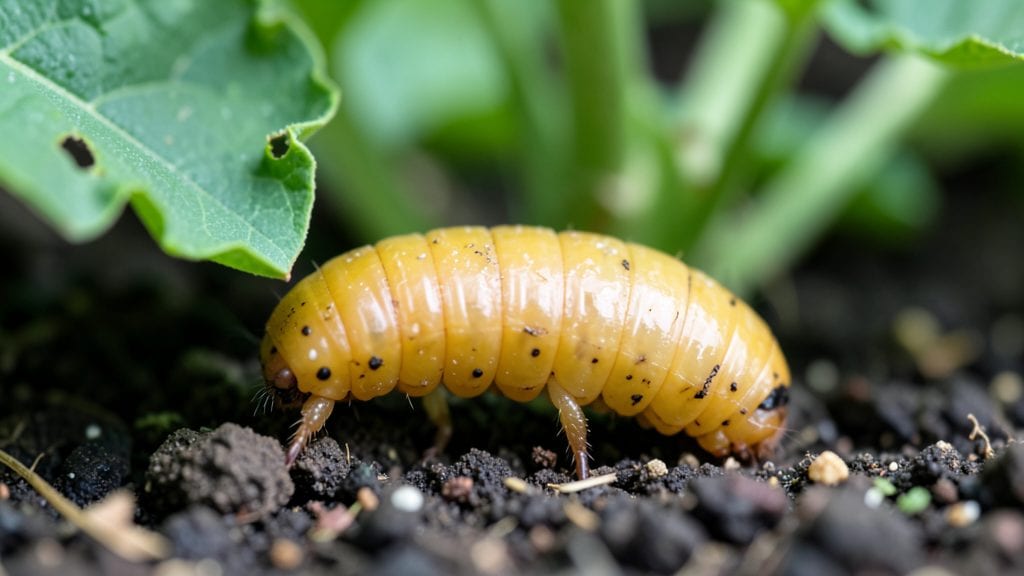
Identifying garden grubs starts with noticing the damage—not the pests themselves. 🌱 Those ragged stems, hollowed-out roots, or chewed seedlings? That’s their calling card. I’ve spent years digging up mystery munchers, and the key is learning which grub matches which crime scene.
The most common culprits are cutworms, white grubs, and wireworms, each with distinct habits. Cutworms slice stems at soil level, white grubs chomp on grass roots, and wireworms tunnel through bulbs and tubers. Their lifecycles overlap, so spotting the damage early saves your plants—and your sanity.
You’ll learn to match chew marks to the right grub, track their lifecycle, and catch them before they destroy your garden. The first step? Checking soil moisture and plant health—grubs thrive where conditions are just right for them.
Once you recognize the patterns, management gets easier. Whether it’s handpicking, organic sprays, or soil adjustments, you’ll know exactly what to do. Let’s get started with the visual clues that solve the mystery.
Root Causes Of Grub Infestations
Garden grubs—those wriggly, soil-dwelling larvae—don’t just appear out of nowhere. Their presence is usually a sign of deeper ecological or environmental factors at play. Understanding these causes helps you take targeted action before they chew up your lawn, garden, or crops.
Below, we break down the most common reasons grubs invade your outdoor spaces, backed by science and actionable insights.
Grubs thrive in specific soil environments, often rich in organic matter and moisture. Here’s why your soil might be a buffet for them:
- High Organic Matter: Grubs, especially Japanese beetle and European chafer larvae, are attracted to nutrient-dense soil. Decomposing plant material, compost, or even overwatered grass clippings create the perfect breeding ground. Pro tip: Test your soil’s organic content—if it’s above 10%, it may be too inviting. 🌡️
- Compacted or Poorly Drained Soil: Grubs prefer soil that’s easy to tunnel through. Compacted clay or waterlogged areas limit their predators (like birds and beneficial nematodes) while providing ideal hiding spots. Action step: Aerate compacted soil in early spring to disrupt their habitats. ⚡
- pH Imbalances: Most grubs favor slightly acidic to neutral soil (pH 6.0–7.0). If your soil is too alkaline (>7.5), it may repel some species but attract others, like black vine weevil larvae, which tolerate harsher conditions. Test your pH: Use a DIY kit or send a sample to a local extension office. 📊
The grubs you’re battling today are the offspring of adult beetles that laid eggs in your yard last season. Here’s how it happens:
- Timing Of Egg Deposition: Most grubs hatch from eggs laid in late spring to early summer. For example, June beetle adults emerge in June, lay eggs in July, and the larvae appear by August—just in time to damage fall-planted grasses. Monitor: Set up traps for adult beetles in May/June to reduce future grubs. 🕵️♂️
- Host Plant Preferences: Adult beetles (like Japanese beetles) are drawn to specific plants, such as roses, grapes, and raspberries. Once they feed, they lay eggs in nearby soil. Solution: Remove attractant plants or use row covers to deter adults. 🌹
- Overwatered Lawns: Grubs need moisture to survive, and overwatering creates the perfect conditions. In fact, studies show that lawns watered three times per week see a 40% increase in grub populations compared to those watered once. Adjust your schedule: Water deeply but infrequently (1–1.5 inches per week). 💦
Grubs aren’t just surviving—they’re booming because their predators are missing in action. Here’s why:
- Pesticide Overuse: Broad-spectrum pesticides (like neonicotinoids) kill not only grubs but also their natural enemies, such as ground beetles, sting beetles, and birds. This creates a vacuum where grubs multiply unchecked. Alternative: Use targeted, organic treatments like Milky Spore or beneficial nematodes. 🐞
- Habitat Loss For Predators: Birds, toads, and shrews rely on healthy ecosystems with diverse plant life and water sources. If your yard lacks shrubs, leaf litter, or bird baths, these predators won’t stick around. Fix it: Add native plants and water features to encourage wildlife. 🏡
- Seasonal Timing: Some predators, like parasitic wasps, time their life cycles to attack grubs at specific stages. If you disrupt their schedule (e.g., by treating too early or late), they won’t be as effective. Plan ahead: Time treatments for after predator peak seasons (e.g., avoid spraying in early summer when wasps are active). ⏳
Sometimes, well-meaning gardening practices accidentally create grub paradises. Here’s how:
- Excessive Fertilizer Use: High-nitrogen fertilizers (like quick-release lawn foods) make grass grow fast—but also make it tastier for grubs. A 2018 study found that lawns fertilized with >1 lb of nitrogen per 1,000 sq ft saw double the grub damage. Switch to: Slow-release, organic fertilizers or reduce frequency. 🌾
- Importing Infested Soil Or Plants: Grub eggs or larvae can hitch a ride in potting mix, mulch, or even sod. If you’ve recently amended garden beds or laid new turf, you might’ve unknowingly introduced them. Prevent it: Sterilize soil with heat (180°F for 30 minutes) or use pasteurized potting mix. 🔥
- Ignoring Early Signs: Brown patches in your lawn or wilting plants often signal grub activity—but many gardeners mistake them for drought or disease. By the time you confirm grubs are the culprit, they’ve already done significant damage. Act fast: Dig up a small section of affected grass; if you find >5 grubs per sq ft, treat immediately. 🔍
Now that you know why grubs show up, the next step is identifying the specific types in your yard—and stopping them before they become a full-blown infestation. Stay tuned!
Fixing Garden Grub Damage Fast
Once you’ve identified the type of grubs wreaking havoc in your garden, it’s time to take action—before they turn your lawn or plants into a buffet. The good news? Most grub problems have practical, effective solutions that don’t require toxic chemicals.
Below, we’ll match the most common causes to step-by-step fixes, plus prevention tips to keep your garden grub-free long-term.
Cause: White grubs (like Japanese beetle or May/June beetle larvae) munching on grass roots, causing brown patches or spongy turf.
🍳 Quick Fixes for Lawn Grubs 1. Handpick & Drown Them 👨🍳
- When: Early evening (grubs are near the surface).
- How: Flip over a section of sod (use a shovel or spade) and scoop out grubs into a bucket of soapy water.
Dispose of them far from your garden. - Best for: Small infestations (under 5 grubs per square foot).
- Nematode Treatment (Natural & Effective) 🐛✨
- Why? Beneficial nematodes (Heterorhabditis bacteriophora) infect and kill grubs without harming plants or pets.
- How:
- Apply early morning or late evening (avoid direct sunlight).
- Water the lawn lightly before and after application.
- Reapply every 4–6 weeks during grub season (spring–fall).
- Pro Tip: 💡 Use a moisture meter—nematodes need damp soil to survive.
- Milky Spore or Beauveria Bassiana (Long-Term Control) 🌱🔥 - Milky spore (Bacillus popilliae) is a bacteria that thrives in soil and targets grubs.
It takes 1–2 years to establish but provides decades of protection. - Beauveria bassiana is a faster-acting fungal treatment (works in 2–4 weeks). - How: Mix powder into water and spray over the lawn. Reapply as directed.
- Encourage Natural Predators 🦋🐦 - Birds (robins, starlings, grackles): They love grubs.
Install a birdhouse or leave some bare soil for them to forage. - Toads & Frogs: Create a small pond or shallow water feature to attract them. - Ground Beetles & Spiders: Reduce pesticide use to keep these helpers around.
Cause: Crickets, cutworms, or scarab beetle larvae chewing on roots, stems, or bulbs (e.g., dahlias, potatoes, or tomatoes).
🔪 Targeted Solutions for Garden Grubs
- Collar Barriers for Young Plants 🌱🛡️
- Why? Cutworms love nibbling on stems at soil level.
- How: Wrap the base of seedlings with cardboard collars, aluminum foil, or plastic rings (bury 1–2 inches deep). Remove collars once plants are established.
- Diatomaceous Earth (DE) for Surface Grubs 🌡️💨
- How: Sprinkle food-grade DE around plants (focus on soil cracks and mulch edges). It’s non-toxic but deadly to soft-bodied grubs.
- Caution: Reapply after rain—DE loses effectiveness when wet.
- Neem Oil Spray (For Cutworms & Soft-Bodied Larvae) 🌿🍃
- Why? Disrupts feeding and growth in young grubs.
- How: Mix 1 tbsp neem oil + 1 tsp mild soap per gallon of water. Spray evening (avoids harming bees). Reapply every 5–7 days.
- Trap Crops & Row Covers 🎯🌻
- Trap crops: Plant marigolds, nasturtiums, or radishes near vulnerable plants (grubs prefer these over your veggies).
- Row covers: Use floating fabric over seedlings to block adult beetles from laying eggs.
Grubs thrive in rich, moist soil with organic matter—so the key is disrupting their lifecycle before eggs hatch.
| Prevention Step | How to Do It | Best Time |
|---|---|---|
| Reduce Thatched Lawn | Dethatch in spring/fall to expose eggs to birds and dry conditions. | Early spring |
| Aerate Soil | Core aeration twice a year (spring/fall) reduces compacted layers grubs love. | Spring or fall |
| Limit Nitrogen Fertilizer | Too much lawn fertilizer = more grub food. Use slow-release, balanced NPK. | Early spring |
| Mow High | Keep grass 3–4 inches tall to shade soil and deter beetles from laying eggs. | Summer |
| Interplant with Grub-Repelling Herbs | Chives, garlic, or thyme around lawn edges confuse beetles. | Plant in spring/fall |
| Inspect & Clean Up | Remove grass clippings, mulch, and debris where beetles hide to lay eggs. | Year-round maintenance |
If your lawn has large brown patches (like a "sod webworm" infestation) or grubs persist despite DIY efforts, consider:
- Professional pest control (they may use labeled insecticides like imidacloprid or chlorantraniliprole).
- Soil testing to check for over-fertilization or compaction worsening the problem.
Final Pro Tip: 🌡️ Monitor with the "Sod Roll Test" every 2 weeks during grub season:
- Dig a 6-inch square of sod.
- Roll it back like a carpet—if you find 5+ grubs per square foot, it’s time to act!
With these targeted fixes and prevention strategies, your garden will stay grub-free—and your plants will thrive. 🌱💚
Frequently asked questions
What do garden grubs look like up close?
Grubs are typically white to cream-colored, C-shaped larvae with soft, segmented bodies and tiny legs. White grubs (like Japanese beetle larvae) grow up to 1 inch long, while wireworms are slender, brownish, and can reach 1.5 inches. Cutworms are smooth, dark gray or green, and curl when disturbed.
How can I tell if my plants are being eaten by grubs instead of other pests?
Grubs leave distinct clues: chewed roots, brown patches in lawns, or stems cleanly cut at soil level (cutworms). Look for ragged edges on leaves (slugs/snails) or holes in foliage (caterpillars). Grubs rarely eat leaves—they target roots, stems, or bulbs.
Are all grubs harmful, or are some beneficial?
Most garden grubs are pests, but a few species (like beetle larvae in compost) help break down organic matter. The key difference: harmful grubs tunnel through roots or stems, while beneficial ones stay in decaying plant material. Never introduce grubs to your garden—they’re almost always unwanted.
What’s the best time of day to find grubs in my soil?
Early morning or late evening is ideal—grubs rise to the surface when soil is moist but not waterlogged. Dig a small section of sod after rain; they’ll be most visible then. Avoid midday when soil dries out and they retreat deeper underground.
Can I use vinegar to kill grubs, or is it too harsh?
Vinegar kills grubs on contact, but it’s too harsh for long-term control and can harm plants. Use it as a spot treatment (1:1 vinegar-water mix) for visible grubs, but follow up with nematodes or Milky Spore for lasting results. Always test on a small area first.