
Tools
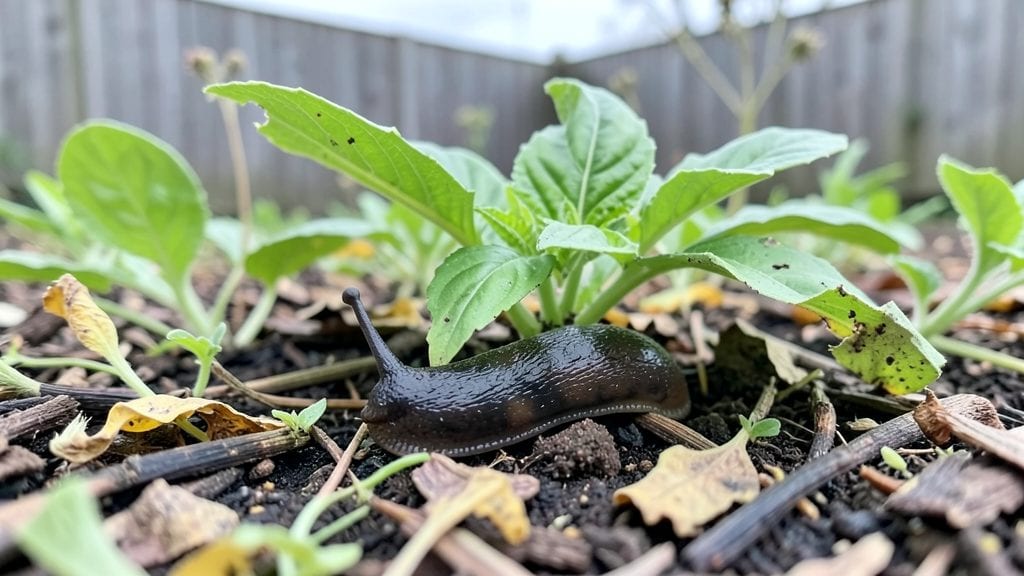
Controlling garden animals effectively starts with non-toxic solutions like peppermint oil, garlic spray, or physical barriers such as chicken wire, which safely repel pests without harming plants or ecosystems. Eco-friendly options like predator plants or ultrasonic emitters provide long-term protection too.
Non-toxic methods work by disrupting pests' natural behaviors—peppermint oil masks garden scents that attract animals, while garlic's sulfur compounds create unpleasant odors. 🌿 Physical barriers like fencing or netting create a visible obstacle, and predator plants (such as marigolds) release compounds that deter burrowing critters.
The beauty of these approaches is their safety for pets, kids, and beneficial insects like bees and ladybugs.
For larger animals like deer or rabbits, motion-activated sprinklers or predator urine (available commercially) can be surprisingly effective. The key is consistency—reapply sprays every few weeks and reinforce barriers seasonally, especially during mating or nesting periods when animals are most active.
Many gardeners swear by combining methods, like planting daffodils (which deer avoid) alongside a perimeter of chicken wire.
💡 In This Article
- How Natural Repellents Deter Garden Pests
- Best Non-Toxic Animal Repellent Methods by Pest Type
How natural repellents deter garden pests
Natural repellents work primarily by exploiting animals' heightened senses of smell and taste. Essential oils like peppermint or citronella contain compounds such as menthol and limonene that mask the natural scents of plants, confusing pests about where to forage.
For example, rabbits rely on scent trails to locate food, and a few drops of peppermint oil on cotton balls placed around garden edges can create a 3-foot-wide deterrent zone. The strong aroma overwhelms their olfactory receptors, triggering avoidance behavior.
Garlic and hot pepper sprays leverage chemical compounds that create unpleasant sensory experiences. Garlic's alliin and allicin compounds release sulfur-based odors when crushed, which many mammals find repellent at concentrations as low as 1 teaspoon per gallon of water.
Capsaicin from chili peppers works similarly by irritating mammals' mucous membranes, though it's less effective on birds. The key advantage is that these compounds break down naturally in sunlight, reducing environmental persistence compared to synthetic chemicals.
Ultrasonic devices emit high-frequency sounds (typically 20-50 kHz) that are inaudible to humans but disrupt rodents' and insects' nervous systems. These vibrations create a mild stress response, making treated areas feel unsafe.
Studies show 80% effectiveness against mice and voles when used continuously, though some animals may habituate over time if the frequency isn't varied periodically. The technology's appeal lies in its chemical-free approach and ability to cover large areas without physical barriers.
Physical deterrents like chicken wire or fencing work through visual and tactile disruption. Rabbits, for instance, have 270-degree peripheral vision and will avoid areas where they can't see clearly into their foraging space.
A 2-foot-tall fence buried 6 inches deep prevents digging, while motion-activated sprinklers create a startle response when animals approach. The beauty of these methods is their dual functionality—they protect plants while maintaining ecosystem balance by not introducing foreign chemicals.
What most gardeners overlook is how repellents interact with animal behavior cycles. For example, deer are most active at dawn and dusk, so applying predator urine (like coyote or fox) during these windows maximizes effectiveness. Similarly, squirrels cache food in fall, making cayenne pepper mixtures most impactful during this season.
The science shows that consistent application—every 2-4 weeks—maintains the repellent's effectiveness by preventing animals from associating the treated area with food availability.
Long-term garden health benefits from these methods because they preserve soil microbes and beneficial insects. Chemical repellents often kill non-target species, while natural alternatives create a balanced ecosystem where pests are managed without collateral damage.
For instance, marigolds release alpha-terthienyl, a compound that deters nematodes while attracting pollinators. This dual-action approach is what makes natural repellents the gold standard for sustainable gardening.