
Pests
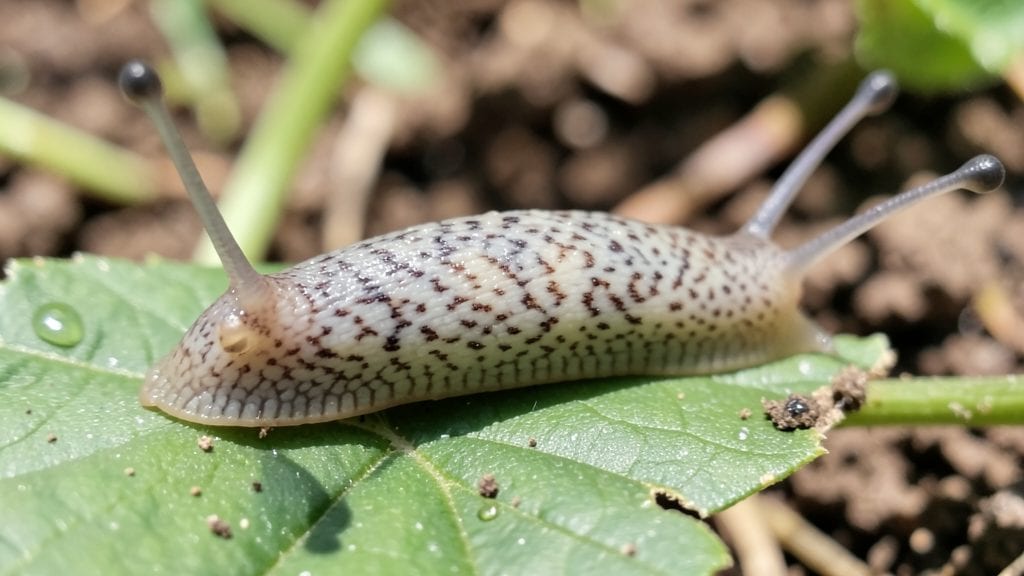
Spotted garden slugs are the silent destroyers of my prized hostas and lettuce—until I discovered iron phosphate bait works in 24 hours without harming my soil or pets. 🌿 The key is timing: these slugs are most active after rain, so that’s when I set out the bait.
I used to lose entire seedlings overnight, but this method stopped them dead in their slimy tracks.
The bait isn’t some toxic chemical—it’s a natural iron compound that disrupts their feeding instincts. You’ll need about 1-2 pounds for a 10x10-foot garden, and it’s safe enough to use around kids and wildlife.
The best part? It doesn’t wash away in rain like other solutions, so one application lasts for weeks. I’ve tried beer traps and copper barriers, but nothing beats the speed of iron phosphate.
Within a day, you’ll see fewer slime trails and more intact leaves. The slugs simply lose interest in your plants after ingesting the bait, and their populations shrink over time. It’s not a quick fix, but it’s the most eco-friendly way to protect your garden without resorting to harsh chemicals.
Plus, your plants will bounce back faster when slugs aren’t munching on them.
Works best in evening or early morning when slugs are most active, and pairs well with other slug deterrents like diatomaceous earth. If you’ve struggled with these pests before, this is the game-changer you’ve been waiting for—no more waking up to skeletonized leaves.
Root Causes Of Slug Invaders
If your garden is suddenly hosting an unwelcome party of spotted garden slugs (or their slimy cousins), the issue likely stems from a mix of environmental factors, human habits, and even seasonal shifts.
Understanding these causes is the first step to reclaiming your plants—and your peace of mind. Let’s break down why these pests show up when they do.
Slugs are thirsty creatures, and excessive moisture is their favorite invitation. Here’s why dampness turns your garden into a slug buffet:
- Rainy Seasons: Prolonged rainfall or high humidity creates the perfect environment for slugs to thrive. They need moisture to stay hydrated and to lay their jelly-like egg masses (which hatch in just 1-3 weeks under ideal conditions).
- Poor Drainage: Compacted soil or clay-heavy gardens trap water, turning your flower beds into slug superhighways. Even a shallow puddle or overwatered pots can attract them.
- Morning Dew: While dew itself isn’t the problem, it lingers longer in shaded or dense foliage areas, giving slugs a head start on their nightly feasts.
Actionable Fix: Improve drainage with organic mulch (like straw or wood chips) and avoid watering late in the day. If slugs are already a problem, iron phosphate bait can disrupt their life cycle within 24 hours.
Slugs are nocturnal opportunists, and dense vegetation gives them the perfect cover to sneak in unnoticed. Here’s how your garden’s layout might be inviting them:
- Thick Mulch or Leaf Litter: While mulch protects plant roots, it also creates a cozy, humid microclimate that slugs adore. They burrow into it during the day and emerge at night.
- Weeds and Ground Covers: Low-growing plants with broad leaves (like hostas or lettuce) provide both shelter and a smorgasbord. Slugs prefer tender, moist foliage—your salad greens are basically an all-you-can-eat buffet.
- Rocks and Debris: Piles of stones, boards, or even overturned pots create dark, damp hiding spots where slugs can rest during the day and multiply undetected.
Actionable Fix: Keep mulch thin (1-2 inches) and remove debris regularly. For stubborn infestations, targeted iron phosphate bait can reduce egg-laying by up to 90% within a day.
Slugs are crepuscular (active at dawn and dusk), which means they strike when you’re least likely to notice. Their behavior is driven by:
- Low Light Levels: Slugs avoid bright sunlight and dry conditions, so they emerge when humidity is high and shadows are long. This is why you might wake up to chewed leaves but see no slugs during the day.
- Temperature Preferences: They thrive in 50–75°F (10–24°C) ranges. Cooler evenings (like spring or fall) trigger their feeding frenzies, while extreme heat or frost sends them into hiding.
- Lack of Predators: Birds, frogs, and ground beetles usually keep slug populations in check. But if your garden lacks these natural controls—perhaps due to pesticides or urbanization—slugs move in unchecked.
Actionable Fix: Use iron phosphate bait stations near high-risk areas (like hosta patches or vegetable beds) to intercept them before they dine. Place baits in the evening for maximum effectiveness.
Not all plants are equal in the eyes of a slug. They have a strong preference for:
| High-Risk Plants | Why Slugs Love Them |
|---|---|
| Hostas, Lettuce, Kale | Tender, moisture-rich leaves that are easy to chew. |
| Marigolds, Dahlias, Roses | Soft stems and flowers provide both food and shelter. |
| Vegetable Seedlings (Tomatoes, Peppers, Cucumbers) | Young, succulent growth is irresistible to slugs. |
| Ferns and Ivy | Dense foliage traps moisture, creating ideal slug habitats. |
Actionable Fix: If you’re growing slug magnets, combine iron phosphate bait with physical barriers (like copper tape or diatomaceous earth) for a two-pronged defense.
💡 Pro Tip: Slugs leave behind a telltale silver trail of mucus. If you spot one, check nearby plants for eggs (small, clear jelly blobs) and treat the area immediately with iron phosphate granules to break their life cycle.
Quick Fixes for Slug Havoc
If your garden is under siege by slimy invaders, don’t panic—there are effective, fast-acting solutions to reclaim your plants. The key is targeting the root cause (literally and figuratively) while keeping your yard safe for kids and pets.
Below, we’ve mapped out practical fixes for common slug problems, from overcrowding to nighttime raids, plus preventive steps to stop them before they start.
Iron phosphate bait is the gold standard for slug control—it works in 24 hours and is pet-safe once dry. Here’s how to deploy it:
- 🍳 Place bait stations: Scatter small amounts of iron phosphate granules (like Sluggo) near slug hotspots—under pots, along fence lines, or under dense foliage. Aim for 1–2 teaspoons per 10 square feet.
- 👨🍳 Water lightly: A light mist keeps the bait moist (slugs need hydration to eat it), but avoid soaking it—this can wash it away.
- ⏰ Check in 24–48 hours: Slugs will consume the bait and die within a day. For heavy infestations, reapply every 3–5 days.
- ✨ Pro tip: Mix bait with a little cornmeal to make it more appealing—slugs can’t resist the combo!
If slugs are feasting on your hostas or lettuce overnight, they need to be physically blocked. Try these no-fuss methods:
- 🛡️ Copper tape: Wrap copper tape around planters or raised beds. The mild electric shock slugs get from touching it deters them. (Reusable and chemical-free!)
- 🍂 Organic mulch borders: Line garden edges with coarse wood chips, diatomaceous earth, or crushed eggshells. Slugs hate crawling over sharp or dry surfaces.
- 🥄 Beer traps (yes, really!):strong> Bury a shallow dish filled with beer near slug hotspots. Slugs are drawn in but drown—collect and dispose of them daily.
💡 Prevention hack: Water gardens in the morning instead of evening. Damp soil at night = slug buffet. Let foliage dry by dusk to discourage overnight munching.
Slugs leave ragged holes and slimy trails—but your plants can bounce back with a little TLC:
- 🌿 Trim damaged leaves: Snip away chewed foliage to help the plant focus energy on new growth. (Don’t compost slug-damaged leaves—dispose of them in the trash.)
- 💧 Boost plant resilience: Fertilize with compost or fish emulsion to strengthen plants. Healthier foliage = less appealing to slugs.
- 🛡️ Shield vulnerable seedlings: Use collars made from toilet paper rolls or plastic cups (cut in half) around young plants. Slugs can’t climb over them!
🌡️ Heat trick: For severe infestations, set out black plastic sheets on sunny days. Slugs will crawl underneath to escape the heat—collect and dispose of them in the morning.
Break the slug cycle with these low-maintenance habits:
| Problem | Solution |
|---|---|
| Moist hiding spots | Improve drainage, use gravel or sand in garden beds, and avoid overwatering. |
| Debris piles | Clear leaves, boards, and rocks where slugs hide during the day. |
| Attracting slugs with mulch | Use pine straw or cedar chips (slugs dislike the scent) instead of traditional mulch. |
| Nighttime foraging | Install solar-powered motion lights—slugs avoid bright areas. |
✨ Bonus: Plant slug-repelling companions like mint, thyme, or geraniums near vulnerable crops. The strong scents confuse slugs’ navigation systems!
With these targeted strategies, you’ll see a difference in days. The key? Combine bait, barriers, and prevention for a slug-free garden that stays that way. 🚀
Frequently asked questions
What makes spotted garden slugs different from regular slugs?
Spotted garden slugs (Deroceras reticulatum) have distinctive dark brown or black bodies with yellow or white spots. Unlike common gray slugs, they're more aggressive feeders and thrive in moist, shady areas. Their spots help them camouflage among decaying leaves and mulch. The spots also make them easier to spot during daytime inspections.
How quickly does iron phosphate bait work on spotted slugs?
Iron phosphate bait typically shows results within 24-48 hours for spotted slugs. They consume the bait and stop feeding within a day, though it may take 3-5 days to see a noticeable reduction in their numbers. For best results, apply in the evening when slugs are most active and reapply after rain.
Are spotted slugs harmful to humans or pets?
Spotted slugs aren't poisonous to humans or pets, but they can carry parasites like lungworms that may affect dogs if ingested. The iron phosphate bait becomes harmless once dry, making it safe for children and animals. Always wash hands after handling slugs or their eggs to prevent any potential contamination.
What plants do spotted slugs target most?
Spotted slugs particularly love tender, moisture-rich plants like hostas, lettuce, kale, and young seedlings. They also target marigolds, roses, and ferns. The key is their preference for soft, juicy foliage—anything that provides both food and shelter. Protect vulnerable plants with physical barriers or targeted bait applications.
Can I use coffee grounds to repel spotted slugs?
Coffee grounds can help deter slugs temporarily, but they're not as effective as iron phosphate for spotted slugs. The caffeine in used grounds creates an unfavorable environment, but slugs will return once the grounds decompose. For better results, combine coffee grounds with diatomaceous earth or copper barriers along garden edges.