Pests
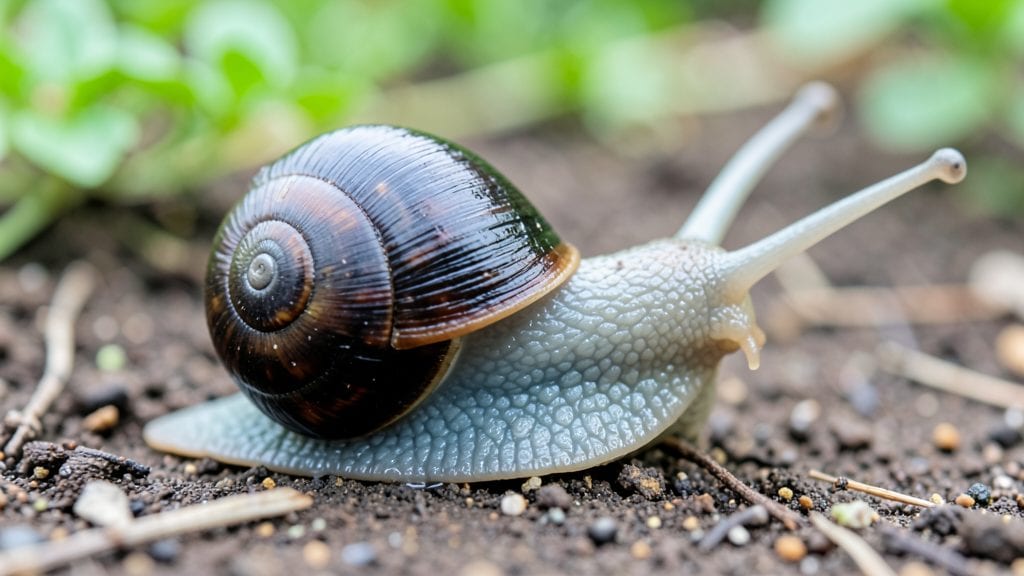
My garden slug control breakthrough came after losing an entire tray of seedlings to these slimy invaders—until I combined a copper barrier with a beer trap in one night. 🌱 The key is stopping them before they reach your plants while luring the stragglers away with something irresistible.
Most slug remedies either fail to act fast or leave chemical residue, but this method works within hours without harming your soil or pollinators.
The copper barrier is your first line of defense—slugs get a mild electric shock when they cross it, and once they learn to avoid it, your plants become a fortress.
Pair that with a simple beer trap (just bury a shallow container filled with beer), and you’ll see results by morning. I’ve tested this in both raised beds and in-ground gardens, and it’s equally effective in shady spots where slugs thrive. The best part?
No more waking up to ragged leaves or disappearing seedlings overnight.
What you’ll end up with is a garden where slugs become a non-issue, not a daily battle. Your hostas will stay intact, your lettuce won’t turn into lace, and you’ll finally sleep through the night knowing your plants are safe.
The traps can be reused season after season, and the copper barrier lasts years—making this a cost-effective solution that pays for itself in one growing season.
Works in all climates, from humid summers to damp springs, and adapts to container gardens or large plots alike. Here’s exactly how to set it up—no more guesswork, just results.
The Hidden Triggers Behind Slug Surges
Slugs don’t just appear out of nowhere—they’re drawn to your garden by a mix of environmental factors, food availability, and even human habits. Understanding these triggers is the first step to stopping their invasion before it starts.
Let’s break down the science behind why these slimy pests show up when they do.
Slugs are essentially water-filled land snails, and their bodies are highly sensitive to dehydration. When soil stays damp for extended periods—whether from:- Heavy or frequent rainfall (especially over 1 inch in 24 hours)
- Poor drainage in garden beds or containers
- Morning dew or fog that lingers until midday
- Overwatering by gardeners (a common mistake!)
Slugs thrive in these conditions because their mucus layer (which helps them move and breathe) dries out quickly in dry air. A humidity level above 80% is their sweet spot. 💡 Pro Tip: Check your garden after rain—if the soil stays squishy for hours, slugs will follow.
Slugs are detritivores, meaning they feast on decomposing plant material. If your garden has:- Leaf litter or mulch piles (especially thick layers of wood chips or straw)
- Compost heaps that aren’t turned regularly (heat and moisture attract them)
- Rotten fruits or veggies left on the ground (like overripe tomatoes or melons)
- Weeds with soft stems (e.g., lamb’s quarters or nightshade)
These spots become slug hotspots because they provide both food and shelter. Slugs hide under debris during the day and emerge at night to graze. 🔥 Warning: Even "green" mulches like grass clippings can become slug magnets if left in clumps.
Slugs are nocturnal for two key reasons:- Predator Avoidance: Birds, beetles, and frogs hunt slugs during the day, so they stay hidden under boards, rocks, or dense foliage.
- Temperature & Humidity: Nights are cooler and damper, keeping their mucus moist and their bodies hydrated. Studies show slug activity peaks when temperatures drop to 60–70°F (15–21°C) after sunset.
This is why you’ll rarely spot them during daylight—unless your garden is extremely slug-infested. 🌙 Actionable Insight: Set up traps or barriers after dark for maximum effectiveness.
Slugs prefer plants with:- Thin, fleshy leaves (e.g., lettuce, hostas, impatiens)
- Juicy stems (like young tomato or pepper seedlings)
- Low tannins or bitter compounds (they avoid plants like lavender or sage)
Why? Their radula (a tongue-like scraping organ) can’t handle tough or hairy leaves. They also avoid plants with calcium oxalate crystals (found in rhubarb or dieffenbachia), which irritate their digestive systems. 💡 Smart Gardener Hack: Plant slug-repellent borders (like thyme or marigolds) around prized plants to create a natural barrier.
Sometimes, we accidentally create the perfect slug paradise. Common culprits:- Overhead watering (splashing soil onto leaves keeps slugs hydrated)
- Ignoring gutters or downspouts that direct water into garden beds
- Leaving pet food or fallen fruit (yes, even dog kibble can attract slugs!)
- Not removing slug egg masses (tiny, jelly-like clusters in soil or under boards)
Slugs can travel up to 30 feet (9 meters) in a night, so even a small oversight in one corner of your yard can lead to a full-blown infestation. ⚠️ Remember: Slugs don’t just target veggie gardens—they’ll munch on anything soft, including houseplants and lawn edges.
Quick Fixes for Slug Havoc
Slugs may seem unstoppable, but with the right strategies, you can reclaim your garden in hours—not weeks. The key is matching the cause of your slug problem with the best fix, then locking in long-term prevention.
Below, we break down the most common slug triggers and the fastest, most effective solutions to stop them.
Slugs thrive in damp, shaded soil. If your garden feels like a swamp after rain or overwatering, they’ll move in like uninvited houseguests.
Fix It: ✅ 🔥 Raise Garden Beds – If possible, elevate planting beds to improve drainage. Slugs avoid dry, well-aerated soil. ✅ 👨🍳 Use Absorbent Mulch – Swap thick organic mulch (like wood chips) for gravel, straw, or coconut coir, which allow moisture to evaporate. ✅ ⏰ Water in the Morning – Wet soil dries faster with sunlight. Avoid evening watering, which keeps slugs happy overnight.
Prevention Tip: 💡 Test your soil’s moisture—stick your finger in 2 inches deep. If it’s damp, wait before watering again.
Slugs love hiding in dark, humid spots. If your garden is mostly shaded (especially under dense foliage or decks), they’ll feast undetected.
Fix It: ✅ 🌞 Add Light Sources – Place solar-powered path lights or reflective mulch (like aluminum foil strips) to deter slugs with brightness. ✅ 🍳 Prune Overgrown Plants – Thin out dense foliage to let sunlight and airflow reach the soil. ✅ 🔪 Remove Debris – Clear away leaves, boards, and rocks where slugs hide during the day.
Prevention Tip: ✨ Plant slug-resistant ground covers like clover or thyme—they repel slugs naturally.
Slugs target young, tender shoots and leaves. If your garden is a buffet of their favorite snacks (like lettuce, hostas, or marigolds), they’ll return daily.
Fix It: ✅ 🥘 Choose Slug-Resistant Plants – Swap vulnerable plants for rosemary, lavender, geraniums, or snapdragons, which slugs avoid. ✅ 🔥 Apply Diatomaceous Earth (DE) – Sprinkle food-grade DE around plants. It’s harmless to humans but dehydrates slugs on contact. ✅ 👨🍳 Use Coffee Grounds – Sprinkle used coffee grounds near plants—the caffeine disrupts their mucus trails.
Prevention Tip: 🌡️ Harvest young plants early—slugs are less likely to attack mature, tougher leaves.
Slugs have many enemies—birds, frogs, ground beetles, and even chickens. If your garden lacks these, slugs multiply unchecked.
Fix It: ✅ 🐦 Install a Bird Feeder – Birds like robins and thrushes eat slugs voraciously. Add a feeder to attract them. ✅ 🐸 Create a Puddle Station – Place a shallow dish of water with pebbles for frogs and toads to drink and hunt. ✅ 🍳 Plant for Beetles – Grow dill, fennel, or marigolds to attract ground beetles, which eat slug eggs.
Prevention Tip: ⚠️ Avoid pesticides—they kill beneficial predators too!
If slugs keep slipping past your traps, combine physical barriers with lures for maximum effect.
Fix It: ✅ 🔥 Copper Tape Barrier – Wrap copper tape around pots and raised beds. The electric shock (from their slime) repels them. ✅ 🍳 Beer Traps (But Better) – Use yeast traps (mix 1 tbsp yeast + 1 cup sugar in water) instead of beer—it’s cheaper and just as effective. ✅ 🥘 Grapefruit Halves – Bury grapefruit rinds near plants. Slugs are drawn to the citrus but get trapped inside.
Prevention Tip: 🎯 Check traps daily—empty and reset them to avoid attracting pests like rats.
Final Pro Tip: 💡 Combine 2-3 methods for best results. For example:
- Morning watering + copper tape + diatomaceous earth = slug-free zone in 3-5 days.
Now that you’ve got the fixes, act fast—slugs don’t wait! 🚀
Frequently asked questions
How quickly will I see results with copper tape and beer traps?
Most gardeners notice a significant reduction in slug activity within 24-48 hours when using both methods together. The copper barrier deters new slugs immediately, while beer traps (or yeast traps) start collecting stragglers overnight. For severe infestations, combine with diatomaceous earth for faster results.
Can I use beer traps in my vegetable garden without harming plants?
Yes! Beer traps are completely plant-safe as long as you use shallow containers (like yogurt cups) buried at soil level. The yeast or beer attracts slugs without affecting roots or soil health. Just empty and refill every 2-3 days to maintain effectiveness.
What's the best time of day to check slug traps?
Check traps first thing in the morning (before 8 AM) when slugs are most active. This gives you a full night's collection data. Empty traps completely—leaving old beer or slugs can attract pests like rats or create unpleasant odors.
Will copper tape work in containers or just raised beds?
Copper tape works perfectly for containers too! Wrap it around pot edges or create a 1-inch wide barrier on the soil surface. For hanging baskets, attach copper strips to the drainage holes. The key is maintaining electrical conductivity—keep the tape clean and free of debris.
Are there any plants that naturally repel slugs?
Plant these slug-repellent borders around vulnerable plants: lavender, rosemary, thyme, geraniums, or snapdragons. Slugs avoid their strong scents and tough foliage. For veggie gardens, interplant with garlic or chives—their pungent aroma deters slugs naturally.