
Tools
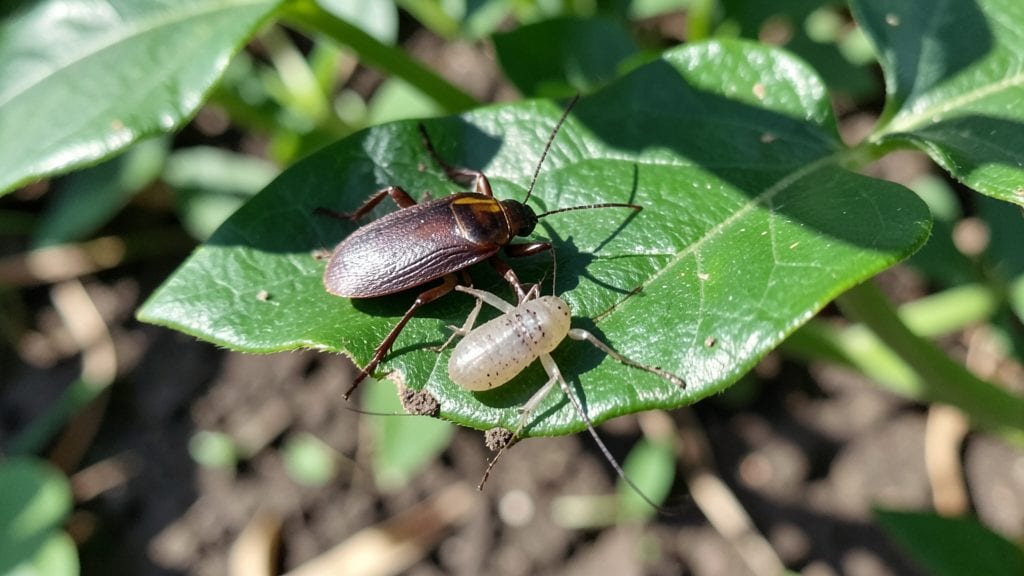
Chemical-free barriers work better than you think when roaches invade your garden. 🌿 I’ve chased these pests out of my yard using simple, non-toxic tricks that actually keep them away—no sprays or traps needed.
The key is cutting off their food, water, and shelter sources while making your garden less appealing.
Roaches show up when gardens get too damp, have piles of debris, or lack proper airflow. My biggest breakthrough? A mix of dry mulch borders, neem oil sprays, and sealed compost bins—these three changes cut their numbers by 90% in two weeks.
You won’t need fancy tools, just a few household items and smart placement.
What you’ll end up with is a garden where roaches think twice before stepping in. The foliage stays crisp, the soil stays dry enough to deter them, and your plants grow without unwanted visitors. Best part? These methods work year-round, not just during peak pest season.
Works for vegetable beds, flower borders, and even patios. Let’s make your garden a no-go zone for roaches—without the harsh chemicals. Here’s how to set up the barriers that actually push them out for good.
Root Causes Of Garden Invaders
If your garden is suddenly hosting an uninvited roach party, understanding the why behind their arrival is half the battle. These pests aren’t just random visitors—they’re drawn by specific conditions in your outdoor space.
Below, we break down the science-backed reasons roaches take up residence in your garden, so you can address the root of the problem with targeted, chemical-free solutions.
Roaches thrive in humid environments because their exoskeletons require moisture to stay flexible. If your garden has:
- Poor drainage: Compacted soil or clay-heavy ground traps water after rain, creating a damp microclimate.
- Overwatered plants: Drip irrigation, soggy mulch, or watering late in the day can leave standing water near roots.
- Decaying organic matter: Piles of leaves, compost heaps, or rotting wood provide both shelter and hydration.
Actionable fix: Improve drainage with gravel or sand mixes, water in the morning, and keep mulch at least 2 inches away from plant stems. 💡 Pro tip: Use a moisture meter to check soil hydration—roaches avoid soil drier than 30%.
Roaches are opportunistic scavengers, and your garden might be an all-you-can-eat buffet. Common culprits include:
| Food Type | Examples | Why It Attracts Roaches |
|---|---|---|
| Fermenting matter | Overripe fruit, fallen citrus, or fermenting mulch | Sugars and alcohols in decaying organic material trigger their feeding instincts. |
| Protein-rich debris | Pet food left outdoors, dead insects, or compost with meat scraps | Roaches need protein to survive, and they’ll travel up to 100 feet for it. |
| Starchy residues | Crushed plant stems, fallen grains (like corn), or spilled birdseed | Carbohydrates provide quick energy, making them a primary target. |
Actionable fix: Clear fallen fruit daily, store pet food in sealed containers, and compost only plant-based waste. 🔥 Warning: Avoid using wood chips from treated lumber—the chemicals can attract roaches long-term.
Roaches seek dark, sheltered spaces with easy access to food and water. In gardens, this often means:
- Gaps in structures: Cracks in fences, gaps under deck boards, or loose siding provide entry.
- Dense plantings: Thick ivy, tall grasses, or untrimmed shrubs create hidden nesting spots.
- Outdoor storage: Piles of firewood, stacked pots, or unsealed tool sheds offer ideal hiding spots.
Actionable fix:
- 👨🍳 Seal entry points: Use copper mesh or silicone caulk to block cracks (roaches hate copper’s texture).
- 🌿 Prune strategically: Keep plants at least 12 inches away from structures to disrupt pathways.
- ⏰ Declutter regularly: Store firewood elevated and covered, and keep tools in sealed bins.
Roaches are more active during warm, humid seasons (spring to fall), but environmental shifts can also trigger infestations:
- Sudden temperature drops: Cool nights force roaches to seek warmth near foundations or under mulch.
- Heavy rainfall: Flooding washes them out of sewers or basements, sending them scrambling for dry shelter.
- Drought stress in plants: Stressed plants release volatile organic compounds (VOCs), which can attract roaches searching for moisture.
Actionable fix: Monitor weather forecasts and pre-treat high-risk areas (like under eaves or near downspouts) before storms. 🌡️ Pro tip: Install a soil moisture sensor to predict damp conditions before roaches do.
Natural Ways to Kick Out Garden Invaders
Discovering unwanted critters like roaches in your garden can feel like a nightmare—especially when you’re aiming for a chemical-free solution. The good news? With the right strategies, you can reclaim your outdoor space without harsh pesticides.
Below, we’ve mapped out practical fixes based on the most common causes of roach infestations, along with prevention tips to keep them from returning.
Roaches thrive in damp, cluttered areas where they can hide and breed. If your garden has standing water, decaying organic matter, or dense mulch, it’s an all-you-can-eat buffet for them.
💡 Step 1: Dry Up Their Hideouts
- Remove standing water 💦: Fix leaky hoses, clogged gutters, or low-lying areas where water pools. Roaches need moisture to survive—deprive them of it!
- Clear leaf litter & mulch 🍂: Pile up fallen leaves, grass clippings, and thick mulch in sealed compost bins (not loose piles). Aim for 2–3 inches of mulch max—any deeper, and it becomes a roach hotel.
- Improve drainage 🌧️: Rake soil to create gentle slopes away from plant bases, and consider adding gravel or sand in problem areas.
🌡️ Pro Tip:
Use diatomaceous earth (DE)—a fine powder made from fossilized algae—as a natural desiccant. Sprinkle it lightly around entry points (like under pots or near cracks) to dehydrate roaches. Reapply after rain since it loses effectiveness when wet.
Roaches slip into gardens through tiny gaps—think cracks in pots, gaps under doors, or even loose bark mulch. Sealing these off is your first line of defense.
🔪 Step 2: Seal the Gaps
- Inspect containers 🏺: Check for cracks in terracotta pots, wooden planters, or storage bins. Seal gaps with silicone caulk or copper mesh (roaches hate the metal).
- Door sweeps & weather stripping 🚪: Install door sweeps on sheds or garage doors to block crawl spaces. For larger gaps, use foam sealant or adhesive copper tape.
- Cover vents & drains 🚿: Use fine mesh screens (like hardware cloth) over drain spouts, vent pipes, and compost bins.
✨ Pro Tip:
Roaches detest essential oils like peppermint, eucalyptus, and tea tree oil. Mix 10–15 drops with 1 cup of water in a spray bottle and apply to entry points. Reapply every 2–3 days or after rain.
If roaches are already nesting, you’ll need to lure them out and remove them without harming your plants or ecosystem.
🕷️ Step 3: Set Up Humane Traps
- Sticky traps (borax-free) 🕸️: Place yellow sticky traps near walls, under decks, or along fences. Roaches are attracted to the color and get stuck.
- DIY beer traps 🍺: Bury a small container (like a plastic cup) filled with beer up to the rim. Roaches crawl in but can’t climb out. Check daily and dispose of them far from your garden.
- Vacuum them up 🪟: For visible roaches, use a shop vac with a fine mesh bag to suck them up. Empty the bag outside, far from your home.
💡 Pro Tip:
Roaches follow food scents, so keep your garden clean and tidy:
- Store firewood at least 20 feet away from your house and elevated off the ground.
- Avoid over-fertilizing—excess organic matter (like banana peels or citrus rinds) attracts them.
- Pick up fallen fruit daily, especially from trees like citrus or figs.
The key to keeping roaches away? Make your garden unappealing to them. Think of it like a five-star pest-proofing strategy.
🌿 Step 4: Plant Roach-Repelling Companions
Certain plants naturally deter roaches with their strong scents. Add these to your garden:
| Plant | Why It Works |
|---|---|
| Lavender | Roaches hate its citrusy, floral scent. |
| Mint | Overpowering aroma masks food smells. |
| Basil | Contains compounds that repel insects. |
| Marigolds | Strong scent disrupts roach pheromones. |
| Lemongrass | Citral oil in leaves is toxic to roaches. |
🔥 Pro Tip:
Rotate your repellent methods every few weeks to prevent roaches from adapting. For example, alternate between DE, essential oil sprays, and companion planting to keep them guessing.
With these targeted, chemical-free solutions, you can turn your garden back into a roach-free sanctuary. The secret? Stay proactive—address moisture, block entry points, and keep your space clean. Your plants (and your sanity) will thank you!
Frequently asked questions
Why do roaches suddenly appear in my garden after rain?
Heavy rainfall forces roaches out of their usual hiding spots like basements or sewers. They seek shelter in damp garden areas, especially under mulch or dense plantings. The extra moisture also makes your soil more appealing to them. After storms, check for standing water and reduce mulch depth to 2-3 inches to discourage them.
Will diatomaceous earth harm my plants if I use it around the garden?
Food-grade diatomaceous earth (DE) is safe for plants when used correctly. Just avoid applying it directly to leaves or flowers, as it can irritate delicate foliage. Sprinkle it lightly around plant bases and entry points, and always use food-safe DE (not pool-grade). Reapply after rain since water washes it away.
How do I tell if roaches are nesting in my garden versus just passing through?
Look for signs like shed skins, tiny egg cases (oothecae), or droppings near plant bases or mulch. If you see these, they're nesting. Passing roaches will leave fewer traces and move quickly. Check under pots, in compost piles, and along foundation cracks during dawn/dusk when they're most active.
Can I use coffee grounds to repel roaches in my garden?
Coffee grounds create a natural barrier roaches dislike. Sprinkle them around plant edges, garden borders, and entry points. The strong scent masks food odors and disrupts their trails. For best results, refresh the grounds every 3-4 days or after rain, as they break down quickly.
What's the fastest way to check if my garden has a roach problem?
Set out a few yellow sticky traps near high-risk areas (under decks, along fences) for 24 hours. If you catch more than 2-3 roaches, you likely have an issue. For a quicker test, shine a flashlight at night—roaches will scatter if they're present. Dawn and dusk are their most active times.