Pests
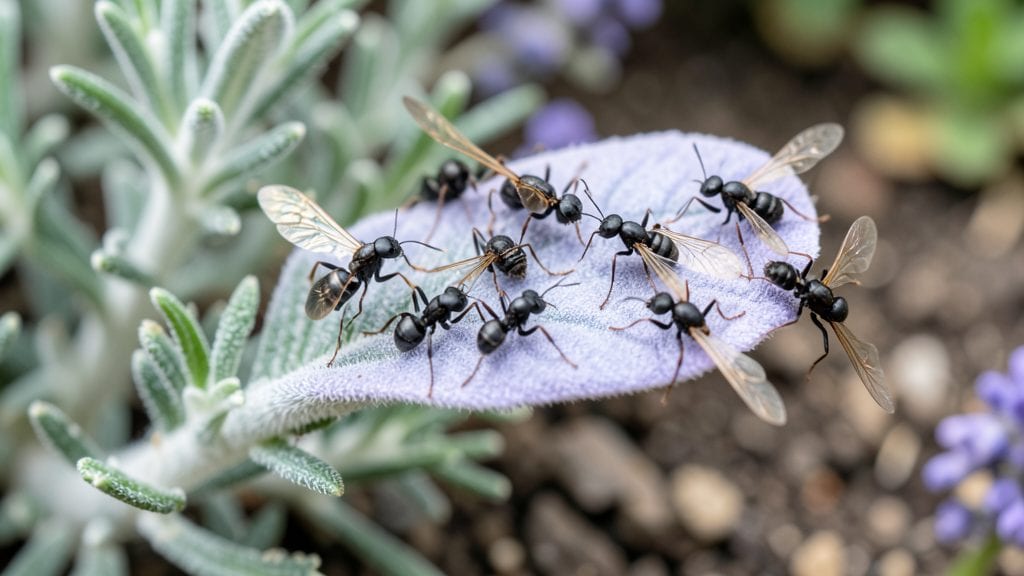
Flying ants swarming your garden isn’t just annoying—it’s a sign your plants are under siege. 🌿 I’ve battled these tiny invaders for years, and I’ve learned the best way to stop them isn’t with harsh chemicals but with smart, natural barriers that work without harming your yard.
The key is understanding their behavior and cutting off their access before they become a problem.
These ants don’t just appear out of nowhere—they’re drawn to moisture, decaying wood, and sweet plant sap. My first breakthrough came when I realized sealing entry points and disrupting their trails made all the difference.
You don’t need fancy tools or expensive sprays; a few simple, low-cost strategies can keep them out for good. Think of it like fortifying your garden’s defenses—once you know their weak spots, they stand no chance.
By the end of this, you’ll have a garden that’s off-limits to flying ants without sacrificing beauty or health. Picture lush foliage thriving undisturbed, with no sudden swarms ruining your outdoor time.
The best part? These methods work for weeks, not just days, and they’re safe for kids and pets too. Let’s get your garden back to its full potential.
Whether you’re dealing with a sudden invasion or just want to prevent future problems, these natural barriers adapt to any yard size or plant type. From simple DIY sprays to strategic landscaping tweaks, you’ll have everything you need to keep your garden flying-ant-free.
No more panicked swatting—just peace of mind and healthy plants.
Nature’s Annual Swarm Explained
Those sudden waves of winged ants taking over your garden aren’t just a random nuisance—they’re a biological event tied to the ants’ life cycle. Understanding why these swarms happen is the first step to managing them effectively.
Below, we break down the science behind the spectacle, so you can prepare (or at least stop panicking) when they arrive.
Flying ants (often Lasius niger or Monomorium pharaonis species) time their swarms with weather patterns, not just random whims. Here’s how temperature plays a role:
- Warm, humid conditions (typically 60–80°F / 15–27°C) signal to ants that it’s time to reproduce. These conditions soften the soil, making it easier for new queens to dig nests.
- Rainfall before the swarm triggers moisture-sensitive pheromones, which act like a countdown timer for the colony. A single heavy rain can kickstart the event within 24–48 hours.
- Daylight hours matter too—swarms peak on warm, sunny afternoons (usually 11 AM–4 PM), when air is stable and winds are calm. This helps wings stay intact during flight.
Actionable tip: Monitor your local weather forecasts for unseasonably warm spells or sudden humidity spikes—these are your warning signs. 🌦️
Not all ants fly—only reproductive adults (kings and queens) take to the skies. Here’s why colonies must release them:
- Genetic diversity survival tactic: Ant colonies are clones of a single queen. To avoid inbreeding, they send out new queens and males to mate with ants from other colonies.
- Founding new nests: After mating, female alates (virgin queens) shed their wings, burrow into soil, and start queen cells—each future colony begins with just one fertilized egg.
- Colony “reset” button: Releasing flying ants reduces overcrowding in established nests, preventing resource competition (like food and space) among workers.
Fun fact: A single colony can produce thousands of flying ants in one day—imagine the chaos if they all tried to nest in your garden! 🏡➡️🐜
Your garden isn’t just a random stopping point—it’s a highly attractive location for flying ants. Here’s why:
| Factor | Why It Attracts Them |
|---|---|
| Moist, loose soil | Easy digging for queens to establish nests (think mulch piles, compost heaps, or freshly tilled beds). |
| Shade + humidity | Protected areas (under decks, dense shrubs) mimic their natural forest-floor habitats. |
| Food sources | Sugary plants (e.g., aphid honeydew on roses), pet food, or fallen fruit act as magnets. |
| Structural nooks | Cracks in patios, gaps in fences, or hollow tree stumps provide pre-built shelter. |
Pro tip: Flying ants won’t stay long—they’re only looking for mates or nesting spots. But if you’ve got ideal conditions, they’ll linger longer. Audit your garden’s “ant appeal” now to remove temptations before swarm season. 🔍
Now that you know why these winged invaders show up, the next step is learning how to deter them—without harming the ecosystem. Stay tuned! 🌿🚫🐜
Quick Fixes for Flying Ant Swarms
Flying ants in your garden can feel like an unexpected invasion, but don’t panic—there are effective, natural ways to tackle them without harsh chemicals. Below, we’ve mapped out practical solutions based on the most common causes of these winged visitors, along with prevention tips to keep them from returning.
Flying ants often swarm near damp wood, rotting logs, or compost piles because these spots attract their larvae.
How to Fix It:
- 🔨 Remove decaying wood or mulch—Inspect your garden for old stumps, fallen branches, or soggy logs. Replace them with dry, treated wood or cedar (ants dislike its natural oils).
- 💦 Reduce standing water—Fix leaky hoses, clogged gutters, or poorly drained areas. Ants love moisture, so keep soil well-aerated with a layer of gravel or sand.
- 🌿 Adjust compost piles—Turn compost frequently to prevent heat and moisture buildup, which can attract ants. Add diatomaceous earth (food-grade) to deter them naturally.
💡 Prevention Tip: > Place a shallow tray of vinegar near problem areas—ants avoid the smell, and it evaporates harmlessly.
Sweet nectar, protein-rich insects, or even pet food can lure flying ants into your garden.
How to Fix It:
- 🚫 Clean up spills immediately—Sugar-rich fruits (like overripe berries or fallen peaches) are a magnet. Pick up fallen fruit and store ripe produce indoors.
- 🐕 Secure pet food—Leave pet bowls empty after meals or elevate them to avoid attracting ants. Use ant-proof containers for birdseed or fertilizer.
- 🌿 Plant ant-repelling herbs—Basil, mint, and lavender confuse their scent trails. Plant them near entry points (like patios or garden edges).
💡 Prevention Tip: > Sprinkle crushed bay leaves or citrus peels around the garden perimeter—ants dislike these strong scents.
Flying ants emerge in nuptial swarms (their mating season) but may nest in soil, potted plants, or wall cracks.
How to Fix It:
- 🔍 Locate the nest—Watch where swarms take off and land. Dig 6–12 inches deep in that spot (they nest underground).
- 💦 Flood the nest (temporarily)—For small colonies, pour boiling water directly into the hole or soak the area with soapy water (1 tbsp dish soap per gallon). This drowns larvae without chemicals.
- 🌱 Use beneficial nematodes—Microscopic Steinernema carpocapsae nematodes (available online) kill ant larvae naturally. Apply to moist soil in the evening.
⚠️ Warning: Avoid ant baits with poison—they can harm pets, kids, and beneficial insects like bees.
Flying ants swarm once a year (usually after rain) to mate. They’re not harmful but can be annoying.
How to Fix It:
- 🌧️ Time your outdoor activities—Swarm around dusk or after rain. Work or dine indoors during peak swarm times (check local pest reports).
- 🕯️ Use fans or lights—Flying ants avoid strong airflow (place a fan near doors/windows) or bright lights (they’re attracted to dark corners).
- 🧹 Vacuum them up—If they land inside, sweep or vacuum them immediately. Do not crush them—it releases pheromones that attract more.
💡 Prevention Tip: > Install fine mesh screens on windows and vents to block entry without trapping them outside.
Once you’ve addressed the immediate swarm, reinforce your garden’s defenses to prevent future visits:
| Problem | Solution | Prevention Tool |
|---|---|---|
| Damp soil | Improve drainage | Gravel or sand layers |
| Decaying organic matter | Remove compost/wood piles | Regularly turn compost |
| Sweet debris | Clean up fallen fruit | Citrus peels or vinegar traps |
| Nesting sites | Seal cracks in walls/fences | Silica gel or caulk |
| Attracting insects | Reduce aphids/mealworms | Neem oil spray |
Final Thought: Flying ants are a natural part of the ecosystem, but with these targeted fixes, you can minimize their impact while keeping your garden thriving. Act fast during swarms, but focus on prevention for long-term peace.
(Need a deeper dive? Check out our [DIY Ant Barrier Guide] for step-by-step garden fortification!)
Frequently asked questions
Are flying ants harmful to my garden plants?
No, flying ants themselves don't damage plants directly—but their presence often signals bigger problems. They're drawn to decaying wood, moisture, and aphid honeydew (which they "farm" for food). The real risk comes from their nests attracting other pests or from queens burrowing near plant roots. Focus on removing their food sources and sealing entry points to prevent long-term issues.
How long do flying ant swarms last in a garden?
Most swarms only last 24–72 hours as they're mating events. However, if you spot them repeatedly, it means queens are establishing new nests nearby. The key is to act fast—remove standing water, seal cracks, and eliminate food sources within 48 hours of the first sighting to prevent colony formation.
Can I use vinegar as a natural flying ant repellent?
Yes! Mix equal parts white vinegar and water in a spray bottle and apply it to entry points, plant stems, and soil surfaces. The strong smell disrupts their scent trails. For best results, reapply after rain or every 3–4 days during swarm season. Avoid spraying on flowers as it may harm beneficial pollinators.
Why do flying ants swarm after rain?
Rain triggers their mating cycle by creating ideal conditions: 60–80°F temperatures and high humidity soften soil for queens to nest. The moisture also activates pheromones that signal the colony to release winged adults. This is nature's way of ensuring new colonies establish before dry seasons—so timing your garden maintenance after storms can help prevent invasions.
Will diatomaceous earth work for flying ants?
Only food-grade diatomaceous earth works, and it targets crawling ants—not flying ones. Sprinkle a thin layer around garden edges, patios, and plant bases where workers might land. It dehydrates ants by damaging their exoskeletons. For flying ants, combine it with other barriers like citrus peels or fans to create a multi-layer defense system.