Pests
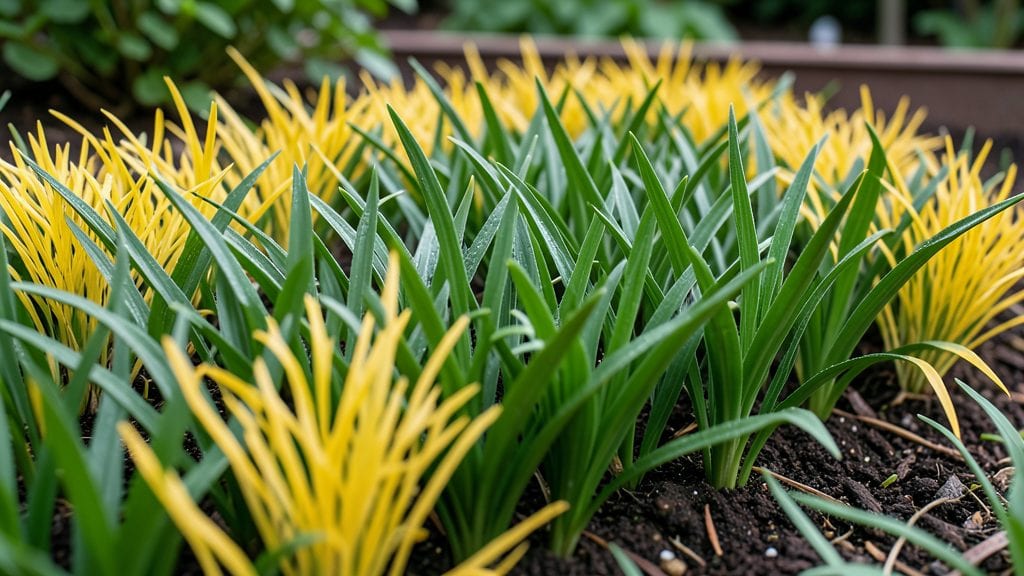
A squirrel prevention garden isn't about chasing them away—it's about making your yard less appealing than the neighbor's. I've lost entire harvests to these bushy-tailed bandits until I learned their tricks: physical barriers that confuse them, plants they can't stand, and simple tricks that send them packing without harm.
The key is combining multiple strategies so they give up and move on.
Most people fail because they rely on just one method—like a motion-activated sprinkler or a single repellent. I use a mix of chicken wire wrapped around raised beds, deterrent plants like daffodils and alliums, and pruning sheared branches to block access.
Even my black thumb can't mess this up—squirrels hate the combination of frustration and unfamiliar smells. The best part? Your garden stays productive while they go hungry elsewhere.
Within a few weeks, you'll notice fewer dig sites and more birds at your feeders. The squirrels won't disappear forever, but they'll learn your yard isn't worth the trouble. Plus, the plants you choose for deterrence often add beauty and fragrance to your space.
Think of it as a win-win: you get your veggies back, and they get the message.
Seasonal tweaks matter—spring means more active digging, while winter requires different barrier adjustments. I'll show you how to adapt these methods year-round so you're always one step ahead. No more waking up to overturned soil or stolen seeds!
What Draws Squirrels In
Squirrels don’t just wander into your garden randomly—they’re drawn by a mix of instinct, food, and shelter. Understanding these triggers is the first step to creating an effective squirrel prevention garden. Let’s break down the science behind why these bushy-tailed intruders show up uninvited.
Squirrels are omnivorous opportunists, meaning they’ll eat almost anything—especially if it’s easy to find.
Their natural diet includes: - Nuts and seeds (acorns, walnuts, sunflower seeds) – A single squirrel can bury up to 12,000 acorns per year for winter stashes. - Fruits and vegetables (tomatoes, berries, corn) – Sweet, juicy produce is irresistible. - Birdseed – Even if you don’t feed birds, stray seeds from feeders or fallen from trees attract squirrels. - Young plants and bark – In spring, squirrels gnaw on tender shoots for nutrients.
Why it matters: If your garden has easy-access food sources, squirrels will treat it like an all-you-can-eat buffet. They’re also hoarders, so even a single buried nut can lead to repeated visits.
Squirrels need safe hiding spots to avoid predators (like hawks or domestic cats) and raise their young.
Common garden features that attract them: - Tree cavities – Hollow trees or weak branches provide perfect nesting sites. - Dense shrubs or thick ground cover – Bushy areas let them move undetected. - Attics, sheds, or under decks – If your home has gaps, squirrels will move in for winter. - Rock piles or wood stacks – These mimic natural burrows.
Why it matters: A squirrel’s survival depends on security. If your garden offers cover + food, it becomes a prime real estate target.
Squirrels are highly adaptable and learn from their environment.
Factors that increase their presence: - Open spaces with few barriers – Without fences or natural obstacles, they’ll roam freely. - Water sources – Birdbaths, puddles, or dripping hoses provide hydration and a place to cool off. - Human food waste – Uneaten fruit, fallen pet food, or compost piles signal an easy meal. - Lack of predators – If cats, owls, or foxes aren’t around, squirrels feel bolder.
Why it matters: Squirrels observe patterns. If they see no threats and plenty of rewards, they’ll keep returning—sometimes in large family groups.
Squirrels don’t just raid gardens year-round—their behavior shifts with seasons:
| Season | Squirrel Behavior | Garden Risk |
|---|---|---|
| Spring | Eating bark, digging for bulbs, nesting | New plantings get uprooted or chewed. |
| Summer | Stashing food for winter, drinking water | Fruits and veggies disappear overnight. |
| Fall | Hyper-foraging (burying nuts, raiding crops) | Gardens become a nut storage unit. |
| Winter | Relying on cached food, seeking shelter | They’ll dig up buried stashes in your yard! |
Why it matters: Fall is peak squirrel season—they’re preparing for winter and will overwhelm gardens if unchecked.
Squirrels have excellent memories and problem-solving skills. If they find: ✅ A weak fence → They’ll jump or squeeze through. ✅ An unsecured trash can → They’ll raid it daily. ✅ A bird feeder they can reach → They’ll modify their jumping technique to access it.
Why it matters: Once a squirrel figures out how to exploit your garden, they’ll teach other squirrels—turning a small problem into a full-blown invasion.
Squirrels invade gardens because they’re drawn by food, shelter, and safety. The good news? Removing these incentives is the most effective way to deter them naturally.
In the next section, we’ll explore physical and ecological barriers to make your garden less appealing—without harming these clever (but pesky) critters.
Quick Fixes for Squirrel-Proofing Your Garden
Squirrels are clever, persistent, and determined to turn your garden into their personal snack bar. But don’t worry—with the right strategies, you can outsmart them and protect your plants, bulbs, and hard work.
Below, we break down common squirrel invasion triggers and match them with practical, nature-friendly solutions to keep these bushy-tailed bandits at bay.
Cause: Squirrels love digging up newly planted bulbs (especially tulips, daffodils, and crocuses) to eat them or bury them for later.
Fix It:
- 🔥 Use Wire Cages or Chicken Wire: Before planting, wrap bulbs in hardware cloth (1/4-inch mesh) or a wire cage. Secure it tightly—squirrels can’t chew through it!
- 🍳 Plant in Containers: Move high-value bulbs to above-ground pots or hanging baskets where squirrels can’t reach.
- 👨🍳 Scatter Fake Bulbs: Bury plastic bulbs (available at garden stores) around your garden to distract squirrels from the real ones.
💡 Pro Tip: If squirrels are already digging, cover the area with mulch (like pine straw) to deter them from returning.
Cause: Squirrels nibble on leaves, bark, and even young tree saplings for food or nesting material.
Fix It:
- 🥘 Spray with Hot Pepper Solution: Mix 1 tbsp cayenne pepper + 1 tsp dish soap + 1 quart water, then spray on plants. Squirrels hate the spicy scent!
- ⏰ Use Tree Guards: Wrap plastic tree guards around young trees to protect bark from gnawing.
- 🔪 Prune Strategically: If squirrels are targeting specific plants, trim them back so they’re less accessible.
🌡️ Pro Tip: Citrus or garlic sprays also work—squirrels avoid strong smells!
Cause: Squirrels raid bird feeders, nut stores, and even pet food left outside.
Fix It:
- 🎯 Use Squirrel-Proof Feeders: Opt for weight-activated or baffled feeders that only allow birds access.
- 🔪 Store Nuts Indoors: Keep acorns, walnuts, and other squirrel favorites in metal bins with tight lids.
- 🌟 Hang Feeders High & Far: Place feeders at least 10 feet from trees and use a pole mount with a baffle.
✨ Pro Tip: Motion-activated sprinklers (like ScareCrow) can startle squirrels away from feeders.
Cause: Squirrels chew through vents, sheds, and even compost piles to build nests.
Fix It:
- 🔧 Seal Entry Points: Check for gaps in sheds, decks, or compost bins and fill them with steel wool or caulk.
- 🌿 Remove Attractants: Keep pet food, fallen nuts, and birdseed secured—these lure squirrels to nest nearby.
- 🚫 Use Ultrasound Devices: Plug-in squirrel repellents (like the Neatmaster) emit high-frequency sounds that deter them.
💡 Pro Tip: Pine cones or cedar mulch around structures can make them less appealing for nesting.
Once you’ve addressed the immediate issues, reinforce your defenses to keep squirrels out for good:
- 🌱 Plant Squirrel-Resistant Plants: Opt for lavender, rosemary, marigolds, or daffodils (squirrels dislike their scent).
- 🌳 Create a Squirrel Buffer Zone: Plant thorny bushes (like barberry or holly) around the perimeter of your garden.
- 🕵️ Monitor & Adjust: Check for new digging spots or chewed plants weekly and reinforce weak points.
Final Thought: Squirrels are smart, but you’re smarter with the right tools! Combine physical barriers, strong scents, and smart storage to make your garden a no-go zone for these pesky critters. 🚫🐿️💪
Frequently asked questions about squirrel-proofing gardens
What are the most effective squirrel-deterrent plants?
Squirrels dislike strong scents and textures. Daffodils, alliums, lavender, and rosemary work best because their fragrance repels them. Marigolds also help—plant them near vulnerable areas like vegetable patches or bulb beds. Even thorny bushes like barberry create natural barriers they avoid.
How do I keep squirrels from digging up my bulbs?
Use hardware cloth (¼-inch mesh) wrapped around bulbs before planting, or place them in above-ground containers. For existing gardens, scatter plastic bulbs (available at garden centers) to confuse them. Mulch heavily with pine straw—squirrels hate digging through it!
Can I use motion-activated sprinklers for squirrel control?
Yes! Devices like ScareCrow spray a sudden burst of water when they detect movement. Place them near bird feeders, compost piles, or entry points. Squirrels learn quickly to avoid the area. For best results, combine with other methods like spicy pepper sprays or ultrasound repellents.
Why do squirrels ignore some gardens but raid others?
Squirrels target gardens with easy access to food and shelter. If your neighbor’s yard has unsecured trash cans, birdseed, or weak fences, they’ll focus there first. A squirrel prevention garden removes these incentives by using barriers, scent deterrents, and smart storage.
Are squirrel-proof bird feeders worth the investment?
Weight-activated or baffled feeders (like those from Squirrel Buster) block squirrels while letting birds eat. Place feeders 10+ feet from trees and use pole mounts with baffles to prevent jumping. This saves money on wasted seed and frustration!