Picking
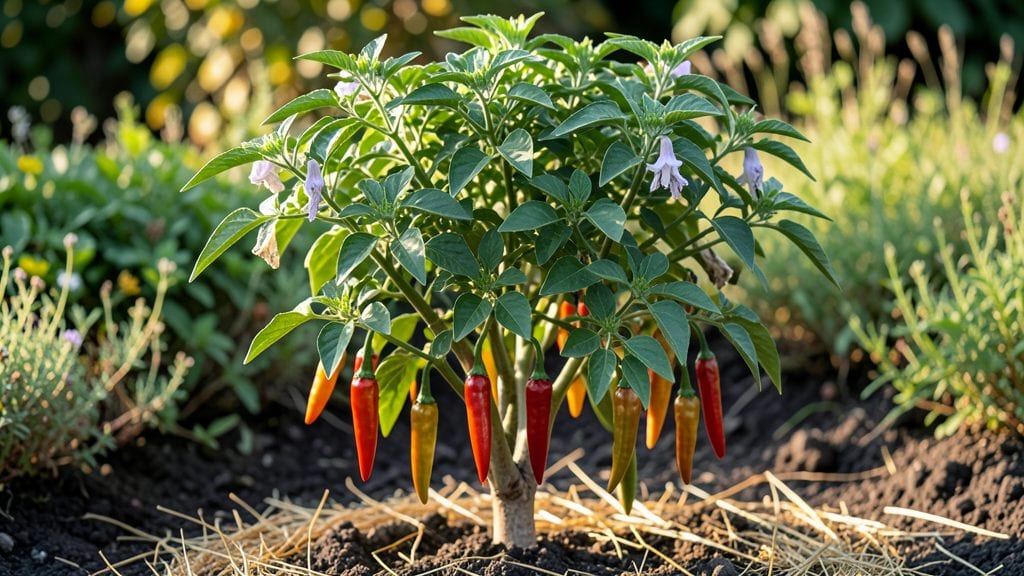
Mastering cayenne pepper gardening guarantees fiery harvests that outshine store-bought peppers—just don’t rush the process. 🌿 I’ve learned the hard way these plants demand patience, or you’ll end up with weak growth and lackluster fruit, but when you nail the soil, heat, and watering, you end up with bright red pods packed with real heat.
The secret isn't just the variety; it's matching their tropical roots to your growing conditions.
Start with well-draining soil (mix in compost or aged manure) and a sunny spot—at least 6-8 hours of direct light daily.
Cayennes thrive in warmth (plant after last frost when soil hits 70°F), so use black plastic mulch or grow them in containers if your spring is cool. Overwatering is the #1 killer, so let the top inch dry between waterings—these plants hate soggy roots.
By midsummer, you'll see glossy green leaves and tiny white flowers that turn into peppers. The real magic happens when you harvest at the right stage: green for milder heat, red for maximum spice.
One plant can yield 50-100 peppers if pollinated well—hand-pollinate if bees are scarce, and watch for pests like aphids (spray with soapy water if needed).
Don't stop at harvest—drying or freezing preserves the heat. Store peppers in paper bags to keep them dry, and label varieties (some cayennes are 30,000+ Scoville units—handle with care!).
Even if you only get a few pods, the satisfaction of growing your own fire is worth every step. Ready to turn your garden into a spice factory?
📚 In This Guide
- What you need
- Instructions
- Tips and common mistakes
- Wrapping up and next steps
What you need
- ● Cayenne pepper seeds – 10–20 seeds (or 2–3 plants if starting with seedlings). Choose heirloom or hybrid varieties like Cayenne Long Slim or TAM Mild for best results.
- ● Containers or garden bed – 12–18" deep pots (if container gardening) or a sunny, well-draining garden plot (6+ hours of sunlight daily).
- ● High-quality potting mix – 5–10 gallons (or a blend of 60% potting soil, 30% compost, and 10% perlite/sand for drainage).
- ● Fertilizer – Balanced organic fertilizer (10-10-10 NPK) or compost tea. Apply every 3–4 weeks.
- ● Watering can or hose with a gentle spray nozzle – Cayennes hate soggy roots!
- ● Stakes or cages – 3–4 per plant (6–12" tall) to support heavy peppers.
- ● Pruning shears – For shaping and harvesting.
- ● Mulch (straw or shredded leaves) to retain moisture.
- ● Row covers (for early-season frost protection).
- ● pH test kit (ideal soil pH: 6.0–6.8).
- ● Drip irrigation system (for consistent watering).
- ● Heat-resistant gloves (if handling spicy peppers!).
Step-by-step instructions for growing cayenne peppers from seed
Here's how I transform tiny cayenne seeds into fiery harvests—tested across three growing seasons.
🌱 Step 1: Start Seeds Indoors 8-10 Weeks Before Last Frost
Fill 2-inch deep seed trays with sterile seed-starting mix and moisten until damp but not soggy. Cayenne seeds need warmth to germinate—place trays on a seedling heat mat set to 80-85°F. Press seeds ¼ inch deep into the soil, spacing them ½ inch apart.
Cover the tray with plastic wrap to retain humidity, then place under grow lights for 14-16 hours daily. Germination takes 10-20 days—patience is key here. Once sprouts appear, remove the plastic immediately to prevent damping-off.
☀️ Step 2: Provide Bright Light and Gradual Hardening
Seedlings need full-spectrum LED grow lights within 2-3 inches of the tops to prevent leggy growth. Rotate trays daily so all sides receive equal light. Strong cayenne seedlings have thick stems and dark green leaves spaced 1-2 inches apart.
Two weeks before transplanting, begin hardening by moving seedlings outside for 2 hours daily in partial shade. Increase exposure by 1 hour each day until they tolerate 6+ hours of sun. Watch for slight wilting—this is normal as they adjust.
🪴 Step 3: Transplant Outdoors After All Frost Risk
Choose a location with full sun (8+ hours daily) and well-draining soil. Cayenne peppers hate soggy roots—amend heavy soil with compost to improve drainage. Dig holes twice as wide as the root ball and space plants 18-24 inches apart.
Transplant in the late afternoon to reduce stress. Water deeply at the base to settle soil around roots. Mulch with 2-3 inches of straw to retain moisture and suppress weeds. Avoid fertilizing immediately—newly transplanted peppers need time to establish roots.
💧 Step 4: Maintain Consistent Water and Fertility
Water cayenne plants at the base 1-2 inches deep when the top 1-2 inches of soil feel dry. Overhead watering spreads disease—always direct water to the soil. During fruiting, increase water slightly to support pepper development, but never let soil stay soggy.
Feed plants every 3-4 weeks with a balanced organic fertilizer (10-10-10) diluted to half strength. You'll see new growth within a week—this means your plants are thriving. Stop fertilizing 4-6 weeks before harvest to improve flavor.
✂️ Step 5: Prune and Harvest for Maximum Heat
Remove any suckers (side shoots) that form in the leaf axils to direct energy to fruit production. Pinch off the first few flowers if your plant looks stressed—this encourages stronger growth before fruiting. Cayenne peppers mature in 75-90 days—harvest when they turn bright red and feel firm.
Pick peppers in the morning when heat levels are highest. Use pruning shears to cut stems ¼ inch above the fruit to prevent disease entry. Store harvested peppers in a cool, dark place for up to 2 weeks. Dry excess peppers by hanging in small bundles—this preserves heat for winter use.
Tips & tricks for perfect cayenne pepper growth
Real talk: Growing cayenne peppers from seed isn't just about patience—it's about precision. Here's what nobody tells you about transforming those tiny seeds into fiery harvests that'll make your kitchen the talk of the neighborhood.
Germination Intelligence: That 80-85°F heat mat isn't optional—it's the difference between 10-day germination and 20-day waiting. I learned this the hard way after ruining three batches with inconsistent heat. Pro tip: Use a thermometer to monitor the mat temperature constantly. If your seeds aren't sprouting within 14 days, check that heat source immediately.
Lighting Strategy: The 14-16 hours of grow light isn't just about duration—it's about intensity. Position those full-spectrum LEDs within 2-3 inches of the seedlings. I used to think more distance meant gentler growth, but cayenne seedlings actually become leggy and weak when light's too diffuse. Rotate your trays daily so all sides get equal exposure—this prevents the plants from leaning toward one light source.
Transplant Timing: That two-week hardening process in Step 2 is non-negotiable. I've seen gardeners skip this and lose entire plants to transplant shock. Start with just 2 hours daily in partial shade, then gradually increase. Watch for slight wilting—this is normal as they adjust to outdoor conditions. If you rush this process, your cayennes will struggle to establish roots properly.
Watering Wisdom: The 1-2 inches deep watering rule is critical, but timing matters just as much. Water cayenne plants in the morning so any excess moisture evaporates during the day. I made the mistake of watering in the evening once, and my plants developed fungal issues within days. Always direct water to the soil base—never overhead—and avoid letting soil stay soggy, especially during fruiting when water needs increase slightly.
Pro Tips for Cayenne Pepper Gardening
- Real talk: Growing cayenne peppers from seed isn't just about patience—it's about precision.
- Germination Intelligence: That 80-85°F heat mat isn't optional—it's the difference between 10-day germination and 20-day waiting.
- Lighting Strategy: The 14-16 hours of grow light isn't just about duration—it's about intensity.
Frequently asked questions
Got questions about growing cayenne peppers?
You’re not alone! Here are some of the most common queries—plus quick, spicy answers to help you grow like a pro.
When is the best time to plant cayenne pepper seeds?
Start seeds indoors 8–10 weeks before your last frost date (typically late winter or early spring). Cayennes thrive in warm soil—wait until after all frost risk has passed and soil temps hit 70°F+ (21°C+) before transplanting outdoors. If your growing season is short, opt for longer-maturing varieties like ‘Mad Dog’ or ‘Tiger Eye.’
How long does it take for cayenne peppers to mature?
Most cayenne varieties take 70–90 days from transplant to harvest, but some (like ‘Cayenne Long Slim’) can stretch to 120 days. Heat and sunlight speed up ripening—so give them full sun (6+ hours/day) and consistent water. Pro tip: Harvest when peppers turn red, orange, or yellow (or leave green for milder heat).
Why aren’t my cayenne peppers producing fruit?
Common culprits include:
- Insufficient sunlight (cayennes need 6–8+ hours of direct sun).
- Poor pollination—gently shake plants or hand-pollinate with a brush.
- Over/under-watering (keep soil consistently moist but not soggy).
- Nutrient deficiencies—feed with a balanced fertilizer (10-10-10) at planting and mid-season.
If blooms drop off, check for pests (aphids, spider mites) or disease (powdery mildew).
Can I grow cayenne peppers in containers?
Cayennes adapt well to 5-gallon+ pots with drainage. Use a lightweight potting mix and place containers in full sun. Dwarf varieties like ‘Cayenne Mini’ are ideal for small spaces. Pro tip: Bury pots slightly deeper to stabilize plants and add 1–2 inches of compost at planting for extra nutrients.
What can I substitute if I can’t grow cayenne peppers?
If cayennes prove tricky, try these heat-friendly alternatives:
- Jalapeños (milder but versatile).
- Habaneros (fruity, extremely hot).
- Thai Bird’s Eye Chilies (tiny but fiery).
- Dried red chiles (like ancho or guajillo) for cooking.
For capsaicin kick without growing, stock up on hot sauces, powders, or flakes from Latin markets or online!
Wrapping up and next steps
Growing your own cayenne peppers is a rewarding journey that brings bold flavors and fiery excitement to your kitchen! 🌶️ From selecting the right seeds to nurturing plants and harvesting vibrant peppers, every step is filled with potential—whether you're a seasoned gardener or just starting out.
Now that you’re armed with tips and answers to common questions, it’s time to roll up your sleeves and plant those seeds!
Your next step? Start small—maybe a single pot or a dedicated garden bed—and watch your cayenne plants thrive. Before you know it, you’ll be enjoying homegrown heat in your favorite dishes. Happy gardening! 🌱