
Vegetables
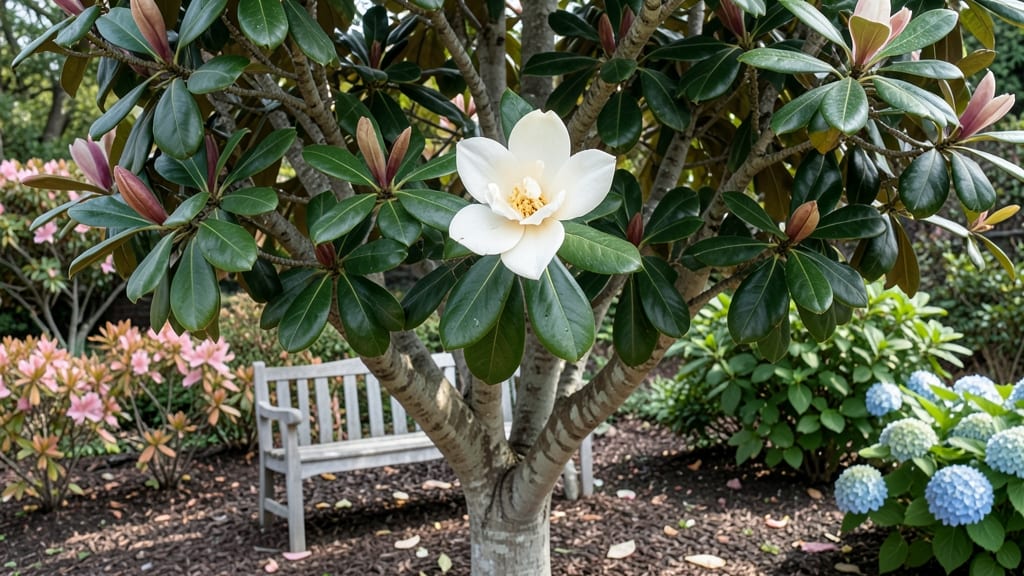
Filoli Gardens in Redwood City, CA, offers breathtaking historic gardens, rare botanical collections, and vibrant seasonal displays, including the famous tulip festival and dazzling holiday lights. The 550-acre estate blends Victorian-era charm with themed gardens, a stunning mansion, and exhibits celebrating horticultural artistry and environmental stewardship.
This 1915 estate blends history and nature seamlessly, where every path reveals something new—whether it's the meticulously curated rose gardens or the conservatory's tropical plants. 🌸 The gardens aren't just beautiful; they're living classrooms showcasing sustainable landscaping techniques that protect native species while delighting visitors year-round.
Spring brings the legendary tulip festival with over 100,000 blooms, while winter transforms the grounds into a magical light display.
What makes Filoli special is how it balances preservation with accessibility. The Victorian mansion offers guided tours revealing the family's horticultural legacy, while the 550-acre landscape includes hidden gems like the Japanese Tea Garden and Wisteria Walk.
Whether you're a plant enthusiast or just love scenic strolls, there's always a reason to return.
💡 In This Article
- Exploring Filoli’s Historic Gardens and Plant Collections
- Seasonal Events and Visitor Tips for Filoli Gardens
Exploring Filoli’s historic gardens and plant collections
Filoli’s garden design is a masterclass in blending Victorian-era horticultural principles with modern conservation practices. The estate’s layout follows the picturesque style popular in the late 19th century, where natural landscapes were enhanced rather than dominated by formal geometry.
This approach created winding paths that guide visitors through layered vistas, much like the English landscape gardens of the time—think Capability Brown’s designs, but with a West Coast twist.
The 550-acre property uses elevation changes and native plantings to frame views of the mansion and surrounding hills, a technique that maximizes visual impact while minimizing environmental disruption. 🌿
The plant collections at Filoli are a living archive of horticultural history, featuring over 1,500 varieties of camellias—some dating back to the 1800s—alongside 200 rose cultivars that bloom from spring through fall. What’s particularly fascinating is how the estate balances heirloom species with native California flora.
For example, the coast live oak (Quercus agrifolia) and toyons (Heteromeles arbutifolia) that dot the landscape aren’t just decorative; they’re critical to local ecosystems, providing habitat for birds and insects.
The conservatory’s tropical plants, like the 100-year-old cycads, offer a glimpse into prehistoric botanical worlds, while the Japanese Tea Garden showcases meticulously pruned maples and azaleas that demonstrate nikko-style gardening techniques.
These elements come together to create a garden that’s both a historical time capsule and a working laboratory for sustainable landscaping.
The conservation focus at Filoli goes beyond aesthetics—it’s rooted in science. The estate partners with the San Francisco Botanical Garden to preserve rare and endangered species, including California native plants like the golden yarrow (Eriophyllum confertiflorum) and coastal sage scrub communities.
One standout example is the Filoli Camellia Collection, which includes varieties that were nearly lost to time. Horticulturists here use micropropagation techniques to clone endangered plants, ensuring their survival for future generations. This approach mirrors the seed banks used in agricultural conservation, but for ornamental and ecologically vital species.
The result? A garden that’s not just beautiful, but actively contributing to biodiversity preservation. 🌱
What most visitors don’t realize is how the garden’s design reflects its Victorian roots in unexpected ways. The Victorian mansion’s original gardens were designed by William Hammond Hall, a renowned landscape architect who believed gardens should tell stories.
At Filoli, this translates to themed areas like the Rhododendron Dell, where acidic soil conditions (pH 4.5-5.5) are carefully maintained to support these delicate plants, or the Wisteria Walk, where vines trained on 150-year-old pergolas create a fragrant canopy.
The estate’s water features, like the Italianate fountain in the front courtyard, serve both decorative and practical purposes—they regulate humidity for tender plants while providing a soothing auditory experience for visitors.
This dual functionality was a hallmark of Victorian garden design, where every element had a purpose, whether practical or symbolic.
The sensory experience of walking through Filoli’s gardens is carefully curated to engage multiple senses. The aroma of camellias in winter (with their jasmine-like scent) contrasts with the honeyed fragrance of roses in summer, while the crunch of gravel paths underfoot adds tactile interest.
Even the soundscapes vary—rustling coastal grasses in the meadows, the gentle murmur of water in the conservatory, and the occasional chirp of birds like the California quail that nest in the shrubbery.
This multisensory approach is no accident; it’s a direct descendant of Victorian pleasure gardens, where the goal was to create an immersive environment that soothed the mind and stimulated the imagination. Today, Filoli achieves this while also educating visitors about sustainable gardening practices and the importance of plant conservation.
One of the most rewarding aspects of exploring Filoli is discovering how the garden evolves with the seasons.
In spring, the tulip festival transforms the meadows into a sea of color, while summer brings the rose gardens to full bloom with varieties like ‘Mister Lincoln’ (a deep red hybrid) and ‘Iceberg’ (a pristine white floribunda). Fall offers the Japanese maples with their fiery foliage, and winter delivers the holiday lights that twinkle among the evergreens.
This seasonal rotation isn’t just for visual appeal—it’s a testament to the perennial planting philosophy used at Filoli, where each plant is chosen for its bloom time, hardiness, and ecological benefits. The result is a garden that’s always changing, yet always harmonious. 🌸