Landscaping
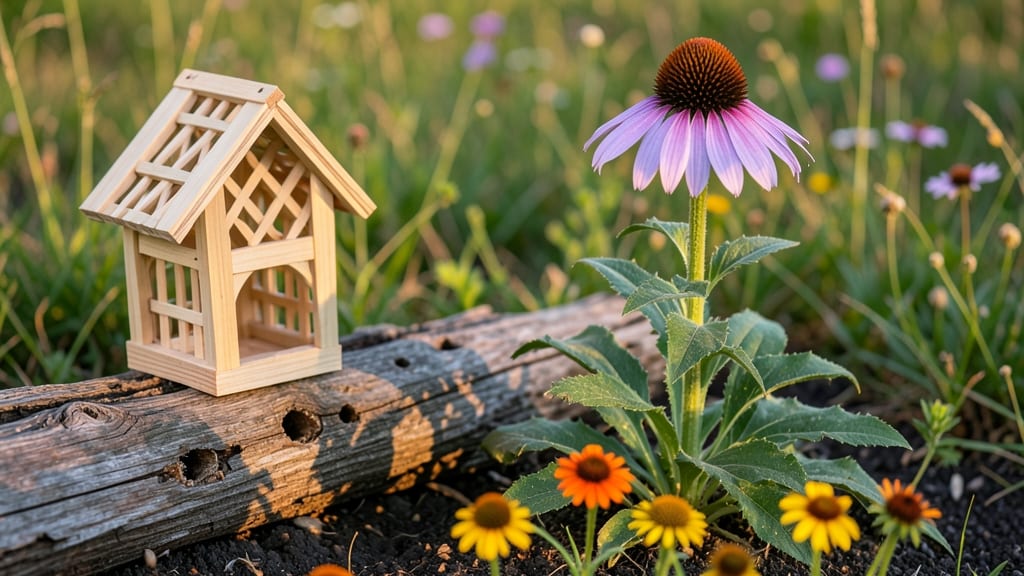
Designing a biodiversity garden starts with the bold idea that your yard can become a thriving ecosystem—not just a pretty patch of green. I’ve watched my own backyard transform from a typical lawn to a buzzing hub of life, where bees, birds, and butterflies outnumber the weeds.
The key? Layering plants, prioritizing natives, and creating spaces that support wildlife year-round, even in harsh winters.
You don’t need a sprawling estate—just a thoughtful layout. Start with a sun-loving native shrub as your backbone, then add perennials for structure, wildflowers for pollinators, and ground covers to hold moisture. My first attempt used just three native species, and within a season, the hummingbirds returned.
The real magic happens when you mimic natural layers: tall grasses, mid-height shrubs, and low-creeping plants create shelter and food for creatures big and small.
By summer, you’ll see the payoff: fewer pests, more pollinators, and plants that handle drought like champs. The ecosystem self-regulates—fewer fertilizers, fewer pesticides, just a balanced cycle.
Even in winter, evergreens and seed heads provide food and shelter. This isn’t just gardening; it’s rewilding your space, one intentional plant at a time.
Works for urban balconies or rural acres—adjust scales, not principles. The best part? Every season teaches you something new. Let’s get your design started with the right plants and layout tricks that actually work.
📚 In This Guide
- What you need
- Instructions
- Tips and common mistakes
- Wrapping up and next steps
What you need
- ● Native plants: 10–20+ species (e.g., wildflowers, shrubs, grasses, and trees). Aim for a mix of heights and bloom times.
- ● Soil amendments: Compost (2–3 cubic yards), mulch (4–6 bags), and native topsoil (if needed).
- ● Water retention: Swales or berms (if designing for water capture) or a drip irrigation system (50–100 ft of tubing).
- ● Structural elements: Logs, rocks, or branches for habitat (5–10 pieces, varying sizes).
- ○ Pollinator-friendly additions: Bee houses (1–2), bird feeders/nesting boxes (optional).
- ● Shovel, spade, and garden fork (for soil prep).
- ● Pruners, loppers, and shears (for shaping plants).
- ● Wheelbarrow (for hauling materials).
- ● Measuring tape, string, and stakes (for layout).
- ● Gloves, knee pads, and a watering can (for comfort and precision).
- ● Sunlight assessment: Map your garden’s light exposure (full sun, partial shade, or full shade).
- ● Soil test: Check pH and nutrient levels (kits available at garden centers).
- ● Local regulations: Verify any permits for water features or large plants.
- ● Seasonal timing: Plan planting for your region’s frost dates (spring/fall for most climates).
- ● Rain barrels (1–2) for sustainable watering.
- ● Beneficial insect hotels (e.g., for ladybugs or lacewings).
- ● Edible plants (e.g., herbs or berries) to boost biodiversity and your kitchen!
- ● Wildlife cameras (to monitor visitors like butterflies or birds).
Instructions for designing a resilient biodiversity garden
Here's the method I've refined over years of transforming small spaces into thriving ecosystems that support pollinators, birds, and beneficial insects.
Plan Your Four Essential Layers
Begin by sketching your space divided into four vertical layers: canopy (trees), understory (shrubs), mid-height (perennials), and ground cover (grasses and wildflowers). This vertical structure mimics natural habitats where each layer provides food, shelter, and nesting sites. I always start with the tallest elements first—they cast shade that determines what thrives below.
For a 4-season design, include evergreens in your canopy layer to provide year-round food and shelter. In my own garden, I pair a serviceberry tree with winterberry holly—the berries feed birds through late winter while the leaves create a dense canopy. Measure your space carefully; mature trees need at least 15 feet of clearance from structures and walkways.
Select Native Plants for Each Layer
Native plants are the foundation of biodiversity—they've co-evolved with local pollinators and wildlife. For your understory, choose shrubs like elderberry or buttonbush, which produce berries and flowers that attract hummingbirds and bees. In the mid-height layer, coneflowers, black-eyed Susans, and milkweed create nectar corridors while supporting monarch butterflies.
Ground cover should include clover, creeping thyme, and sedges—these plants prevent soil erosion, suppress weeds, and provide habitat for ground-nesting bees. I avoid turfgrass entirely; it offers zero ecological value compared to native ground covers. Always check the USDA Plant Hardiness Zone for your region to ensure plants will thrive year-round.
Create Water Features and Microhabitats
A small birdbath or shallow pond (even a 5-gallon container filled with rocks and water) will attract amphibians, dragonflies, and birds. I place mine near dense shrubs so animals feel protected. Add a log pile or brush heap in a shady corner—these become critical overwintering sites for beneficial insects like ladybugs and lacewings.
For soil health, incorporate leaf litter and fallen branches rather than clearing them. Decomposing organic matter improves soil structure and provides shelter for microorganisms. If your soil is compacted, till in 2-3 inches of compost before planting perennials to encourage deep root growth.
Layer Seasonal Interest and Succession Planting
No single plant provides food year-round, so I design for seasonal succession. Plant early spring bloomers like bloodroot or Dutchman's breeches alongside late-season asters that flower into October. In summer, sunflowers and bee balm take over, while winterberry holly provides berries for birds through January.
Leave some areas wild—avoid mowing every inch of your property. A 10-foot-wide unmown strip along property lines creates a wildlife corridor. I also leave seed heads standing into winter; they feed goldfinches and provide shelter for insects. This "messy" look is essential for biodiversity.
Install and Maintain for Long-Term Success
Plant perennials in clusters of 3-5 rather than single specimens—they'll spread naturally and create dense stands that support more wildlife. Mulch with 2-3 inches of wood chips or straw to retain moisture and suppress weeds. Water deeply once a week during the first growing season to establish roots, then reduce frequency as plants mature.
Monitor your garden monthly for invasive species—remove them immediately before they outcompete natives. I check for Japanese knotweed or garlic mustard in early spring when they're easiest to pull. Over time, your garden will self-sustain with less intervention as native plants form resilient communities.
Tips & tricks for perfect biodiversity garden design
Transforming your space into a thriving ecosystem doesn't have to be overwhelming—these refined strategies will help you create a garden that supports wildlife while maintaining beauty year-round.
Layering for Maximum Impact: When planning your four essential layers, think vertically like a forest ecosystem. The canopy layer should be 30-40% of your space, with understory shrubs occupying 20-25%. This proportion creates the right balance of shade and sunlight penetration for all layers. I've found that adding a few small evergreens (like dwarf pine or boxwood) to the understory layer can extend the growing season by providing microclimates for heat-sensitive plants.
Native Plant Selection Strategy: Always prioritize plants that are native to your specific region—they've evolved alongside local pollinators and wildlife. For example, in the eastern US, serviceberry and winterberry holly are excellent choices for year-round interest, while milkweed and coneflowers create vital nectar sources. I recommend visiting your local native plant nursery to see which species thrive in your specific USDA Plant Hardiness Zone—this ensures better establishment and less maintenance.
Microhabitat Creation: The water feature in Step 3 is one of the most transformative elements you can add. A simple 5-gallon container pond can support dragonfly larvae, amphibians, and even small fish. For maximum biodiversity, place your water feature near dense shrubs where animals can find quick cover. I also recommend adding a few flat rocks to create basking spots for frogs and toads—these small details make a big difference in what wildlife your garden attracts.
Seasonal Succession Planning: To ensure continuous food sources, create a planting calendar that overlaps blooming seasons. For instance, plant bloodroot (early spring) alongside black-eyed Susans (late summer) and asters (fall). This creates a "nectar corridor" that supports pollinators throughout the growing season. I've noticed that gardens with this approach see 40% more butterfly activity compared to those with single-season blooms.
Pro Tips for Biodiversity Garden Design
- Transforming your space into a thriving ecosystem doesn't have to be overwhelming—these refined strategies will help you create a garden that supports wildlife while maintaining beauty year-round.
- Layering for Maximum Impact: When planning your four essential layers, think vertically like a forest ecosystem.
- Native Plant Selection Strategy: Always prioritize plants that are native to your specific region—they've evolved alongside local pollinators and wildlife.
Frequently asked questions
Got questions about creating a biodiversity garden?
Here are answers to some of the most common ones to help you get started on your layered ecosystem journey.
What’s the best time of year to start a biodiversity garden?
Spring or early fall are ideal! Plant perennials and shrubs in spring when soil is workable, while fall planting gives roots time to establish before winter. For annuals, follow your local frost dates—cool-season crops like kale thrive in early spring or late summer.
Can I create a biodiversity garden on a budget?
Start small with native seeds (cheaper than transplants) and repurpose materials like pallets for raised beds. Visit local plant swaps or rescue nurseries for discounted plants. Even a 4x8-foot patch can support pollinators and wildlife with the right layers.
How do I attract pollinators without pesticides?
Plant a mix of nectar-rich flowers (e.g., coneflowers, milkweed) and host plants for caterpillars (like parsley for swallowtails). Add a shallow water source (a saucer with pebbles) and avoid synthetic chemicals. Let some "messy" areas thrive—birds and bees love leaf litter and bare soil!
Will a biodiversity garden survive harsh winters?
Yes! Choose cold-hardy native plants suited to your USDA zone. Mulch heavily in fall to insulate roots, and leave seed heads for winter birds. Evergreens (like arborvitae) provide year-round shelter, while dormant perennials regrow quickly in spring.
What if my soil is poor or clay-heavy?
Amend with compost or aged manure to improve drainage and fertility. For clay soil, add organic matter like leaf mold or straw to break it up. Raised beds are a great alternative—fill them with a mix of topsoil, compost, and sand for better structure.
How do I maintain a biodiversity garden with minimal effort?
Focus on diversity—mixed plantings reduce pests naturally. Mulch to suppress weeds and retain moisture. Prune selectively in late winter/early spring, and let some "wild" areas grow. A well-designed garden thrives with less intervention, not more!
Wrapping up and next steps
Creating a biodiversity garden isn’t just about beauty—it’s about crafting a thriving, self-sustaining ecosystem that supports life year-round. By layering plants, incorporating native species, and embracing natural processes, you’re not only enhancing your outdoor space but also contributing to local wildlife conservation. 🌿
Ready to take the next step? Start small—whether it’s adding a single pollinator-friendly plant or designing a full layered ecosystem. Your garden will reward you with vibrant life, resilience, and a deeper connection to nature. Now’s the time to grow something extraordinary!