
Featured
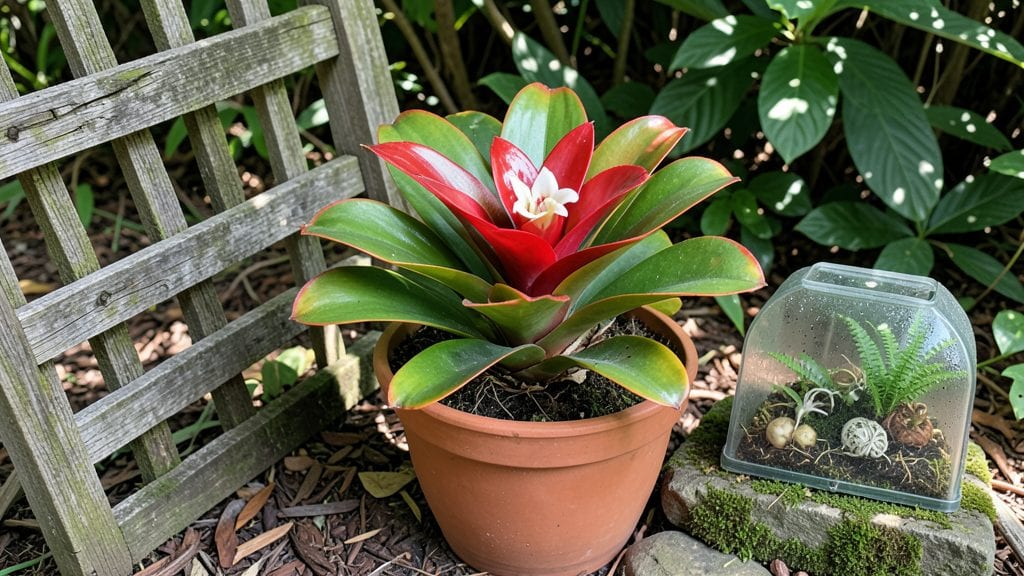
The Curitiba Botanical Garden spans 42 hectares and displays over 7,000 plant species, including the renowned Japanese Garden, a vast orchid collection, and breathtaking seasonal blooms like the Cattleya orchids. Its meticulously designed trails and themed gardens attract nature enthusiasts and photographers worldwide.
The Curitiba Botanical Garden isn't just a green space—it's a living museum where you can walk through ecosystems from around the globe in a single visit. 🌿 The Japanese Garden features traditional rock arrangements and koi ponds, while the Orchid Collection houses rare hybrids that bloom year-round.
What sets this garden apart is its blend of conservation and beauty: many exhibits focus on preserving native Brazilian flora alongside international species. Whether you're chasing Instagram-worthy blooms or learning about sustainable horticulture, there's something for every type of visitor.
Beyond the main attractions, the garden hides secret trails like the Aromatic Garden, where you can sniff herbs and spices used in traditional Brazilian cuisine. 🌸 Visitors often overlook the Fern House, a humidity-controlled greenhouse that feels like stepping into a prehistoric forest.
Pro tip: Weekday mornings are the best time to avoid crowds, and bringing a light jacket is wise—even in summer, the shaded areas stay cool.
💡 In This Article
- Curitiba Botanical Garden’s Unique Plant Collections
- Hidden Trails and Visitor Tips for Curitiba Botanical Garden
Curitiba botanical garden’s unique plant collections
Here's what makes the garden's collections truly extraordinary: its orchid collection houses over 600 species, including rare hybrids like the Cattleya labiata, whose flowers can reach 15 centimeters in diameter.
These orchids thrive in the garden's humidity-controlled glasshouses, where temperatures stay between 20-25°C and moisture levels hover around 70-80%.
The key to their cultivation lies in mimicking their natural tropical habitats—orchids here are grown on cork bark substrates rather than soil, allowing their roots to breathe while absorbing exactly the right amount of water.
The garden's bromeliad collection is equally impressive, featuring over 300 species that showcase nature's diversity in water storage.
Some bromeliads, like the Neoregelia carolinae, develop vibrant red rosettes that hold water in their centers, creating miniature ecosystems where insects and even small frogs find shelter. 🌿 These plants demonstrate remarkable adaptations—some can survive droughts by storing water for months, while others thrive in the garden's open-air tropical section, where they receive filtered sunlight through the dense canopy.
The contrast between the delicate Tillandsia (air plants) and the robust Aechmea species creates a visual feast for visitors.
The conservation efforts behind these collections go beyond mere display. The garden's botanists work with in situ conservation programs to protect endangered species like the Brazilian ironwood tree, whose population has declined by 40% in the last decade due to deforestation.
Through tissue culture techniques, they've successfully propagated rare orchids that would otherwise face extinction, creating genetic backups stored in the garden's seed bank. This approach combines traditional horticulture with modern biotechnology—a perfect example of how botanical gardens serve as both educational centers and biodiversity safeguards.
Seasonal highlights add another layer of magic to the collections. During spring and autumn, the garden transforms with displays of Iris varieties, including the Iris xiphioides, whose sword-shaped leaves and lavender blooms create striking contrasts against the garden's lush greenery.
The Japanese Garden's cherry trees bloom in September, while the autumn crocus (Colchicum autumnale) appears in October, offering visitors a year-round parade of colors.
These seasonal changes aren't just beautiful—they reflect the garden's commitment to showcasing plants in their natural flowering cycles, rather than forcing unnatural blooms through artificial lighting.
The Fern House represents one of the most technically impressive exhibits, where 120 species of ferns thrive in an environment that mimics their native rainforest habitats.
Maintaining this ecosystem requires precise control of humidity (85-95%), temperature (22-26°C), and light levels (10,000-20,000 lux)—conditions that would be impossible to replicate outdoors in Curitiba's climate.
Visitors often overlook this greenhouse, but it's here where you'll find some of the world's oldest plant forms, including the Osmunda regalis (royal fern), which has remained virtually unchanged for over 150 million years. The delicate lace-like fronds create an almost surreal atmosphere, perfect for photography enthusiasts.
What most visitors don't realize is how these collections interact with the local ecosystem. The garden's native Brazilian flora section features species like the Brazilian pepper tree (Schinus terebinthifolius), which plays a crucial role in supporting local wildlife.
Its berries are a key food source for birds and mammals, while its dense foliage provides shelter for insects and amphibians.
By studying these plants in their curated environments, researchers gain insights that help protect them in the wild—a perfect example of how botanical gardens bridge the gap between conservation and education. 🌱