
Blooming
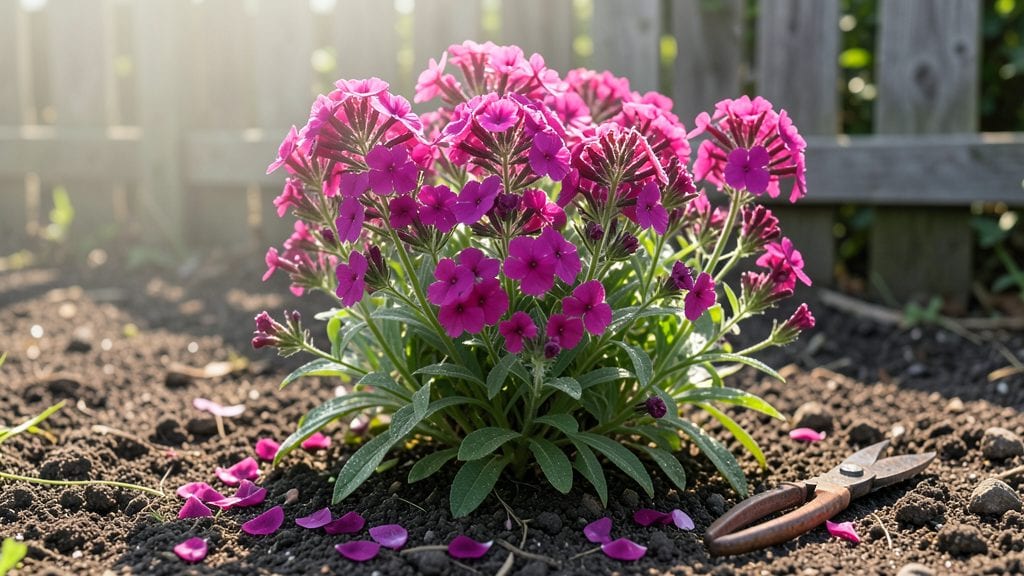
Garden phlox do bloom all summer long, starting in early summer and continuing through early fall, with their most vibrant display between June and August. Late-blooming varieties can even extend their show into September with attentive care.
Garden phlox thrive as summer's signature bloomers, offering a nonstop floral display when given the right conditions. 🌸 The key to their prolonged beauty lies in deadheading spent blooms—this simple step encourages new flower production and prevents the plant from redirecting energy to seed development.
I've found that phlox respond beautifully to consistent moisture and well-drained soil, which helps maintain their vigor throughout the heat of summer.
What many gardeners don't realize is that phlox varieties actually have distinct bloom windows. Tall garden phlox tend to peak in July, while border phlox often shine brightest in June and September. The secret to maximizing their seasonal performance is understanding your specific variety's natural tendencies and adjusting care accordingly.
💡 In This Article
- Phlox Flowering Seasons by Variety Types
- Pro Tips for Prolonging Phlox Blooms All Season
Phlox flowering seasons by variety types
Tall garden phlox (Phlox paniculata) typically bloom from late June through August, with peak color intensity around mid-July. These varieties reach heights of 3-5 feet and produce dense clusters of fragrant flowers in shades of pink, purple, white, and red.
Their blooming window aligns perfectly with summer's heat, but in cooler climates (USDA zones 3-5), they may start slightly earlier in June and extend into early September.
Border phlox (Phlox subulata) are the early spring bloomers of the group, often flowering from April through June. These low-growing, mat-forming plants create vibrant ground covers with star-shaped blooms in purple, pink, or white.
While they don't extend into summer, their early show makes them perfect for spring gardens. In warmer zones (6-10), they may rebloom briefly in fall after summer dormancy, though this is less reliable.
Woodland phlox (Phlox divaricata) have the most variable bloom timing, typically flowering from April to June but sometimes producing scattered blooms into July in moist, shaded conditions. Their delicate, nodding flowers thrive in partial shade and are less affected by summer heat than their sun-loving cousins.
In USDA zone 7 and warmer, they may produce a second, lighter flush of blooms in fall.
Sunlight exposure dramatically affects bloom duration. Tall garden phlox need full sun (6-8 hours daily) to produce their best displays, while border phlox tolerate partial shade (3-6 hours sun) and woodland phlox thrive in dappled shade (2-4 hours sun).
Too much shade reduces flowering intensity, while excessive heat without proper watering can cause buds to drop prematurely. In my zone 6 garden, I've seen tall phlox bloom 3-4 weeks longer when given afternoon shade during July's peak heat.
Climate zones shift bloom timing by 2-4 weeks at the extremes. In colder zones (3-4), phlox often bloom 2 weeks later than in warmer zones (8-10) due to slower spring warming. The opposite occurs in fall—southern phlox may finish blooming by early September, while northern plants might continue until frost.
This geographic variation explains why some gardeners see phlox blooming "all summer" while others get just a 6-week window.
Here's what's actually happening biologically: Phlox are short-day plants, meaning their flowering is triggered by decreasing daylight hours. This explains why late summer varieties bloom later in the season—they respond to the gradual lengthening of nights after the summer solstice.
The key factor is the balance between daylight exposure and temperature thresholds (typically 60-75°F for optimal blooming).