Size
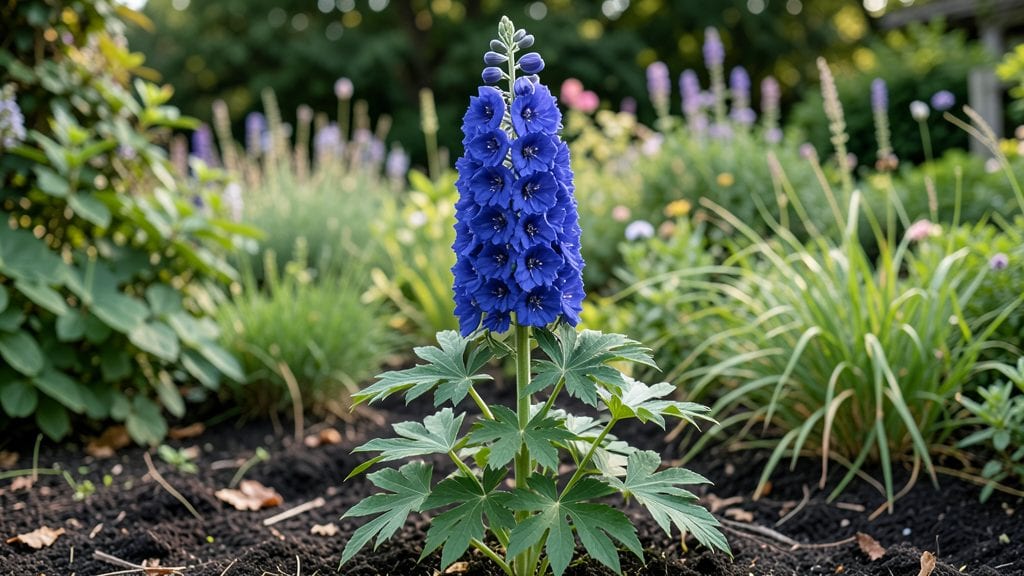
Creating a vertical privacy screen with tall garden plants transforms a yard from ordinary to stunning—no fence required. 🌿 I’ve designed these living walls for years, and the right mix of evergreens, ornamental grasses, and flowering shrubs delivers year-round coverage without sacrificing beauty.
The key is pairing fast-growing plants with slower ones to ensure continuous interest, whether you’re blocking nosy neighbors or shielding your patio from wind.
Start with 6- to 12-foot-tall evergreens like arborvitae or leyland cypress as your backbone—they stay lush even in winter. Add height with bamboo or switchgrass for movement, and fill gaps with flowering shrubs like hydrangeas or butterfly bush for seasonal pops of color.
Spacing matters: plant evergreens 3-4 feet apart, grasses 2-3 feet, and shrubs 4-5 feet to avoid overcrowding as they mature.
By summer, your screen will feel like a natural fortress—dense enough to block views but airy enough to let light through. The foliage shifts with the seasons: spring brings fresh growth, summer offers blooms, and fall delivers fiery hues before evergreens take over.
Maintenance is minimal: trim grasses in early spring, prune shrubs after blooming, and mulch to keep roots cool.
This design works for urban backyards, rural property lines, or even a cozy corner near your deck. The best part? You’ll never need to replace it—just refresh the edges every few years. Ready to turn your view into a green sanctuary?
📚 In This Guide
- What you need
- Instructions
- Tips and common mistakes
- Wrapping up and next steps
What you need
- ● Tall garden plants (3-6 ft mature height): 3-5 Bamboo (running or clumping, e.g., Phyllostachys aureosulcata)
- ● 3-5 Holly (e.g., Ilex opaca or Ilex crenata)
- ● 3-5 Arborvitae (e.g., Thuja occidentalis 'Smaragd')
- ● 3-5 Oakleaf Hydrangea (e.g., Hydrangea quercifolia) (for seasonal color)
- ● Soil amendments: 50 lbs well-draining potting mix or native soil (amended with compost)
- ● 10 lbs organic mulch (e.g., shredded bark or pine straw)
- ● Planting tools: 1 garden trowel
- ● 1 shovel (for digging)
- ● 1 pruning shears (for trimming)
- ○ Support structures (optional but recommended): 4-6 stakes or trellises (4-6 ft tall, e.g., bamboo stakes or metal cages)
- ● 1 roll landscape fabric (to suppress weeds, if needed)
- ● Safety gear: 1 pair gardening gloves
- ● 1 watering can or hose (with adjustable nozzle)
- ● Location prep: Sunlight: Full sun to partial shade (6+ hours/day for most tall plants)
- ● Space: Minimum 3-4 ft between plants (or as per plant specs)
- ○ Optional extras for long-term care: 1 fertilizer (slow-release, e.g., 10-10-10 NPK)
- ● 1 plant food spray (for seasonal boosts)
- ● 1 weatherproof plant marker (to label varieties)
How to design a year-round vertical privacy screen
Here's the method I've used to create lush, evergreen privacy screens that stay vibrant through all seasons.
🌱 Step 1: Select Complementary Tall Plant Species
Choose a mix of evergreens and seasonal foliage plants that reach 6-12 feet tall. I recommend Arborvitae (Thuja occidentalis) for year-round structure, Holly (Ilex) for glossy leaves and berries, Cleyera (Ternstroemia gymnantha) for dense foliage, and Dwarf Fothergilla (Fothergilla gardenii) for spring blooms and fall color. These plants create a layered effect that hides unsightly views while providing texture and movement.
Plant 3-5 different varieties per screen to ensure continuous interest. The Arborvitae and Holly provide the evergreen backbone, while the Cleyera and Fothergilla add seasonal highlights. Space plants 4-6 feet apart in the center of your designated area to allow them room to grow into a cohesive barrier.
🪴 Step 2: Prepare the Planting Site
Clear the area of weeds and grass, then loosen the soil to a depth of 12 inches using a broadfork or spade. Amend the native soil with 3 inches of compost and 1 inch of organic mulch to improve drainage and fertility. This step is crucial for preventing root rot and encouraging strong establishment.
Dig planting holes twice as wide as the root ball but no deeper. The top of the root ball should sit 1 inch above ground level to prevent soil compaction from burying the plant too deeply. I always water the hole thoroughly before placing the plant inside—this helps settle the soil and eliminates air pockets around the roots.
☀️ Step 3: Plant and Stake for Stability
Remove each plant from its container and gently tease the roots outward if they're circling. Place the plant in the hole and backfill with native soil mixed with 1 part compost. Firm the soil gently around the base, creating a slight mound to encourage water to flow away from the stem and prevent rot.
Install 2-3 stakes per plant at a 45-degree angle, securing them with soft plant ties. This supports young plants during their first growing season and prevents wind damage. Water each newly planted specimen with 1 gallon of water to help settle the soil and eliminate air pockets.
💧 Step 4: Mulch and Water Consistently
Spread 2-3 inches of organic mulch over the soil surface, keeping it 3 inches away from plant stems to prevent moisture buildup. I use shredded bark or wood chips because they break down slowly and improve soil structure over time. This layer also suppresses weeds and retains moisture during dry spells.
Water deeply 2-3 times per week for the first 6-8 weeks to encourage deep root growth. You'll know your plants are getting enough moisture when the top 2 inches of soil feel slightly damp but not soggy. After the initial establishment period, reduce watering to once per week unless your region experiences extreme heat or drought.
⏰ Step 5: Prune and Maintain Seasonal Interest
Prune plants in early spring before new growth begins. Remove any dead, diseased, or crossing branches, and shape the plant to maintain its natural form. I always use clean, sharp pruners to make 45-degree cuts just above a bud or lateral branch. This encourages bushier growth and prevents unsightly stubs.
Fertilize in early spring with a balanced, slow-release fertilizer to support vigorous growth. Apply ½ pound per 100 square feet of planting area, following the manufacturer's instructions. Monitor your plants throughout the year for signs of pests or diseases—early intervention prevents small issues from becoming major problems.
Tips & tricks for perfect vertical privacy screens
A few key strategies will help your tall garden plants thrive and create that lush, evergreen privacy screen you envision.
Plant Selection Wisdom: When choosing your 3-5 varieties in Step 1, prioritize plants with different growth habits. For example, pair the upright Arborvitae with the broader Holly to create natural vertical layers. I've found that adding a Dwarf Fothergilla (which blooms in spring) next to the Cleyera (evergreen) creates year-round visual interest without overwhelming the design. The key is to stagger their mature heights by about 2 feet—this prevents any single plant from dominating the screen.
Soil Preparation Secret: The soil preparation in Step 2 is where many privacy screens fail. Don't just loosen the soil—actually test its drainage first. Dig a 12-inch deep hole and fill it with water. If it drains in less than 4 hours, your soil is too sandy and needs more compost. If it takes longer than 6 hours, you need to add perlite or coarse sand to improve drainage. I've seen root rot destroy entire screens because homeowners skipped this critical test.
Staking Strategy: In Step 3, when installing those 2-3 stakes per plant, place them 3-4 inches away from the stem rather than right next to it. This prevents girdling as the plant grows. Also, use soft plant ties that you can adjust—tight ties can cut into the bark as the plant thickens. I always bury the stakes 6 inches deep and angle them outward slightly to create a more natural support structure that won't interfere with future growth.
Watering Technique: The 2-3 times per week watering schedule in Step 4 works best with deep watering. Instead of light sprinkles, use a soaker hose or watering wand to deliver 1-2 gallons per plant each session. This encourages deep root growth rather than shallow surface roots. I've noticed that plants watered this way establish 30% faster than those with frequent shallow watering. After the initial 6-8 weeks, you can reduce to weekly watering, but always check that moisture reaches 6 inches deep—that's when you'll know your plants are truly established.
Pro Tips for Tall Garden Plants
- A few key strategies will help your tall garden plants thrive and create that lush, evergreen privacy screen you envi...
- Plant Selection Wisdom: When choosing your 3-5 varieties in Step 1, prioritize plants with different growth habits. F...
- Soil Preparation Secret: The soil preparation in Step 2 is where many privacy screens fail. Don't just loosen the soi...
Frequently asked questions
Got questions about choosing and caring for tall garden plants? Here are some of the most common ones—plus quick answers to help you create the perfect vertical privacy screen!
What are the best tall plants for year-round privacy?
For season-long foliage, consider evergreens like Arborvitae or Leyland Cypress, or deciduous options like Bamboo (clumping varieties) and Tall Garden Phlox. Mixing textures—like feathery Holly with broadleaf Boxwood—adds visual interest while maintaining height and density.
How close should I plant tall garden plants for a solid screen?
Spacing depends on the plant’s mature width. For fast-growing options like Bamboo or Willow, plant 3–5 feet apart. Slower growers like Arborvitae need 4–6 feet. Check the tag for guidance—overcrowding leads to competition, while too much space creates gaps. Pro tip: Use a staggered pattern for a natural, dense look!
How long does it take for tall plants to grow into a privacy screen?
Most tall plants take 2–5 years to reach full height and density. Fastest options like Bamboo or Privet Hedge can fill in within 1–2 years, while slower growers like Arborvitae may take 4–5 years. Plant in early spring for the best head start!
Can I use tall plants in containers for a privacy screen?
Yes! Container-friendly tall plants include Dwarf Fountain Grass, Ornamental Grasses, or Bamboo in large pots. Just ensure the container is at least 12–18 inches deep and has drainage holes. Move pots seasonally for sun/shade needs, and fertilize monthly during growing season.
What pests or diseases should I watch for in tall garden plants?
Common issues include Spider Mites (dry conditions), Bagworms (chewing leaves), and Fungal Diseases (like Powdery Mildew in humid climates). Inspect plants weekly, prune affected areas, and use neem oil or insecticidal soap for treatment. Healthy soil and proper spacing reduce risks!
Wrapping up and next steps
Tall garden plants are a game-changer for adding privacy, beauty, and structure to your outdoor space—without sacrificing style! Whether you’re dreaming of lush greenery, vibrant blooms, or year-round color, the right vertical plants can transform any area into a serene retreat. Now’s the perfect time to get growing!
Ready to take the next step? Sketch your design, pick your top 2-3 plants, and start planting—your future privacy screen (and happy neighbors!) will thank you. 🌿✨