Companion Plants
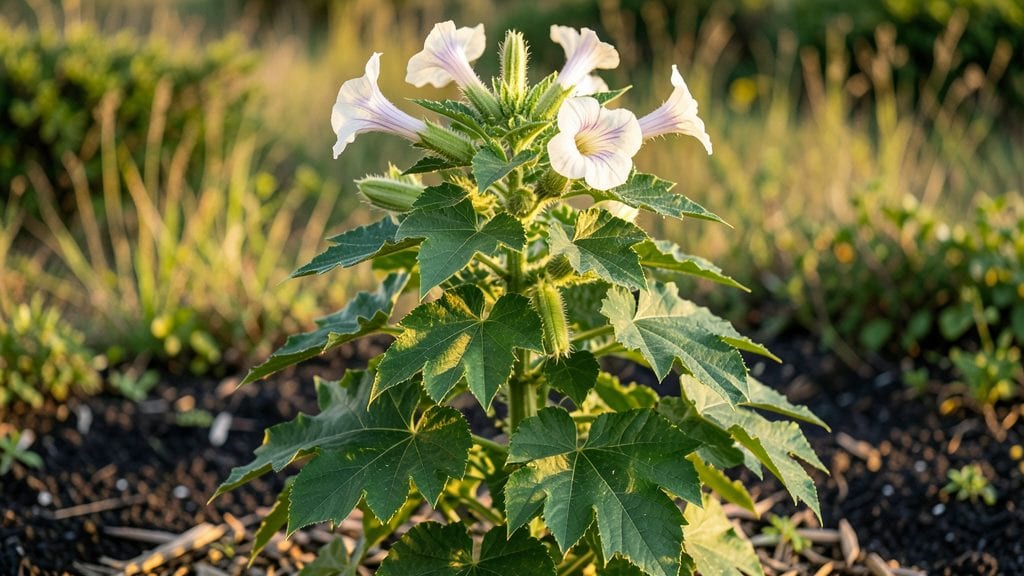
Your garden might harbor some of the most deadly garden plants—foxglove, oleander, or even poison ivy—all of which repel pests naturally. 🌿 I’ve learned the hard way that some of nature’s best pest barriers come with serious risks, especially around kids and pets.
The key is knowing which plants to avoid and what safer alternatives work just as well.
Most toxic plants share a few telltale signs: glossy leaves, clusters of bell-shaped flowers, or milky sap. Foxglove’s dramatic spikes are stunning but deadly if ingested, while oleander’s shiny foliage hides cardiac toxins. The good news? There are non-toxic alternatives like marigolds or lavender that deter pests without the danger.
You’ll walk away knowing how to spot these plants in your yard, how to handle them safely if they’re already there, and which pest-repelling plants are completely safe. Prevention starts with awareness—so let’s keep your garden thriving without the risks.
Whether you’re dealing with an existing problem or just want to plan smarter, these tips will help you garden confidently. The goal is a pest-free yard that’s also safe for everyone who enjoys it.
📚 In This Guide
- What you need
- Instructions
- Tips and common mistakes
- Wrapping up and next steps
What you need
- ● Deadly garden plants (main stars!): 5–10 Castor bean (Ricinus communis) plants (for bold, toxic foliage)
- ● 3–5 Foxglove (Digitalis purpurea) plants (for heart-stopping beauty)
- ● 2–4 Oleander (Nerium oleander) shrubs (for year-round pest deterrence)
- ● 1–2 Larkspur (Consolida ajacis) clusters (for delicate but deadly blooms)
- ● 1 Monkshood (Aconitum napellus) plant (for striking blue spikes)
- ● Companion plants (safe but effective allies): 10+ Marigolds (Tagetes spp.) (for pest confusion and color)
- ● 5–7 Garlic chives (Allium tuberosum) (for sulfuric scent)
- ● 3–4 Basil (Ocimum basilicum) plants (for dual culinary/pest benefits)
- ● Basic gardening tools: 1 pair gardening gloves (nitrile or leather, for protection)
- ● 1 hand trowel (for planting small roots)
- ● 1 garden fork (for loosening soil)
- ● 1 pruners (sharp, sterilized for trimming)
- ○ Optional (but helpful) extras: 1 wheelbarrow or bucket (for transporting soil/plants)
- ● 1 pH testing kit (to check soil acidity, ideal: 6.0–7.0)
- ● 1 organic mulch (straw or wood chips, 2–3 inches thick)
- ● 1 spray bottle with water (for post-planting hydration)
- ● ✅ Location: Full sun to partial shade (varies by plant; check tags!)
- ● ✅ Soil: Well-draining, slightly acidic to neutral (amend with compost if needed)
- ● ✅ Safety: Wear gloves and long sleeves when handling all plants listed
- ● ✅ Knowledge: Research local regulations—some plants (like oleander) may be restricted in your area
Step-by-Step guide for planting pest-repelling barriers
Transform your garden into a chemical-free fortress with these natural pest deterrents.
🌱 Step 1: Select Your Deadly Defense Plants
Choose from four proven pest-repelling plants: lavender (deters moths and mosquitoes), marigolds (ward off nematodes and aphids), basil (keeps flies and mosquitoes away), and garlic chives (repels aphids and Japanese beetles). Each plant serves a unique purpose, so I recommend planting all four around your garden's perimeter for maximum protection.
Start with healthy nursery plants or grow from seed if you prefer. If using seeds, plant them 6-8 weeks before your last frost date—this gives them time to establish strong roots before pests arrive. For nursery plants, check that they're free of pests or disease before bringing them home.
🪴 Step 2: Prepare Planting Spots Strategically
Plant your pest-repelling barrier 12-18 inches away from the plants you want to protect. For example, place marigolds near tomatoes to deter nematodes, or tuck lavender near your patio to keep mosquitoes away. Avoid planting them too close—competition for nutrients can weaken both plants.
Dig holes twice as wide as the root ball and just as deep. Loosen the soil in the hole with your fingers to encourage root spread. If your soil is heavy clay or sandy, mix in 2-3 inches of compost from the materials list to improve drainage and fertility. This ensures your plants establish quickly and stay strong against pests.
☀️ Step 3: Plant and Water for Immediate Protection
Gently remove the plant from its container and place it in the hole, ensuring the top of the root ball sits level with the soil surface. Fill in around the roots with soil, pressing lightly to remove air pockets. Water deeply right after planting to settle the soil and encourage root growth.
Use 1-2 gallons of water per plant to soak the soil to a depth of 6-8 inches. This initial watering helps wash away any transplant shock and signals the plant to start growing. Mulch around the base with 1-2 inches of organic mulch to retain moisture and suppress weeds—just keep it 2 inches away from the stem to prevent rot.
🌿 Step 4: Maintain Plants for Long-Term Pest Control
Water your pest-repelling plants 1-2 times per week, depending on rainfall, to keep the soil evenly moist but not soggy. Overwatering can weaken the plants and make them more susceptible to disease, which defeats the purpose of your natural barrier. Check soil moisture by sticking your finger 1 inch deep—if it feels dry, it's time to water.
Fertilize lightly every 4-6 weeks with a balanced, organic fertilizer to keep plants healthy and vigorous. Deadhead spent flowers regularly to encourage continuous blooming—marigolds and lavender produce oils in their flowers that repel pests, so more flowers mean stronger protection. Prune leggy growth to maintain a compact, bushy shape that maximizes pest-deterrent coverage.
✂️ Step 5: Expand and Rotate for Year-Round Defense
After your first season, assess which plants thrived and which struggled. Replace any weak or diseased plants with fresh starts to maintain a strong barrier. Consider adding rosemary or lemongrass to your rotation—both are excellent mosquito repellents and thrive in warm climates.
Rotate your planting layout slightly each year to prevent soil depletion and keep pests guessing. For example, if you planted marigolds near your vegetable garden last year, try lavender this year. This strategy confuses pests and ensures your garden stays protected season after season without relying on chemicals.
Tips & tricks for perfect pest-repelling garden barriers
Here's what I've learned from years of testing these natural pest defenses—these tricks will help your garden stay pest-free for seasons to come.
Plant Placement Strategy: The 12-18 inch spacing in Step 2 isn't arbitrary—it creates an invisible shield that pests can't penetrate. For maximum protection, create a two-row barrier: plant your main pest-repellents (like marigolds) in the first row, then a second row of garlic chives or basil 12 inches behind them. This layered approach confuses pests and creates a stronger deterrent effect.
Soil Preparation Matters: Don't skip the 2-3 inches of compost when amending heavy soil in Step 2. This isn't just about fertility—compost improves soil structure, helping roots spread more efficiently. For sandy soils, add an extra inch of compost to help retain moisture. I've seen plants establish twice as fast when planted in properly amended soil.
Watering Wisdom: The 1-2 gallons per plant in Step 3 should create a saturated soil zone down to 6-8 inches. To check, stick a screwdriver into the soil after watering—it should go in easily without resistance. This deep watering encourages roots to grow downward where they're safer from surface-dwelling pests. Water in the morning to give foliage time to dry before evening.
Maintenance Shortcuts: Instead of fertilizing every 4-6 weeks in Step 4, try a slow-release organic fertilizer at planting time. This gives your plants a steady nutrient supply without the maintenance. For deadheading, I use clean scissors to snip just above a set of leaves—this encourages bushier growth and more flowers, which means stronger pest-repelling oils.
Pro Tips for Deadly Garden Plants
- Here's what I've learned from years of testing these natural pest defenses—these tricks will help your garden stay pest-free for seasons to come.
- Plant Placement Strategy: The 12-18 inch spacing in Step 2 isn't arbitrary—it creates an invisible shield that pests can't penetrate.
- Soil Preparation Matters: Don't skip the 2-3 inches of compost when amending heavy soil in Step 2.
Frequently asked questions
Got questions about using deadly garden plants to protect your yard naturally?
Here are some common concerns—and straightforward answers—to help you navigate this topic with confidence.
Which deadly plants are the safest to use around pets and kids?
Opt for non-toxic alternatives like marigolds, lavender, or garlic if you have curious pets or little ones. These repel pests effectively without posing risks. Always research a plant’s toxicity before planting—some "deadly" varieties (like foxglove) are best kept in containers or behind fences.
How long does it take for these plants to start repelling pests?
Most pest-repelling plants show results within 2–4 weeks of planting, as their scent and compounds deter insects. Fast-acting options like basil or mint may work in 1–2 weeks, while deeper-rooted plants (e.g., wormwood) take longer to establish. Consistency is key—replace wilted foliage promptly to maintain potency.
Can I combine deadly plants with chemical pesticides?
While mixing methods isn’t recommended, you can rotate strategies for stubborn pests. For example, use neem oil sprays (low-toxicity) alongside plants like chrysanthemums for a layered defense. Avoid harsh chemicals near your repellent plants—they can kill the beneficial compounds that make them effective.
What’s the best way to maintain these plants for long-term pest control?
Keep plants healthy and thriving with these tips:
- Water consistently (most repellent plants hate soggy soil).
- Prune regularly to encourage dense growth (pests target weak plants).
- Rotate crops annually to prevent pest adaptation.
- Harvest herbs (like rosemary or thyme) to stimulate new growth.
Why aren’t my deadly plants working? Troubleshooting tips.
If pests ignore your plants, check these fixes:
Issue
Solution
Plants are too young or sparse.
Add more foliage or transplant mature plants.
Pests are already established (e.g., aphids).
Use a soapy water spray first, then reinforce with plants.
Wrong plant for your pest (e.g., deer vs. rabbits).
Research target-specific repellents (e.g., daffodils for squirrels).
Pro tip: Place plants near high-risk areas (e.g., mint by the door for ants, marigolds around tomatoes).
Wrapping up and next steps
Discovering the power of deadly garden plants isn’t just about pest control—it’s about creating a thriving, chemical-free ecosystem! From foxglove to oleander, these natural guardians offer a safer, more sustainable way to protect your garden.
Whether you're a seasoned gardener or just starting, these plants prove that beauty and defense can go hand in hand.
Ready to transform your garden? Start by researching the best companion plants for your region and soil type. Plant a few this season, observe their impact, and watch your garden flourish—naturally! 🌱✨